
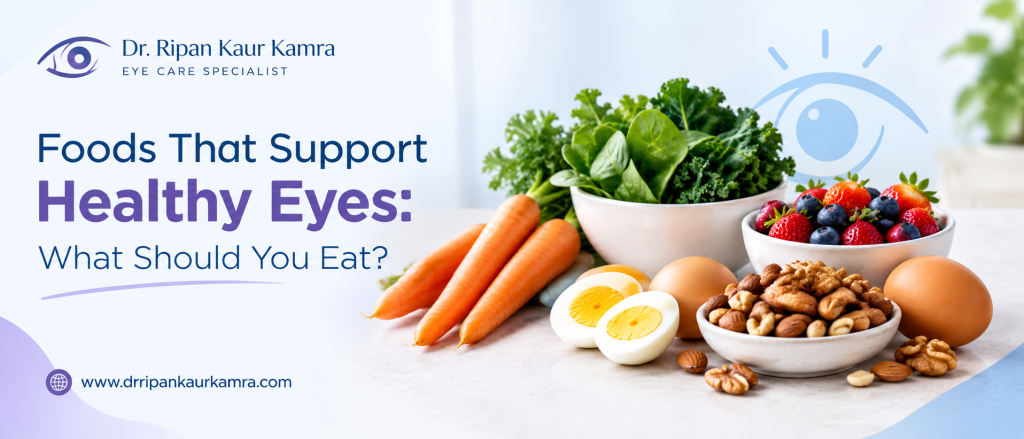
Healthy eyes need more than regular eye check-ups and good daily habits. Your diet also plays an important role in supporting normal vision and maintaining the tissues that help your eyes function properly. Including a variety of vegetables, fruits, whole grains, nuts, seeds, and suitable protein sources can help provide the nutrients your eyes need. If you want to learn about the best foods for eye health, the good news is that many options are already available in an everyday Indian diet. Carrots, spinach, amla, citrus fruits, eggs, almonds, lentils, and fish can all contribute useful nutrients as part of a balanced eating pattern. However, eating one particular food cannot guarantee perfect eyesight or prevent every eye disease. Nutrition works alongside other healthy habits, appropriate medical care, and regular eye examinations. In this guide, you will learn which eye healthy foods to include in your diet, what vitamins for eyes do, how to plan balanced meals, and when professional eye care is important.
Why Is Nutrition Important for Eye Health?
Your eyes depend on several vitamins, minerals, antioxidants, and healthy fats to function normally. These nutrients support different parts of the visual system, including the retina, the light-sensitive tissue at the back of the eye, and the cells that maintain healthy eye tissues. A varied diet can help supply these nutrients and support overall health. Healthy eating may also help manage conditions such as high blood pressure and diabetes, which can affect vision and eye health over time. According to the Dr. Ripan kaur , eating healthy foods, including dark leafy green vegetables and fish containing omega-3 fatty acids, is one of the recommended habits for maintaining healthy vision.
Read here: Dry Eye Causes, Symptoms and Treatment
Can Food Improve Your Eyesight?
Foods provide nutrients that support normal eye function, but they do not reliably correct refractive errors such as myopia, hyperopia, or astigmatism. They also cannot remove a cataract or replace treatment for glaucoma, retinal disease, or other eye conditions. If your vision is blurry, your eyes hurt, or you notice a change in how well you see, arrange an eye examination instead of relying on dietary changes alone.
10 Best Foods for Eye Health
The following foods provide a range of nutrients that support general health and normal eye function. You can combine them according to your dietary preferences, availability, and nutritional needs.
1. Carrots: A Source of Beta-Carotene
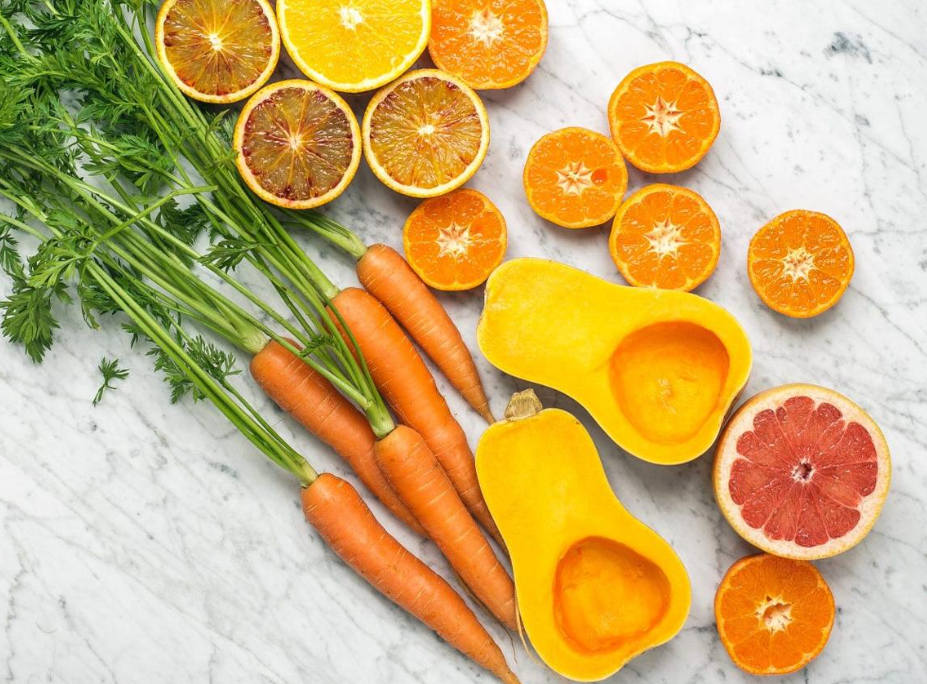
Carrots are among the best-known foods for eye health because they contain beta-carotene, which the body can convert into vitamin A. Vitamin A is essential for normal vision, particularly in low-light conditions. It also helps maintain healthy surfaces of the eyes. How to include carrots in your diet:
- Add grated carrots to salads.
- Include cooked carrots in mixed vegetables.
- Prepare carrot soup.
- Add carrots to vegetable pulao or other balanced meals.
Carrots are useful, but eating extra carrots will not automatically improve eyesight beyond what adequate nutrition supports. A balanced diet provides many other important nutrients as well.
2. Spinach and Other Leafy Green Vegetables
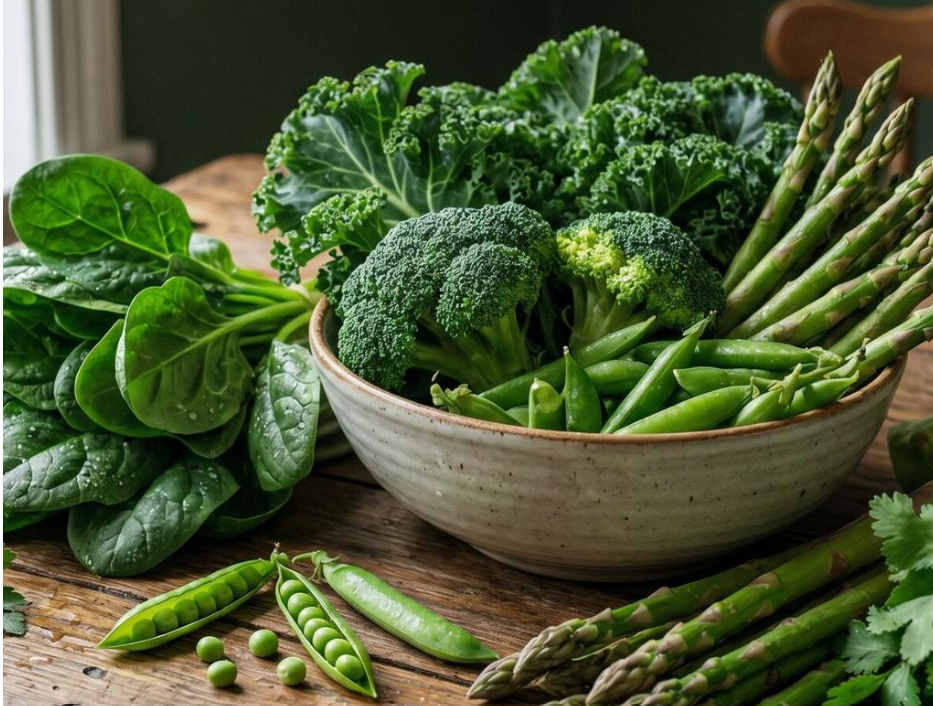
Spinach, methi, mustard greens, and other leafy vegetables provide nutrients such as lutein, zeaxanthin, folate, and vitamin C in varying amounts. Lutein and zeaxanthin are carotenoids found in the retina, particularly in the macula, which supports central vision. Including leafy greens in a balanced diet helps provide these nutrients. Easy ways to eat leafy greens:
- Prepare palak sabzi or dal with greens.
- Add spinach to soups or omelettes.
- Include seasonal leafy vegetables with lunch.
- Combine greens with other colourful vegetables.
Try to vary your choices rather than relying on spinach alone. Different vegetables provide different combinations of vitamins and minerals.
3. Eggs: Lutein, Zeaxanthin and Protein
Eggs provide protein and several nutrients, including lutein and zeaxanthin. These carotenoids are associated with the macula and are part of the nutritional picture of eye health. Eggs can be a convenient option for people who include them in their diet. Their nutritional value complements that of vegetables and other whole foods. How to include eggs:
- Boil an egg for breakfast.
- Prepare an omelette with vegetables.
- Add a boiled egg to a balanced meal.
If you do not eat eggs, leafy greens and other foods can still contribute useful nutrients to your diet.
4. Citrus Fruits, Amla and Guava
Oranges, lemons, amla, and guava provide vitamin C. Vitamin C acts as an antioxidant and supports normal tissue maintenance. Eating a variety of fruits can help you obtain vitamin C alongside fibre and other beneficial nutrients. Amla and guava are convenient options in many Indian households. Simple ways to include fruit:
- Eat a whole orange as a snack.
- Add guava to your fruit bowl.
- Include fresh amla as part of your diet if suitable for you.
- Choose whole fruit more often than sugary fruit drinks.
No single fruit is a cure for an eye condition. The aim is to include a variety of fruits regularly as part of an overall balanced diet.
5. Fatty Fish: Omega-3 Fatty Acids
Fish such as salmon, sardines, and mackerel provide omega-3 fatty acids. These are essential fats that contribute to normal body function. For people who eat fish, suitable varieties can be included in a balanced diet. People who do not eat fish can discuss other dietary sources of healthy fats with a qualified healthcare professional or dietitian. Ways to include fish:
- Bake or grill fish.
- Prepare a balanced fish curry.
- Pair fish with vegetables and whole grains.
Omega-3 supplements should not be assumed to prevent or treat every eye condition. In particular, large clinical studies have not shown that omega-3 supplements prevent age-related macular degeneration or cataracts. Food choices and supplements are not interchangeable in every medical situation.
6. Almonds, Sunflower Seeds and Other Nuts
Almonds, sunflower seeds, and some other nuts and seeds provide vitamin E, an antioxidant that helps protect cells from oxidative damage. They also supply healthy fats, and their overall nutritional composition varies by type. How to include them:
- Eat a small handful of unsalted nuts as a snack.
- Sprinkle seeds over oats or salads.
- Add chopped almonds to plain yoghurt.
- Use nuts as one component of a varied snack rather than relying on them alone.
Nuts and seeds are energy-dense, so choose portions that suit your overall dietary needs. If you have a nut allergy, avoid the relevant foods.
7. Sweet Potatoes and Other Orange Vegetables
Sweet potatoes, pumpkin, and other orange-coloured vegetables can provide beta-carotene. The body can convert beta-carotene into vitamin A as needed. These foods can be especially useful when you want to add variety to meals while obtaining fibre and other nutrients. Try these options:
- Roasted sweet potato.
- Pumpkin sabzi or soup.
- Mixed vegetables with carrots and pumpkin.
- Sweet potato served with a source of protein.
The colour of a vegetable can offer a clue to some of its nutrients, but no single colour group supplies everything your body needs. Include green, orange, red, and other colourful foods.
8. Beans, Lentils and Chickpeas
Beans, lentils, and chickpeas provide protein, fibre, and minerals such as zinc in varying amounts. Zinc is important for normal body function and plays a role in the visual system. These foods are useful for vegetarians and can help create balanced meals without requiring expensive or specialised ingredients. Everyday options include:
- Moong, masoor, or other dals.
- Rajma and chickpeas.
- Chana salad.
- Beans served with whole grains and vegetables.
Pairing pulses with a variety of vegetables and grains helps broaden the nutrients available in your diet.
9. Tomatoes, Red Peppers and Colourful Vegetables
Tomatoes and red peppers provide vitamin C and other plant compounds. Different colourful vegetables contain different combinations of antioxidants and nutrients. Rather than looking for one “perfect” vegetable, aim for variety across the week. Simple meal ideas:
- Add tomatoes to dal and vegetable dishes.
- Include red or yellow peppers in stir-fries.
- Prepare a salad with tomatoes, greens, and carrots.
- Mix different vegetables into soups or whole-grain meals.
Colourful vegetables can help make meals more nutritious and varied, while also supporting general health.
10. Whole Grains and a Balanced Variety of Foods
Whole grains such as oats, whole-wheat roti, and brown rice can contribute fibre, vitamins, and minerals. Their nutritional benefits complement those of fruits, vegetables, pulses, nuts, and protein sources. A balanced diet should not focus only on foods labelled as “eye foods.” Overall dietary quality matters. For example, a meal containing whole grains, dal, leafy vegetables, and a source of healthy fat provides a broader nutritional mix than a meal built around one food alone.
Important Vitamins for Eyes and Their Food Sources
Understanding vitamins for eyes can help you make more informed food choices. The key is to obtain a range of nutrients rather than taking high-dose supplements without medical guidance.
Vitamin A
Vitamin A is necessary for normal vision and helps maintain healthy eye surfaces. Food sources: Carrots, sweet potatoes, pumpkin, leafy vegetables, eggs, and some animal-based foods. Severe vitamin A deficiency can cause significant eye problems, but extra vitamin A does not automatically improve eyesight in someone who already gets enough.
Vitamin C
Vitamin C is an antioxidant that supports normal tissue health. Food sources: Amla, guava, oranges, lemons, tomatoes, and peppers. Including vitamin C-rich foods in your diet is a practical way to support overall nutritional health.
Vitamin E
Vitamin E helps protect cells from oxidative damage. Food sources: Almonds, sunflower seeds, and certain vegetable oils. Food sources can contribute to a balanced diet, but supplements may interact with medicines or cause problems at high doses.
Lutein and Zeaxanthin
These carotenoids are present in the macula and are found in several vegetables and other foods. Food sources: Spinach, other leafy greens, broccoli, peas, and egg yolks. Eating a variety of these foods helps provide these nutrients. However, dietary intake should not be confused with a proven treatment for every retinal condition.
Zinc
Zinc is needed for many body processes and plays a role in normal retinal function. Food sources: Beans, lentils, chickpeas, nuts, seeds, whole grains, and some animal-based foods. Do not take high-dose zinc supplements without advice. Excessive intake can cause side effects and interfere with the balance of other nutrients.
Omega-3 Fatty Acids
Omega-3 fatty acids are essential fats that support normal body functions. Food sources: Fatty fish and selected plant foods, including flaxseed, chia seeds, and walnuts. Plant sources provide a different type of omega-3 than oily fish. Including suitable sources of healthy fats can support an overall balanced diet. Do not assume that omega-3 capsules will cure dry eye or prevent retinal disease.
How to Build a Daily Diet for Healthy Eyes
You do not need a complicated meal plan or expensive products to improve the variety of your diet. Start with meals you already eat and add different food groups.
Breakfast
Choose oats with nuts and fruit, vegetable poha, or eggs with whole-grain toast if eggs are part of your diet. Include a fruit or vegetable where practical.
Lunch
Combine roti or another whole grain with dal, beans, or another protein source, plus a serving of leafy or colourful vegetables.
Evening Snack
Choose fruit, a small portion of nuts, or another balanced snack instead of relying on highly processed snacks every day.
Dinner
Include vegetables, pulses or another protein source, and whole grains. Vary your food choices throughout the week so that your diet does not depend on only two or three ingredients. These are general meal ideas, not a personalised diet prescription. People with diabetes, kidney disease, food allergies, or other dietary requirements may need individual advice.
Foods and Habits to Limit for Better Overall Eye Health
There is no single food that causes all eye problems, and you do not need to eliminate every treat from your diet. However, a pattern dominated by highly processed foods, excess added sugar, and insufficient fruit and vegetables can make it harder to meet nutritional needs. Consider these habits:
- Eat a variety of whole foods more often.
- Limit frequent sugary drinks.
- Choose balanced meals rather than relying on snacks alone.
- Follow medical advice for managing diabetes, blood pressure, and cholesterol.
- Avoid smoking, which increases the risk of several serious eye conditions.
- Stay physically active according to your ability and health needs.
Healthy eating supports general health and may contribute to eye health, but it does not replace eye examinations, prescribed treatment, or management of existing conditions.
Do You Need Eye Vitamin Supplements?
Not everyone needs an eye vitamin supplement. For many people, a varied diet is the best starting point for obtaining essential nutrients. Some specific supplements have a role for people with particular diagnoses. Dr. Ripan kaur reports that AREDS2 supplements may help slow progression to advanced age-related macular degeneration in eligible people with intermediate AMD or late AMD in one eye. They are not recommended as a universal supplement to prevent eye disease in healthy people. High-dose supplements can have side effects and interact with medications. The original AREDS formula also contained beta-carotene, which can increase lung cancer risk in current and former smokers. The AREDS2 formulation avoids beta-carotene. Do not start high-dose vitamins for your eyes without discussing them with your eye doctor or another qualified healthcare professional.
When Should You Consult an Eye Doctor?
Even a nutritious diet cannot diagnose or treat every cause of vision changes. Arrange an eye examination if you notice:
- Blurred or fluctuating vision.
- Difficulty seeing clearly at night.
- Persistent dryness, burning, or redness.
- New floaters or flashes of light.
- Difficulty reading or performing normal activities.
- A change in your usual vision or glasses prescription.
Sudden vision loss or a sudden significant change in vision requires urgent medical attention. Do not wait for dietary changes to take effect. Regular eye examinations are important because some eye diseases can progress before obvious symptoms appear. The appropriate frequency depends on your age, medical history, risk factors, and existing eye conditions.
Frequently Asked Questions About Foods for Eye Health
1. What are the best foods for eye health?
Leafy green vegetables, carrots, sweet potatoes, citrus fruits, amla, guava, eggs, nuts, seeds, pulses, and suitable fish varieties can all contribute nutrients that support normal eye function. The best approach is a varied, balanced diet rather than relying on one food.
2. Do carrots improve eyesight?
Carrots provide beta-carotene, which the body can convert into vitamin A. Vitamin A is essential for normal vision, but eating extra carrots will not correct a glasses prescription or guarantee better eyesight if your vitamin A intake is already adequate.
3. Which vitamins for eyes are most important?
Vitamin A, vitamin C, vitamin E, and minerals such as zinc contribute to normal body and eye function. Lutein and zeaxanthin are also relevant carotenoids found in certain foods. The nutrients you need depend on your overall diet and health.
4. Are leafy green vegetables good for the eyes?
Yes. Leafy greens such as spinach and methi provide nutrients including lutein and zeaxanthin. They are useful components of a balanced diet, although they cannot replace medical treatment for an eye disease.
5. Can food prevent cataracts?
A nutritious diet supports overall health, and some research links healthy dietary patterns with eye health. However, no specific food or supplement guarantees cataract prevention, and supplements have not been shown to eliminate or reverse an existing cataract.
6. Are supplements better than eye healthy foods?
Not necessarily. Whole foods provide a variety of nutrients and other beneficial components. Certain clinically studied supplements may be appropriate for specific diagnosed conditions, but high-dose products should not be used routinely without professional guidance.
7. Can nutrition improve dry eyes?
A balanced diet supports general health, but it may not resolve dry eye disease. Persistent burning, irritation, or a gritty sensation may require an eye examination and targeted treatment.
8. Which fruits are good for eye health?
Amla, guava, oranges, and other citrus fruits provide vitamin C. Other fruits contribute different nutrients. Choose a variety of whole fruits rather than relying on one fruit or sugary juice.
9. How often should I eat eye healthy foods?
Include a variety of vegetables, fruits, whole grains, and suitable protein sources regularly as part of your normal eating pattern. There is no single required serving schedule that applies to everyone.
10. Can healthy food replace an eye examination?
No. Food cannot identify an eye disease, check your prescription, or replace necessary treatment. Regular examinations help detect problems and guide care according to your individual needs.
Conclusion: Make Nutrition for Eyes Part of Your Lifestyle
Choosing the right foods is a practical way to support your overall health and provide nutrients needed for normal eye function. Leafy greens, carrots, sweet potatoes, fruits, eggs, nuts, seeds, pulses, whole grains, and suitable fish can all contribute to a varied diet. The most useful approach to nutrition for eyes is consistency, variety, and balance—not relying on a single superfood or taking high-dose supplements without advice. Healthy eating should go hand in hand with regular eye examinations, good daily habits, and appropriate care for existing medical conditions. If you notice changes in your vision, persistent irritation, or other concerning symptoms, consult an eye-care professional rather than relying on food alone.