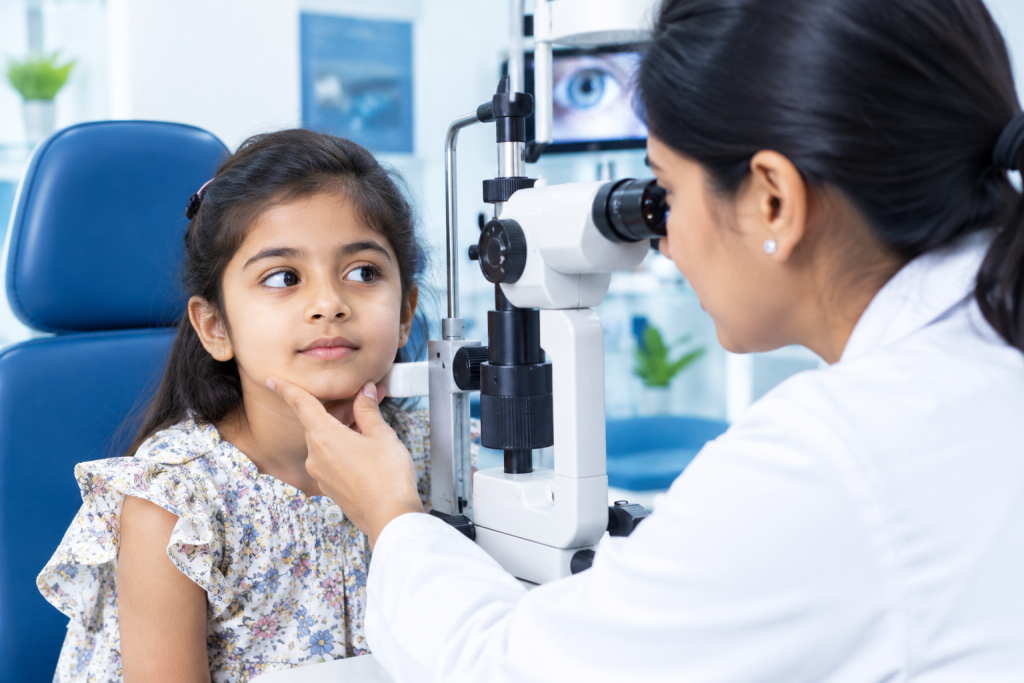
About Uveitis
Uveitis is inflammation affecting the uvea, which includes the iris, ciliary body and choroid. It may also affect nearby structures inside the eye.
Uveitis can develop suddenly or gradually and may affect one or both eyes. Its causes vary, so a detailed eye examination is essential to determine the type of inflammation and the most appropriate treatment.
Symptoms of Uveitis
Eye Redness
Eye Pain
Blurred Vision
Sensitivity to Light
Floaters
Reduced Vision
Causes of Uveitis
1. Infections
Certain viral, bacterial, fungal or parasitic infections can cause inflammation inside the eye.
2. Autoimmune Conditions
Conditions such as ankylosing spondylitis and sarcoidosis may be associated with uveitis.
3. Eye Injury
Trauma or injury to the eye may trigger inflammation.
4. Unknown Causes
In some cases, no specific cause is identified even after evaluation.
Types of Uveitis
1. Anterior Uveitis
Affects the front part of the eye, particularly the iris. Redness, pain and light sensitivity are common symptoms.
2.Intermediate Uveitis
Affects the middle region of the eye and may cause floaters or blurred vision.
3. Posterior Uveitis
Affects the back of the eye, including the retina or choroid, and may affect central or peripheral vision.
4.Panuveitis
Inflammation affects the front, middle and back portions of the eye.
Diagnosis of Uveitis
Medical History
Vision Assessment
Detailed Eye Examination
Additional Investigations
Uveitis Treatment Options
Uveitis treatment depends on the affected part of the eye, severity of inflammation and underlying cause. Early treatment can help reduce the risk of complications.
Anti-Inflammatory Eye Drops
Prescribed eye drops may help control inflammation in certain types of uveitis.
Other Medications
Depending on the condition, a doctor may prescribe oral or injectable medicines.
Treatment of Infection
If an infection is responsible, appropriate antimicrobial treatment may be required.
Monitoring and Follow-Up
Regular examinations help assess the response to treatment and identify complications.
Uveitis Recovery and Aftercare
1.Initial Treatment
Follow the prescribed medication plan and attend recommended follow-up visits.
2.Regular Monitoring
The eye specialist may monitor inflammation, vision and eye pressure.
3.Medication Guidance
Use eye drops exactly as prescribed. Do not stop or change medication without medical advice.
4.Long-Term Care
Some forms of uveitis may recur and require ongoing monitoring or further treatment.
Why Choose Dr. Ripan Kaur Kamra?

Dr. Ripan Kaur Kamra
Dr. Ripan Kaur Kamra is a dedicated and skilled ophthalmologist with specialized expertise in cataract surgery and comprehensive eye care. With a strong clinical background and a patient-first approach, she is known for delivering safe, precise, and personalized eye treatment focused on long-term visual clarity and comfort.
Dr. Ripan Kaur completed her MBBS, followed by MS in Ophthalmology, gaining a solid foundation in both medical and surgical aspects of eye care. Her advanced training has equipped her with in-depth knowledge of diagnosing and managing a wide range of ocular conditions with accuracy and confidence.
As an experienced Phaco Surgeon, Dr. Ripan Kaur Kamra specializes in modern, minimally invasive cataract surgery, using advanced phacoemulsification techniques to achieve excellent visual outcomes and faster recovery for patients. She emphasizes precision, safety, and patient comfort throughout the surgical process.
Dr. Ripan Kaur strongly believes in combining advanced technology with compassionate care. She focuses on early diagnosis, customized treatment planning, and clear patient communication, ensuring that every individual feels informed, reassured, and confident about their eye care journey.
EYE CARE SERVICES
Eye Conditions and Treatments
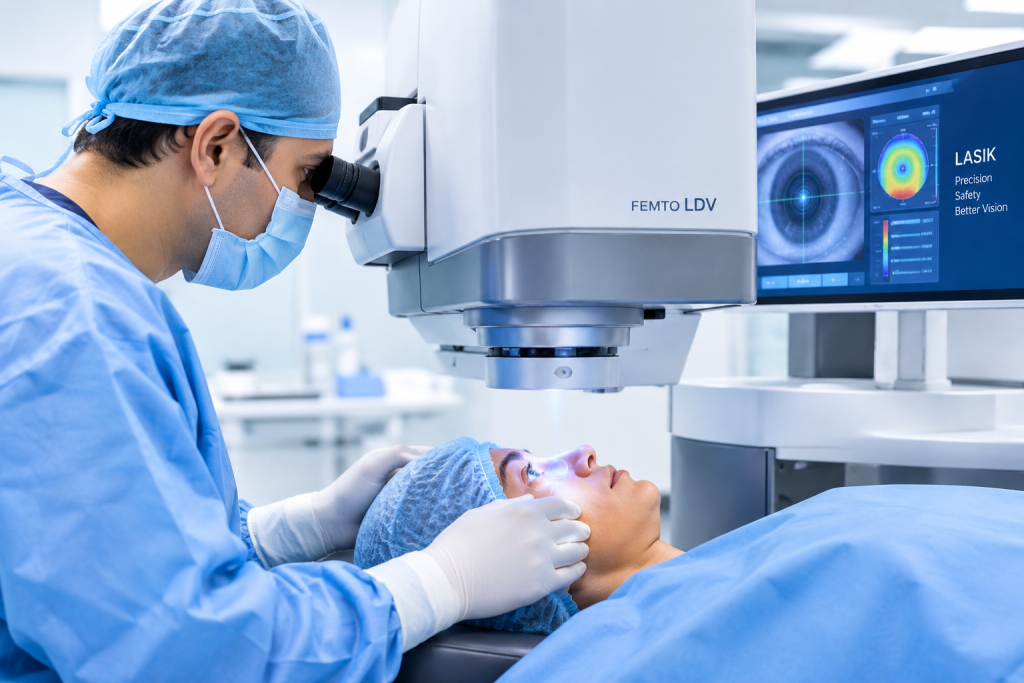
LASIK
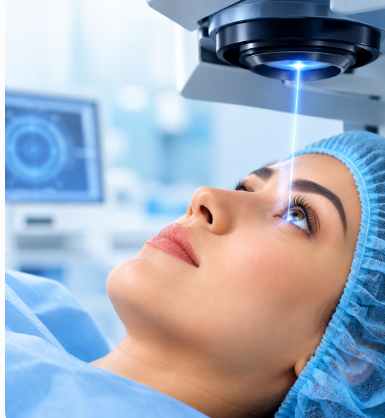
LASIK is a laser vision-correction procedure used to treat suitable refractive errors, including myopia, hyperopia and astigmatism. Patients considering LASIK treatment in Hisar should undergo an eye evaluation to determine whether they are suitable candidates.
CATARACT
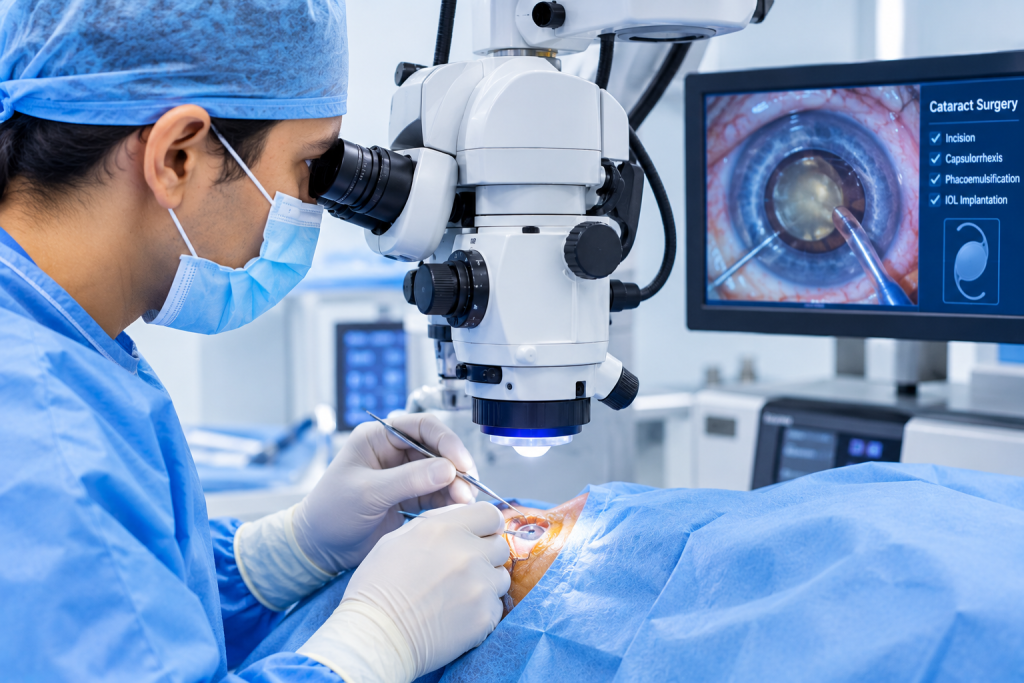
Cataract is the clouding of the eye’s natural lens, which may cause blurry vision, glare, faded colours and difficulty seeing at night. Cataract treatment in Hisar begins with an eye examination to assess vision changes and discuss suitable management options.
DRY EYE
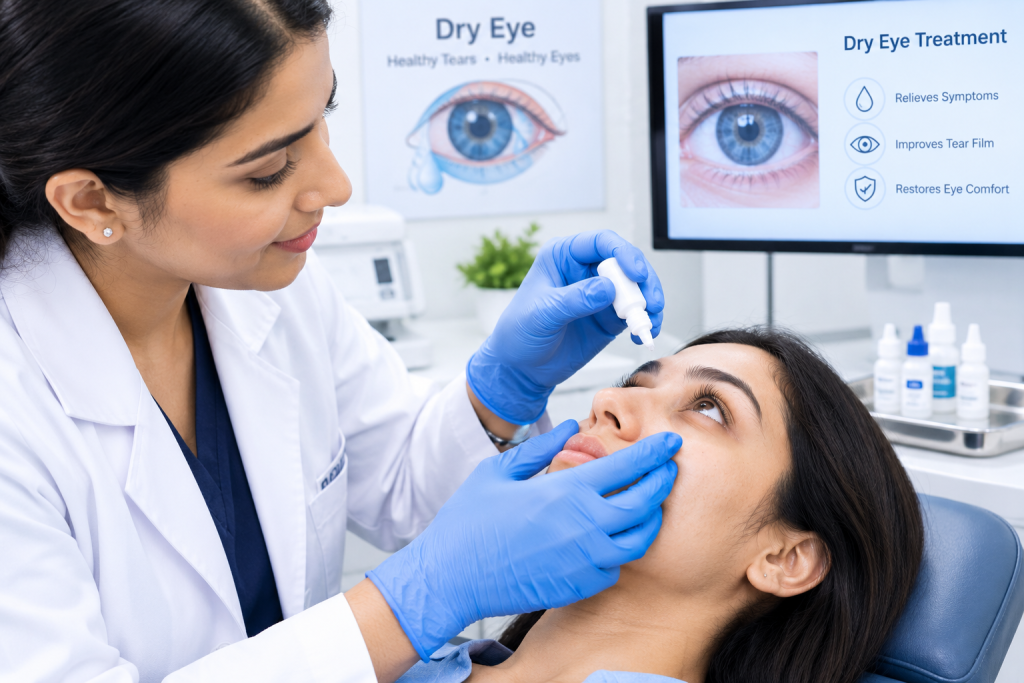
Dry eye can cause burning, irritation, redness or a gritty sensation. Dry eye care in Hisar may include an eye examination, lubricating drops, lifestyle advice or other treatment depending on the underlying cause.
Refractive Surgery
Refractive surgery includes procedures designed to correct suitable vision problems and reduce dependence on glasses or contact lenses. An eye specialist in Hisar can assess your prescription, corneal health and suitability for available options.
Glaucoma
Glaucoma is an eye condition that can damage the optic nerve and may affect vision over time. A glaucoma evaluation in Hisar can help assess eye health and determine whether monitoring or treatment is needed.
Squint
Squint occurs when the eyes do not align in the same direction. A detailed eye examination can assess eye alignment and visual function and help determine suitable management options for patients seeking squint evaluation in Hisar.
Frequently Asked Questions
Q1. Is uveitis a serious eye condition?
Ans: Uveitis can be serious because inflammation may damage important eye structures. Early diagnosis and appropriate treatment can help reduce the risk of complications.
Q2. What are the common symptoms of uveitis?
Ans: Common symptoms include eye redness, pain, blurred vision, sensitivity to light and floaters. Some types may cause few symptoms despite inflammation.
Q3. Can uveitis cause vision loss?
Ans: Yes. Severe, recurrent or untreated uveitis can cause permanent vision damage in some cases.
Q4. Is uveitis contagious?
Ans: Uveitis itself is not generally contagious. However, certain infections that cause it may be transmissible, depending on the infection.
Q5. Can uveitis come back?
Ans: Yes. Some types of uveitis can recur, so follow-up examinations may be necessary even after symptoms improve.
Q6. How is uveitis treated?
Ans: Treatment depends on the cause and location of inflammation. It may involve anti-inflammatory medication, treatment of an infection or other prescribed medicines.