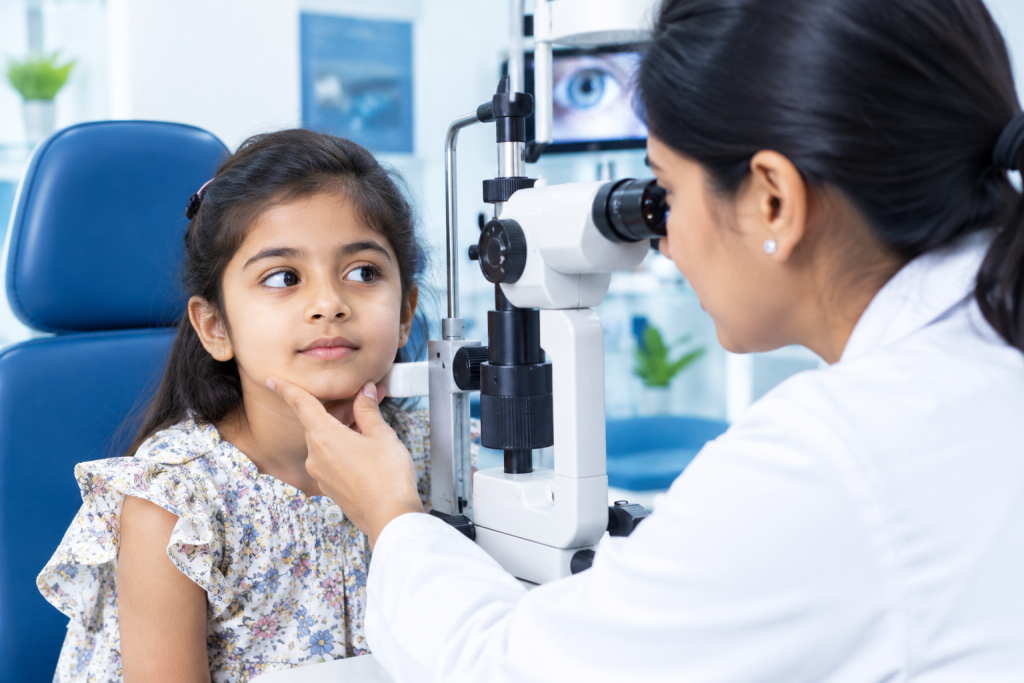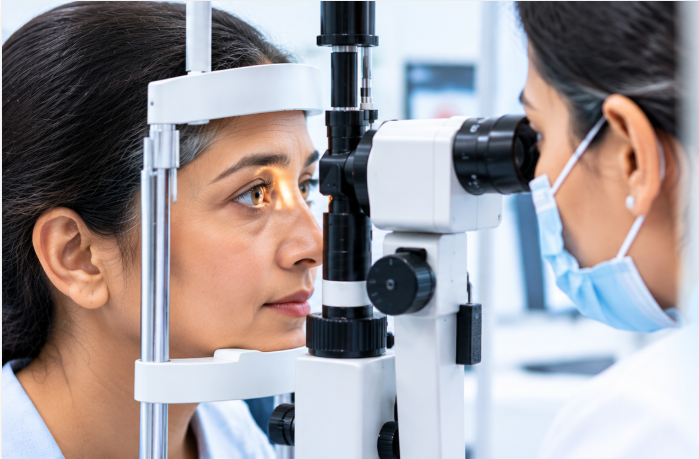

Corneal examination by an ophthalmologist showing a close-up view of the cornea and an illustration of corneal transplant treatment.

CORNEA & CORNEAL CARE

Cornea Treatment & Corneal Transplant

The cornea is the clear front surface of the eye that helps focus light for clear vision. Conditions affecting the cornea can cause blurred vision, discomfort, light sensitivity and other visual problems. Understanding the cause through a comprehensive eye examination is an important first step towards appropriate care. Explore corneal conditions, diagnostic options and corneal transplant procedures, including when a transplant may be considered.

Understanding the Cornea and Its Role in Vision

The cornea is the transparent, dome-shaped surface at the front of the eye. It protects the inner structures of the eye and helps bend light so that it can be focused properly for vision. When the cornea becomes swollen, scarred, infected or irregular in shape, vision may become blurred or distorted. Some corneal conditions can be managed with medicines, spectacles or specialised contact lenses, while more severe damage may require a surgical procedure. A detailed eye examination helps identify the type of corneal problem and guide the next steps in treatment.

Common Signs and Symptoms of Corneal Problems

Blurred or Distorted Vision

Eye Pain or Discomfort

Excessive Watering

Sensitivity to Light

Difficulty Seeing at Night

White Spot on the Cornea

When Is Corneal Transplant Surgery Needed?

1. Severe Corneal Scarring

Scarring caused by an injury, infection or inflammation may reduce the cornea’s transparency and affect vision.

2. Advanced Keratoconus

In advanced keratoconus, the cornea becomes thin and irregularly shaped. A corneal transplant may be considered when other treatment options are no longer sufficient.

3. Corneal Dystrophy

Certain inherited corneal conditions can cause progressive cloudiness or swelling. A transplant may be an option when the condition significantly affects vision.


4. Persistent Corneal Swelling

When the cornea cannot maintain its normal transparency because of damage to its inner layer, a transplant may be considered if other treatments are insufficient.


Cornea Treatment Options

Medicines and Eye Drops

Some corneal infections, inflammation and surface problems may be treated with prescribed medication. The treatment depends on the cause and severity.

Specialised Contact Lenses

Depending on the condition, specialised lenses may help improve vision affected by an irregular corneal shape.

Keratoconus Treatment

Options may include monitoring, specialised lenses or corneal collagen cross-linking. The appropriate treatment depends on the stage and progression of the condition.

Corneal Surgery or Transplant

Selected cases of severe corneal disease may require surgery to replace affected tissue. The procedure depends on which corneal layers are damaged.

How Is Corneal Transplant Surgery Performed?

1. Preoperative Evaluation


The eye is examined to confirm the diagnosis, assess corneal damage and plan the appropriate transplant technique.

2. Anaesthesia and Preparation

The eye is prepared for surgery, and appropriate anaesthesia is administered by the surgical team.

3. Replacement of Damaged Tissue

The affected corneal tissue is replaced with suitable donor tissue using the planned full-thickness or partial-thickness technique.


4. Postoperative Care

The eye is monitored, prescribed drops are started and follow-up appointments are scheduled to assess healing.

Recovery After Corneal Transplant

Recovery depends on the type of transplant, the underlying condition and individual healing. Vision may improve gradually over several months, and some procedures require a longer recovery period.

Follow Prescribed Treatment:

Use postoperative eye drops exactly as instructed by your treating doctor.

Protect Your Eye:

Avoid rubbing or pressing the operated eye, and use a protective shield if recommended.

Attend Follow-Up Visits:

Regular examinations help monitor healing and identify possible complications.

Follow Activity Advice:

Return to driving, swimming, exercise and other activities only when your treating team advises that it is safe.

Benefits and Possible Risks

Potential Benefits

  • May improve vision when corneal disease is the main cause.

  • May relieve discomfort in selected cases.

  • May restore corneal clarity or structure.

Possible Risks

  • Astigmatism or continued need for glasses.

  • Graft rejection or failure.

  • Changes in eye pressure.

Why Choose Dr. Ripan Kaur Kamra?

Dr. Ripan Kaur Kamra, ophthalmologist and eye specialist

Dr. Ripan Kaur Kamra

Dr. Ripan Kaur Kamra is a dedicated and skilled ophthalmologist with specialized expertise in cataract surgery and comprehensive eye care. With a strong clinical background and a patient-first approach, she is known for delivering safe, precise, and personalized eye treatment focused on long-term visual clarity and comfort.
Dr. Ripan Kaur completed her MBBS, followed by MS in Ophthalmology, gaining a solid foundation in both medical and surgical aspects of eye care. Her advanced training has equipped her with in-depth knowledge of diagnosing and managing a wide range of ocular conditions with accuracy and confidence.
As an experienced Phaco Surgeon, Dr. Ripan Kaur Kamra specializes in modern, minimally invasive cataract surgery, using advanced phacoemulsification techniques to achieve excellent visual outcomes and faster recovery for patients. She emphasizes precision, safety, and patient comfort throughout the surgical process. Dr. Ripan Kaur strongly believes in combining advanced technology with compassionate care. She focuses on early diagnosis, customized treatment planning, and clear patient communication, ensuring that every individual feels informed, reassured, and confident about their eye care journey.
EYE CARE SERVICES

Eye Conditions and Treatments

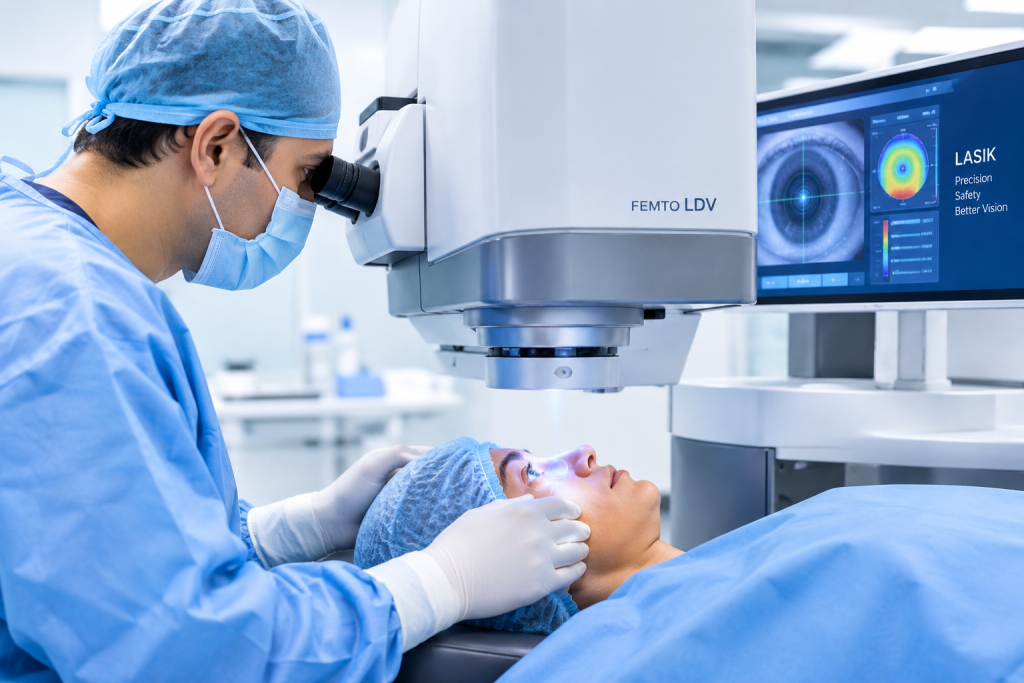
lasik

LASIK

LASIK is a laser vision-correction procedure used to treat suitable refractive errors, including myopia, hyperopia and astigmatism. Patients considering LASIK treatment in Hisar should undergo an eye evaluation to determine whether they are suitable candidates.

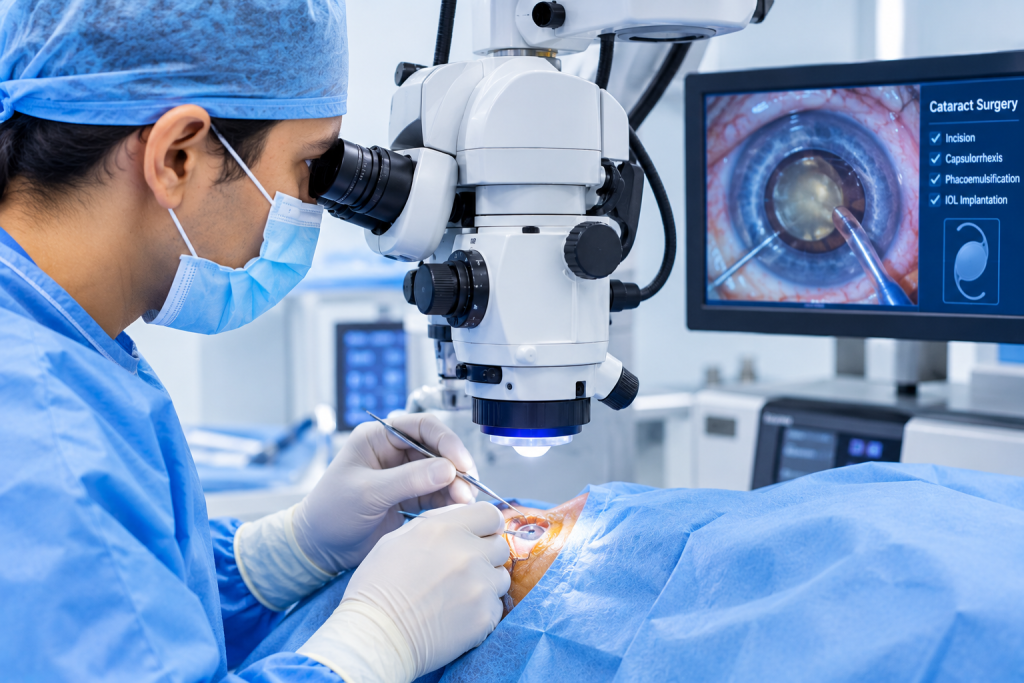
cataract

CATARACT

Cataract is the clouding of the eye’s natural lens, which may cause blurry vision, glare, faded colours and difficulty seeing at night. Cataract treatment in Hisar begins with an eye examination to assess vision changes and discuss suitable management options.

dry eye

DRY EYE

Dry eye can cause burning, irritation, redness or a gritty sensation. Dry eye care in Hisar may include an eye examination, lubricating drops, lifestyle advice or other treatment depending on the underlying cause.

Refractive surgery using laser eye treatment for vision correction.

Refractive Surgery

Refractive surgery includes procedures designed to correct suitable vision problems and reduce dependence on glasses or contact lenses. An eye specialist in Hisar can assess your prescription, corneal health and suitability for available options.

Eye examination for glaucoma using a slit lamp by an ophthalmologist.

Glaucoma

Glaucoma is an eye condition that can damage the optic nerve and may affect vision over time. A glaucoma evaluation in Hisar can help assess eye health and determine whether monitoring or treatment is needed.

Squint treatment and eye examination of a child by an ophthalmologist

Squint

Squint occurs when the eyes do not align in the same direction. A detailed eye examination can assess eye alignment and visual function and help determine suitable management options for patients seeking squint evaluation in Hisar.

Frequently Asked Questions

Q1. What is a corneal transplant?
Ans:
It is a surgical procedure that replaces all or part of a damaged cornea with suitable donor tissue.

Q2. When is a corneal transplant needed?
Ans: It may be considered when severe corneal disease or damage affects vision or the structure of the eye and other treatments are insufficient.

Q3. Can keratoconus require a corneal transplant?
Ans: Some advanced cases may require a transplant, while other cases can be managed with alternative treatments depending on their stage.

Q4. How long does corneal transplant recovery take?
Ans: Recovery varies by transplant type. Vision may take months or longer to stabilise, and regular follow-up is essential.

Q5. Can corneal problems be treated without surgery?
Ans: Yes, depending on the condition. Medicines, specialised contact lenses or other treatments may be appropriate.

Q6. Where can I get cornea treatment in Hisar?
Ans: Contact an ophthalmologist for an eye evaluation and ask which corneal services are available or whether a specialist referral is required.