
Services
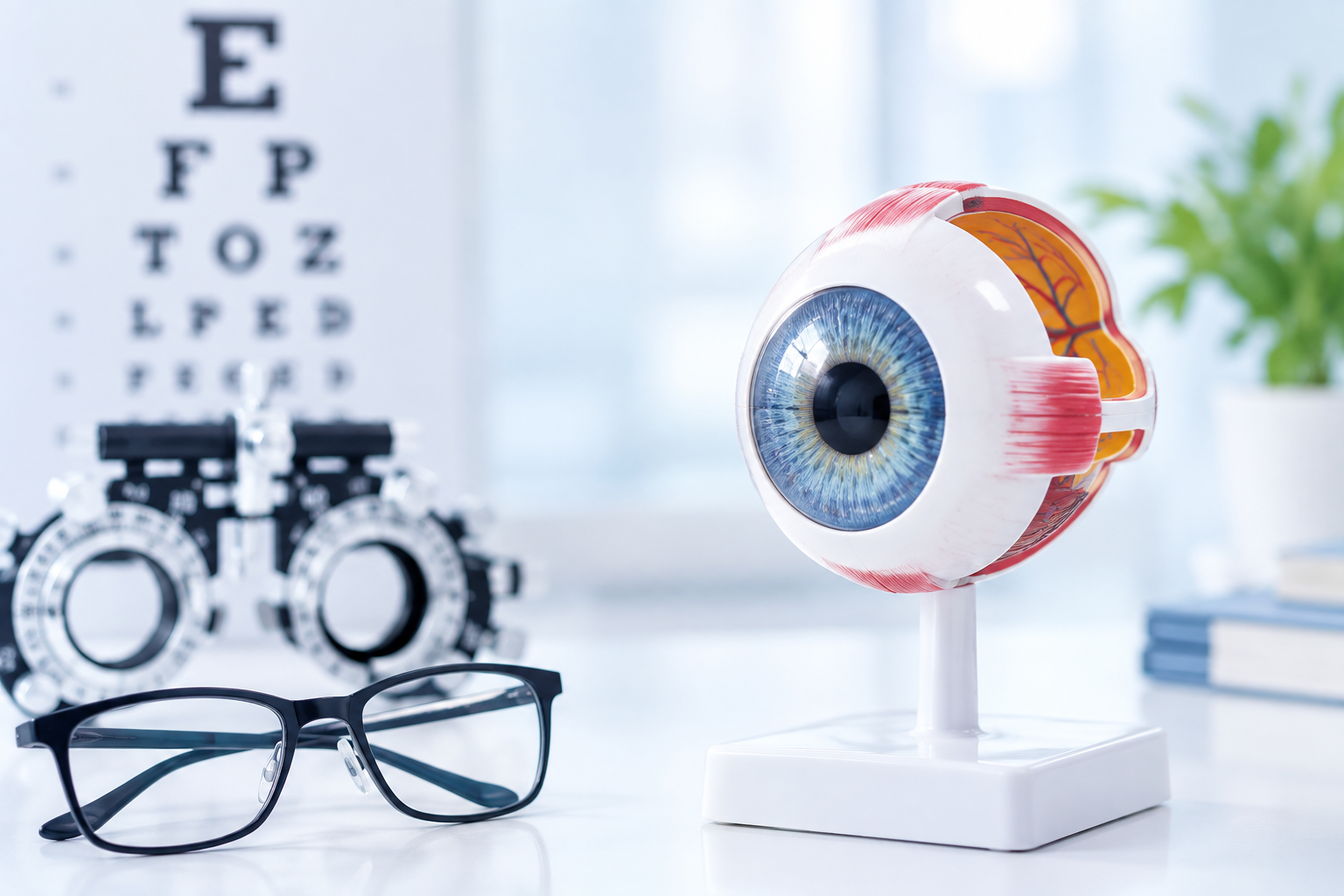
Comprehensive Eye Care, Focused on You
Comprehensive Eye Care for Your Vision
Comprehensive eye care is about protecting your vision and maintaining your overall eye health—not simply checking your glasses number. Regular eye examinations can help assess your vision, identify changes in eye health and detect certain eye conditions that may not cause noticeable symptoms in their early stages.
At Dr. Ripan Kaur Kamra’s practice, eye care focuses on understanding each patient’s individual vision needs and providing appropriate guidance based on their eye condition and overall eye health. A comprehensive examination may include vision testing, refraction, eye pressure measurement, assessment of the eye surface and, when required, examination of the internal structures of the eye.
Our goal is to provide personalized, patient-focused eye care that supports clearer vision and long-term eye health.

DR. RIPAN KAUR KAMRA
Dr. Ripan Kaur Kamra is a dedicated and skilled ophthalmologist with specialized expertise in cataract surgery and comprehensive eye care. With a strong clinical background and a patient-first approach, she is known for delivering safe, precise, and personalized eye treatment focused on long-term visual clarity and comfort.
Dr. Ripan Kaur completed her MBBS, followed by MS in Ophthalmology, gaining a solid foundation in both medical and surgical aspects of eye care. Her advanced training has equipped her with in-depth knowledge of diagnosing and managing a wide range of ocular conditions with accuracy and confidence.
As an experienced Phaco Surgeon, Dr. Ripan Kaur Kamra specializes in modern, minimally invasive cataract surgery, using advanced phacoemulsification techniques to achieve excellent visual outcomes and faster recovery for patients. She emphasizes precision, safety, and patient comfort throughout the surgical process.
Our Eye Care Services
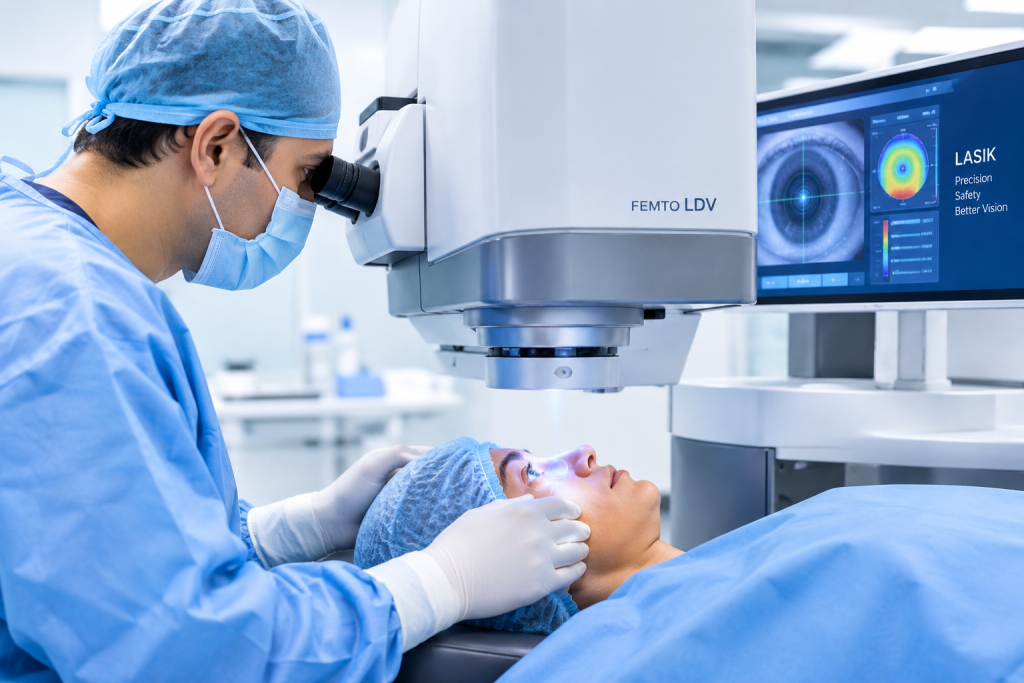
LASIK
LASIK is a laser vision-correction procedure used to correct refractive errors such as myopia, hyperopia and astigmatism. During LASIK, a laser reshapes the cornea so that light can focus more accurately on the retina, which may reduce dependence on glasses or contact lenses.
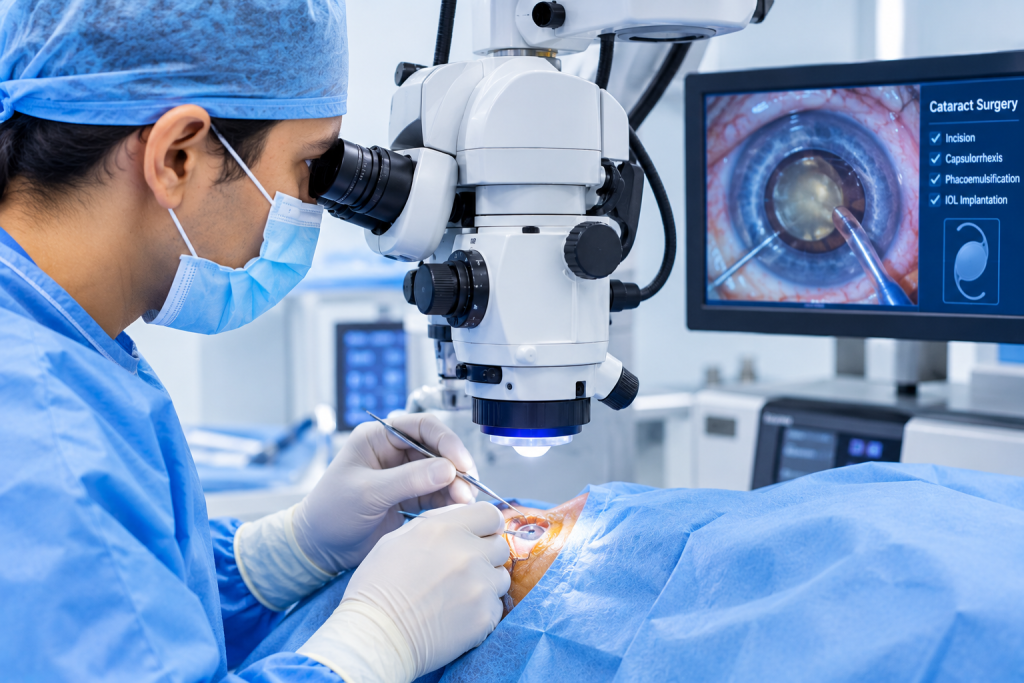
CATARACT
Cataract is a clouding of the eye’s natural lens that can cause blurry or hazy vision, faded colors, glare and difficulty seeing at night. Cataracts usually develop gradually and may begin to interfere with everyday activities such as reading, driving or watching TV.
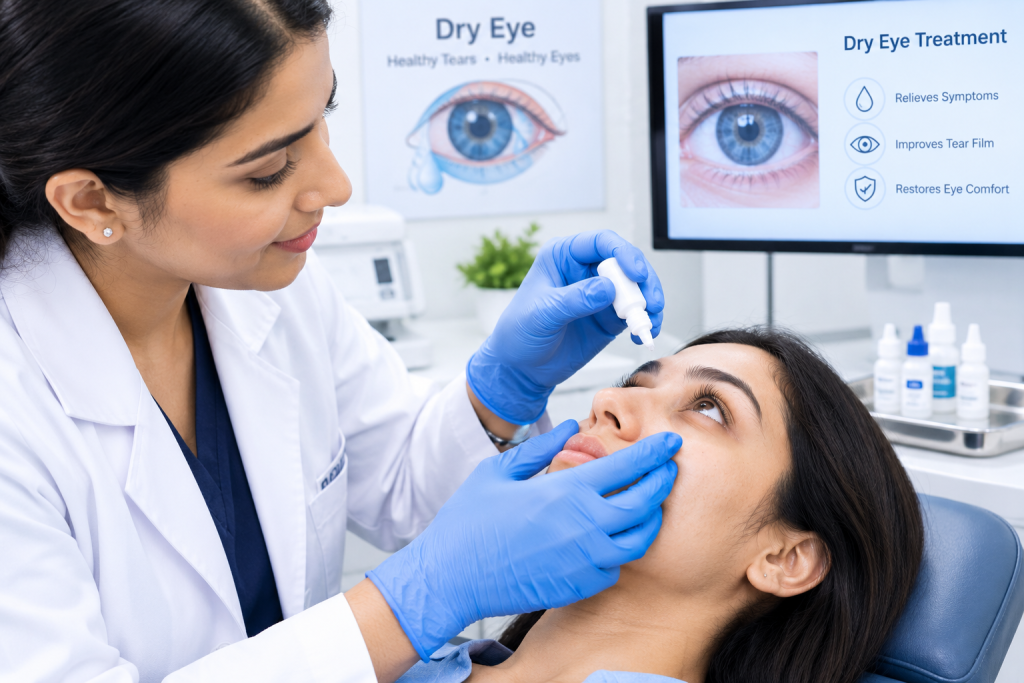
DRY EYE
Dry eye treatment focuses on relieving symptoms and addressing the underlying cause of inadequate or unstable tears. Depending on the condition, treatment may include artificial tears, prescription eye drops, lifestyle changes and other specialized treatments.
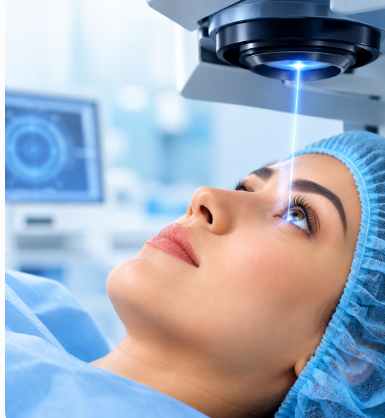
Refractive Surgery
Tired of glasses or contact lenses? Explore refractive surgery with advanced vision correction options such as LASIK, PRK and SMILE, designed to correct suitable refractive errors and help reduce dependence on glasses.
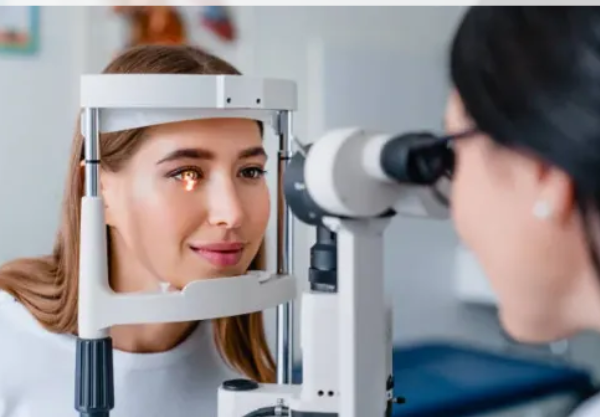
Glaucoma
Concerned about glaucoma or changes in your vision? Get expert glaucoma care with comprehensive eye evaluation, personalized treatment and ongoing monitoring to help protect your vision and manage eye pressure.
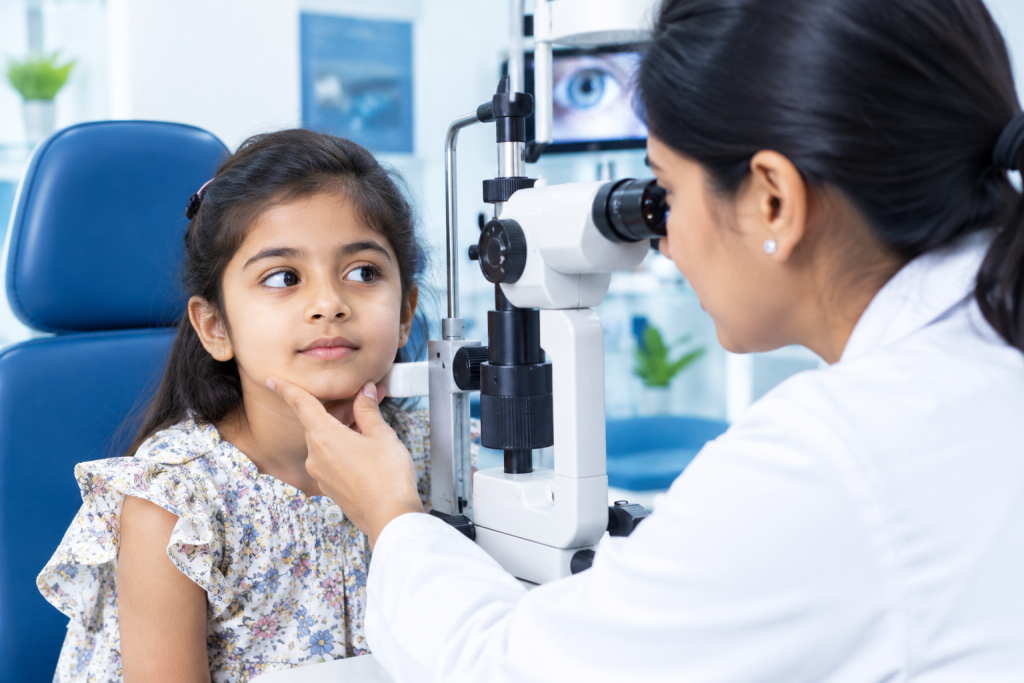
Squint
Concerned about crossed or misaligned eyes? Get expert squint care with detailed eye evaluation, personalized treatment and advanced management options to help improve eye alignment and visual function.
COMPREHENSIVE EYE EXAMINATION
A comprehensive eye examination helps assess both your vision and overall eye health. Depending on your symptoms, age and risk factors, different tests may be performed to understand your visual needs and identify possible eye conditions.”
1. Visual Acuity Test
Checks how clearly you can see at different distances.
2. Refraction Test
Determines the type and degree of refractive error.
3. Eye Pressure Measurement
Measures intraocular pressure and may help identify patients who need further glaucoma evaluation.
4. Slit-Lamp Examination
Provides a detailed examination of the front structures of the eye.
5. Eye Movement & Alignment Assessment
Evaluates eye movements and alignment when required.
6. Dilated Eye Examination
When indicated, dilation allows the doctor to examine internal eye structures including the retina and optic nerve.
Eye Conditions We Manage
Different eye conditions can affect vision in different ways. Early evaluation can help identify the cause of vision changes and guide appropriate care.
Cataract Surgery
Clouding of the natural lens that may cause blurred or cloudy vision.
Dry Eye
A condition that can cause burning, irritation, redness and fluctuating vision.
Glaucoma
A group of eye diseases that can damage the optic nerve.
Refractive Surgery
Vision problems such as myopia, hyperopia, astigmatism and presbyopia.
Squint
A condition in which the eyes are not properly aligned.
LASIK
LASIK is a laser eye surgery that reshapes the cornea to correct certain vision problems.
Our Approach to Eye Care
Eye Examination
Diagnosis
Personalized Treatment
Follow-Up Care
WHEN SHOULD YOU SEE AN EYE DOCTOR?
1. Blurred Vision
Vision is no longer as clear as before.
2. Eye Pain or Redness
Persistent discomfort, pain or redness.
3. Difficulty Seeing at Night
Problems seeing clearly in low-light conditions.
4. Frequent Headaches or Eye Strain
Especially when associated with visual tasks.
5. Sudden Vision Changes
Any sudden or significant change in vision should be evaluated promptly.
6. Regular Eye Check-Up
Even without symptoms, routine examinations may be appropriate depending on age and risk factors.
Your Eye Care Journey
Consultation
Discuss your symptoms, concerns and visual requirements.
Eye Examination
Your vision and eye health are evaluated through appropriate tests.
Diagnosis
Your examination findings are reviewed to understand your condition.
Treatment Plan
Suitable treatment options are discussed according to your individual needs.
Follow-Up
Your progress and eye health are monitored when follow-up is required.
Frequently Asked Questions
Q1.What eye conditions do you treat?
Ans: Eye-care services include evaluation and management of conditions such as cataract, dry eye, glaucoma, refractive errors and squint, along with comprehensive eye examinations.
Q2.How often should I have an eye examination?
Ans: The appropriate frequency depends on factors such as age, eye health, symptoms and individual risk factors. Your ophthalmologist can recommend an examination schedule appropriate for you.
Q3.Do I need an eye examination even if my vision is normal?
Ans: Yes. Some eye diseases may not cause noticeable symptoms in their early stages, so an eye examination can help identify problems that may otherwise go unnoticed.”
Q4.Can I get treatment for my eye condition without surgery?
Ans: Treatment depends on the specific condition. Some eye problems can be managed with medicines, glasses or other non-surgical approaches, while certain conditions may require procedures or surgery.
Q5.Can I book an appointment for a general eye check-up?
Ans: Yes. A comprehensive eye examination can help assess your vision and overall eye health.
Call Today
+7034885317