
Eye pain can feel different from person to person. Some people describe it as a sharp or stabbing sensation, while others experience burning, aching, pressure, soreness or a feeling that something is stuck in the eye. Sometimes painful eyes are caused by something relatively minor, such as dryness, irritation or a small surface scratch. However, eye pain can also occur with conditions affecting the cornea, inside of the eye, eye pressure or the structures surrounding the eye. This is why persistent, severe or unexplained eye pain should not simply be ignored. Eye pain becomes particularly important when it occurs with blurred or reduced vision, significant redness, sensitivity to light, severe headache, nausea, injury or sudden symptoms. These combinations can require urgent assessment. In this guide, we will explain the common causes of eye pain, symptoms that may accompany painful eyes, possible treatment approaches and the warning signs that mean you should seek medical attention.
What Does Eye Pain Feel Like?
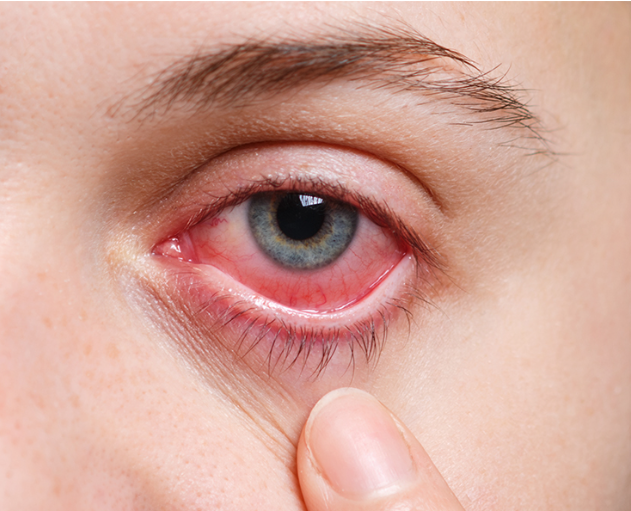
Eye pain does not always feel the same. Depending on the cause, you may experience:
- Sharp or stabbing pain
- Dull aching pain
- Burning or stinging
- Pressure around the eye
- A gritty or foreign-body sensation
- Pain when blinking
- Pain when looking at bright light
- Pain around or behind the eye
- Tenderness around the eyelids
- Pain associated with blurred vision
The location of the pain can also provide useful information. Pain may be felt on the surface of the eye, inside the eye, behind the eye or around the eye. Because several different conditions can cause similar symptoms, the sensation alone cannot establish the diagnosis.
Common Causes of Eye Pain
1. Dry Eyes
Dry eyes are a common cause of burning, soreness and discomfort. When the eyes do not produce enough tears or the tear film does not work properly, the surface of the eye can become irritated. This may lead to:
- Burning
- Stinging
- Grittiness
- Redness
- Light sensitivity
- Blurred or fluctuating vision
- Eye fatigue
Long periods of screen use, dry air, wind and smoke can contribute to dry-eye symptoms. Mild dryness may improve with appropriate eye-care measures, but persistent painful or red eyes should be evaluated, especially if symptoms are getting worse.
2. Something in the Eye or a Corneal Scratch
A small particle such as dust, an eyelash or another foreign body can irritate the surface of the eye. A corneal abrasion—a scratch on the clear front surface of the eye—can cause:
- Pain
- Watering
- Redness
- Blurred vision
- Sensitivity to light
- A feeling that something is stuck in the eye
The Dr. Ripan Kaur notes that corneal injuries can cause eye pain, blurry vision, redness or watering and light sensitivity. If something appears to be embedded in the eye, do not try to remove it yourself. An eye specialist or emergency service should assess it.
3. Conjunctivitis
Conjunctivitis, commonly known as pink eye, affects the conjunctiva—the thin tissue covering the white part of the eye and inner eyelid. Depending on the cause, it may produce:
- Redness
- Burning
- Grittiness
- Watering
- Sticky discharge
- Mild discomfort
Not every case of conjunctivitis causes significant pain. Severe pain, light sensitivity or vision changes are reasons to consider another or more serious eye condition and seek prompt assessment.
4. Contact Lens-Related Problems
Contact lenses can be convenient, but painful eyes in a contact lens wearer deserve particular attention. Contact lens-related infections can affect the cornea and may cause pain, redness, blurred vision and sensitivity to light. Contact-lens-related infections are an important cause of keratitis. If you wear contact lenses and develop eye pain, particularly when accompanied by vision changes or redness, stop wearing the lenses and seek prompt professional eye-care advice.
Eye Conditions That Can Cause More Significant Pain
5. Keratitis
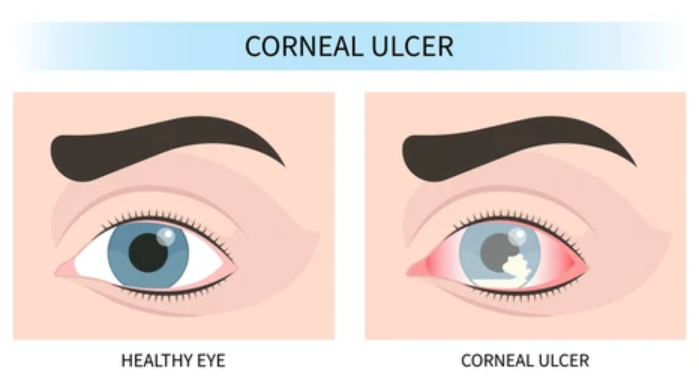
Keratitis is inflammation of the cornea, the clear front surface of the eye. Possible symptoms include:
- Eye pain
- Redness
- Watering
- Blurred vision
- Light sensitivity
Keratitis can have infectious or non-infectious causes. Contact lens-related infections are an important cause. Because the cornea plays an important role in vision, suspected keratitis should be assessed promptly rather than treated as simple irritation.
6. Uveitis
Uveitis is inflammation affecting parts of the uvea, the middle layer of the eye. It can cause:
- Eye pain
- Redness
- Blurred vision
- Light sensitivity
The NHS identifies pain that may worsen with reading, along with watering and vision changes, as symptoms that can occur with uveitis. If eye pain is accompanied by significant light sensitivity or vision changes, an ophthalmic examination is important.
7. Glaucoma
Many common forms of glaucoma develop gradually and may not cause noticeable symptoms early on. However, acute angle-closure glaucoma can cause sudden and intense symptoms. These can include:
- Intense eye pain
- Red eye
- Blurred vision
- Nausea
- Headache
The Dr. Ripan Kaur describes sudden intense eye pain, nausea, red eye and blurry vision as warning symptoms of angle-closure glaucoma requiring immediate medical attention. A sudden painful red eye with vision changes should therefore never be assumed to be ordinary eye strain.
Can Headaches Cause Eye Pain?
Yes. Pain around or behind the eye can sometimes be associated with a headache disorder. For example, the NHS lists sharp, burning or piercing pain around the eye among symptoms that may occur with cluster headache. However, it is important not to automatically assume that pain around the eye is simply a headache. If the pain is new, severe, associated with vision changes, redness, nausea or other unusual symptoms, an eye or medical evaluation may be appropriate.
Eye Pain from Screen Use and Digital Eye Strain
Long periods of computer or smartphone use can contribute to eye discomfort. During prolonged screen concentration, people may blink less often, which can contribute to dryness and irritation. Dryness can then produce burning, soreness, blurred or fluctuating vision and discomfort.
How to Reduce Screen-Related Eye Discomfort
Try these habits:
- Take regular screen breaks.
- Follow the 20-20-20 rule.
- Blink consciously while working.
- Avoid direct airflow from fans or air conditioners.
- Keep the screen at a comfortable distance.
- Adjust brightness and glare.
- Give your eyes breaks during prolonged phone use.
If screen-related discomfort continues despite these changes, an eye examination can help determine whether dry eye or another condition is contributing.
Eye Pain with Redness: What Could It Mean?
Eye pain combined with redness deserves more attention than mild redness alone. Possible causes include:
- Corneal irritation or injury
- Conjunctivitis
- Keratitis
- Uveitis
- Contact lens-related infection
- Acute glaucoma
- Other inflammatory or infectious conditions
The combination of pain + redness + vision changes is particularly important. The NHS advises urgent assessment for severe eye pain, sensitivity to light, vision changes or a very red eye.
When Does Eye Pain Need Medical Attention?
Not every episode of eye discomfort is an emergency. However, some symptoms should not be ignored.
Seek Urgent Eye Care If You Have:
- Severe or intense eye pain
- New or sudden vision changes
- Loss of vision
- Significant sensitivity to light
- A very red eye
- Pain with blurred vision
- Eye pain with nausea or vomiting
- Severe headache with a red or painful eye
- Pain while wearing contact lenses
- A foreign object stuck in the eye
- A significant eye injury
These symptoms can occur with conditions that require prompt or emergency treatment.
Eye Injuries and Chemical Exposure
Eye injuries need special attention. If a chemical enters the eye, immediate irrigation with clean water is recommended while seeking emergency medical care. NHS guidance recommends rinsing the eye with plenty of clean water for at least 20 minutes after a chemical exposure. If a sharp object has pierced the eye or an object is embedded in it, do not attempt to remove it yourself. Seek emergency medical attention.
What Should You Do When Your Eye Hurts?
If the pain is mild and there are no warning signs, you can take some basic precautions while monitoring your symptoms.
Helpful Steps
Avoid rubbing your eyes.
Rubbing can increase irritation and may worsen a surface injury.
Take a break from screens.
If your discomfort is related to prolonged screen use, rest your eyes and reduce continuous screen exposure.
Avoid contact lenses when the eye is painful.
Contact lens use should be stopped when you have concerning symptoms, particularly pain or redness.
Stay away from smoke and irritants.
Dust, smoke, strong fumes and dry airflow can aggravate eye discomfort.
Do not use random medicated eye drops.
Different causes of eye pain require different treatments. A product that helps one condition may not be appropriate for another.
Get an eye examination if symptoms persist.
Persistent or unexplained pain should be evaluated rather than repeatedly self-treated.
How Is the Cause of Eye Pain Diagnosed?
An ophthalmologist may first ask about your symptoms and medical history. Important questions can include:
- When did the pain begin?
- Is it affecting one eye or both?
- Is the pain sharp, burning or aching?
- Is your vision affected?
- Is the eye red or watery?
- Are you sensitive to light?
- Do you wear contact lenses?
- Was there an injury?
- Were you exposed to dust or chemicals?
- Have you recently had eye surgery?
The doctor may then perform a detailed eye examination. Depending on the suspected cause, examination may include evaluation of the cornea, eye pressure, pupils, vision and other structures of the eye. A slit-lamp examination can help identify problems affecting the cornea and other front parts of the eye.
Eye Pain Treatment
There is no single eye pain treatment that works for every cause. Treatment depends on what is causing the pain.
Dry Eye
Treatment may involve lubricating drops and changes to daily habits, depending on the severity and cause.
Eye Infection
Treatment depends on the type of infection. Bacterial, viral and other infections may require different approaches.
Corneal Problems
Corneal conditions may require prescription medicines or other treatments depending on the condition and severity.
Glaucoma
Treatment depends on the type of glaucoma and may include medicines, laser treatment or surgery. Acute angle-closure glaucoma requires immediate treatment.
Eye Injury
Treatment depends on the type and severity of the injury. Chemical exposure, penetrating injuries and significant trauma require urgent medical assessment. The most appropriate treatment can only be selected after identifying the underlying cause.
How Can You Reduce the Risk of Eye Pain?
Not every cause of painful eyes can be prevented, but healthy eye habits can reduce avoidable irritation and injury.
Follow These Eye-Care Habits
- Wash your hands before touching your eyes or contact lenses.
- Follow contact lens cleaning and replacement instructions.
- Wear protective eyewear when working with tools or chemicals.
- Avoid rubbing your eyes.
- Take regular breaks from screens.
- Protect your eyes from dust and irritating environments.
- Do not share eye makeup.
- Replace old or contaminated eye cosmetics.
- Have persistent eye symptoms evaluated.
- Get regular eye examinations based on your individual needs.
Eye Pain vs. Eye Strain — Are They the Same?
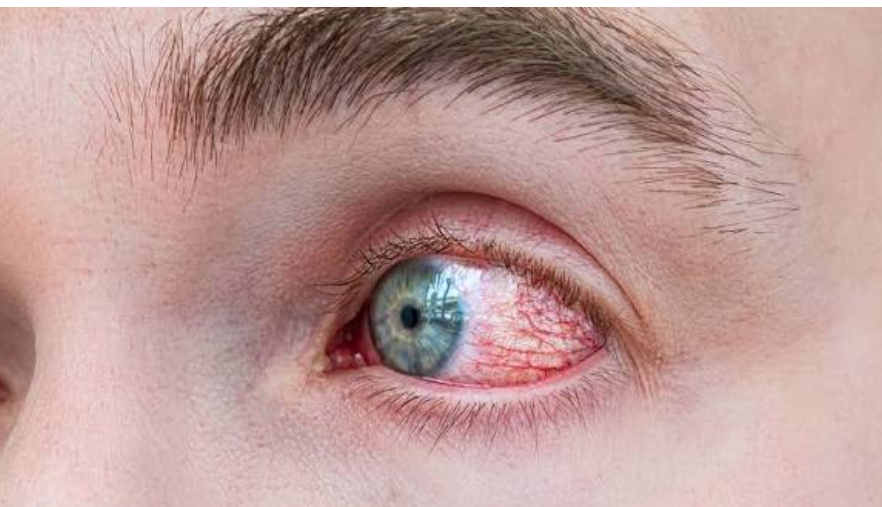
No. Eye strain can cause tired, uncomfortable or aching eyes, particularly after prolonged visual tasks. It may improve after rest or reducing the activity that triggered it. Eye pain, particularly severe, persistent or sudden pain, can have many other causes. Pain accompanied by vision changes, significant redness, light sensitivity, nausea or injury should not simply be labelled as eye strain.
Final Takeaway
Eye pain can have many causes, from dry eyes and minor irritation to corneal problems, infections, inflammation and urgent conditions such as acute angle-closure glaucoma. The most important factor is not simply how much your eye hurts, but what other symptoms occur with the pain. If you experience sudden vision loss, severe eye pain, significant light sensitivity, a very red eye, severe headache with nausea, a serious injury or a foreign object in the eye, seek urgent medical attention. When eye pain persists or keeps returning, a comprehensive eye examination can help identify the underlying cause and guide appropriate treatment.