
Blurry vision can happen occasionally after a long day, while using screens, or when your eyes feel dry. But if your blurry vision keeps returning, becomes worse, affects one eye, or starts suddenly, it should not be ignored. Blurred vision is not a disease by itself. It is a symptom that can have many possible causes. Sometimes the reason is simple, such as an outdated glasses prescription or dry eyes. In other cases, blurry eyesight can be associated with conditions such as cataracts, glaucoma, diabetic retinopathy, corneal problems, or retinal disorders.The pattern of your symptoms matters. For example, difficulty seeing distant objects may suggest myopia, while difficulty seeing close objects can occur with hyperopia or age-related presbyopia. Sudden flashes, many new floaters, or a curtain-like shadow can indicate a retinal emergency. In this guide, we explain the common blurred vision causes, what different patterns of blurry eyesight may mean, when sudden blurry vision requires urgent attention, and how an eye specialist can identify the underlying problem.
What Does Blurry Vision Mean?
Blurry vision means objects may appear out of focus, hazy, cloudy, distorted, or less sharp than usual. It may affect:
- One eye
- Both eyes
- Near vision
- Distance vision
- Central vision
- Peripheral vision
- Vision continuously or only occasionally
The severity can also vary. Some people notice mild haziness, while others may have significant difficulty reading, driving, recognizing faces, or performing everyday activities. Because different eye conditions can produce similar symptoms, it is not always possible to identify the cause based on symptoms alone.
Common Causes of Blurry Vision
There are many possible reasons for blurry eyesight. Some are common and relatively straightforward to correct, while others require medical evaluation.
1. Refractive Errors
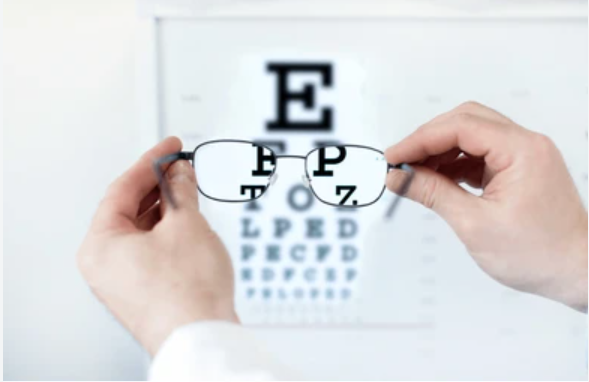
One of the most common causes of blurry vision is a refractive error. Refractive errors occur when the shape of the eye prevents light from focusing correctly on the retina. Common types include:
- Myopia
- Hyperopia
- Astigmatism
- Presbyopia
Myopia generally makes distant objects appear blurry. Hyperopia can make nearby objects difficult to see clearly. Astigmatism may cause blurry or distorted vision at different distances, while presbyopia commonly causes difficulty with near vision as people get older.
Signs that your blurry vision may be related to your prescription
You may notice:
- Squinting to see clearly
- Difficulty reading signs
- Headaches
- Eye strain
- Difficulty focusing
- Blurry distance vision
- Blurry near vision
- Frequent changes in your glasses prescription
If you already wear glasses or contact lenses but your vision remains blurry, your prescription may need to be reassessed.
2. Dry Eyes

Dry eye is another common reason for temporary or fluctuating blurry vision. Your eyes need a healthy tear film to remain comfortable and maintain a smooth optical surface. When your eyes do not produce enough tears or the tears do not work properly, you may experience burning, scratchiness, redness and blurry vision.
Dry eye-related blurry vision may be associated with:
- Burning or stinging
- Gritty sensation
- Redness
- Light sensitivity
- Eye fatigue
- Fluctuating vision
- Increased discomfort after screen use
Long periods of screen use can also contribute to dry-eye symptoms because people may blink less frequently while concentrating on a screen. If your blurry vision improves after blinking or resting your eyes but keeps returning, dry eye may be one possible factor.
3. Cataracts

A cataract occurs when the natural lens inside the eye becomes cloudy. Cataracts commonly develop with age and can gradually cause blurry or hazy vision. Other symptoms may include faded colors, difficulty seeing at night, sensitivity to bright lights, halos around lights and sometimes double vision.
You may notice:
- Gradually worsening blurry vision
- Difficulty driving at night
- Headlights appearing too bright
- Halos around lights
- Faded colors
- Frequent changes in glasses prescription
Cataracts usually develop gradually rather than causing sudden blurry vision. When cataract-related vision changes begin interfering with everyday activities, an ophthalmologist can assess the cataract and discuss appropriate treatment options.
Related reading: [Cataract Symptoms, Causes, Treatment & Prevention]
4. Glaucoma

Comprehensive eye examination using specialized equipment to evaluate eye health and screen for glaucoma. Glaucoma is a group of eye diseases that can damage the optic nerve. Some forms of glaucoma can develop without obvious symptoms in the early stages, which is one reason regular eye examinations are important. However, acute angle-closure glaucoma can cause sudden symptoms such as:
- Severe eye pain
- Red eye
- Nausea
- Blurry vision
These symptoms require immediate medical attention. Not every person with blurry vision has glaucoma, but unexplained vision changes should be evaluated rather than self-diagnosed.
5. Diabetic Retinopathy
People with diabetes can develop diabetic retinopathy, which affects blood vessels in the retina. An important point is that diabetic retinopathy may have no noticeable symptoms in its early stages. Later, it can cause blurry vision, floating spots and vision loss. Diabetes can also contribute to diabetic macular edema, in which fluid accumulates in the macula and causes blurry central vision.
If you have diabetes
Regular comprehensive eye examinations are particularly important. Early detection allows eye-care professionals to monitor retinal changes and recommend appropriate management.
6. Age-Related Macular Degeneration
Age-related macular degeneration, or AMD, affects the macula, which is responsible for detailed central vision. Depending on its stage, AMD may cause:
- Mild central blurriness
- Difficulty seeing in low light
- A blurry area in the center of vision
- Difficulty reading
- Straight lines appearing wavy or crooked
- Blank areas in central vision
Straight lines appearing wavy can be an important warning sign that needs eye-specialist evaluation. AMD is more common with increasing age, so persistent central vision changes in older adults should not simply be attributed to “normal aging.”
7. Corneal Problems
The cornea is the clear front surface of your eye and plays an important role in focusing light. Corneal problems can cause blurry vision along with symptoms such as:
- Eye pain
- Redness
- Watery eyes
- Light sensitivity
- Foreign-body sensation
Corneal conditions can include injuries, infections, inflammation, dry eye and other disorders. Contact lens wearers should be particularly careful if blurry vision occurs together with eye pain or redness because some contact-lens-related corneal infections require prompt treatment.
8. Eye Infections and Inflammation
Eye infections or inflammation can temporarily affect vision. Depending on the condition, you may also experience:
- Redness
- Discharge
- Swelling
- Pain
- Sensitivity to light
- Watering
- Blurry vision
Do not assume that every red or irritated eye is harmless, particularly if vision changes are also present.
9. Too Much Screen Time and Eye Strain
Spending many hours looking at computers, phones or tablets may contribute to eye discomfort and fluctuating vision. Screen-related symptoms can include:
- Temporary blurry vision
- Dryness
- Burning
- Eye strain
- Headaches
- Difficulty focusing
Screen use does not mean that every episode of blurry vision is caused by a computer or phone. Persistent symptoms should still be evaluated. Simple habits such as taking regular breaks, blinking frequently and managing screen glare may improve comfort.
10. Contact Lens Problems
Contact lenses can provide clear vision when fitted and used correctly. However, problems such as an incorrectly positioned lens, deposits, dryness or improper lens care can affect visual clarity. If you wear contact lenses and develop blurry vision with eye pain, redness or significant discomfort, seek prompt professional evaluation. Corneal infections associated with contact lens use can affect vision. Never continue wearing contact lenses simply to “see if the problem goes away” when significant symptoms are present.
11. Retinal Problems
The retina is the light-sensitive tissue at the back of the eye. Problems affecting the retina can cause sudden or gradual changes in vision. One important emergency is retinal detachment.
Warning signs include:
- Sudden increase in floaters
- Flashes of light
- A dark shadow
- A curtain-like area over your vision
- Sudden reduction in vision
Retinal detachment is a medical emergency because delayed treatment can increase the risk of permanent vision loss.
Sudden Blurry Vision: When Should You Worry?
Sudden blurry vision deserves more attention than gradually changing eyesight. Seek urgent medical attention if blurry vision starts suddenly, particularly if it is accompanied by:
- Severe eye pain
- Red eye
- Sudden loss of vision
- Flashes of light
- A sudden increase in floaters
- A dark curtain or shadow
- Significant headache with visual changes
- Double vision
- Eye injury
- Severe light sensitivity
Sudden loss of vision from one or both eyes requires emergency evaluation. A sudden change in vision should not be assumed to be caused by tiredness or screen time.
Why Is My Vision Blurry in One Eye?
Blurry eyesight does not always affect both eyes equally. If only one eye is blurry, possible causes can include:
- Refractive error
- Dry eye
- Corneal problems
- Cataract
- Retinal conditions
- Optic nerve problems
- Other eye diseases
The exact cause cannot be determined from the symptom alone. Try covering one eye at a time and noticing whether the change is present in one eye or both. However, this is only useful information to report to your eye doctor—not a substitute for an examination.
Why Is My Vision Blurry in the Morning?
Blurry vision in the morning can have several possible explanations. For example, some people experience temporary visual fluctuation related to dryness or the tear film. Contact lens use, eyelid problems or other eye-surface conditions can also contribute. However, if morning blurry vision is persistent, worsening, or associated with pain, redness or other visual changes, arrange an eye examination.
How Is the Cause of Blurry Vision Diagnosed?
An eye specialist will usually begin by asking about your symptoms and medical history. You may be asked:
- When did the blurry vision begin?
- Is it constant or intermittent?
- Is one eye or both eyes affected?
- Is your near or distance vision affected?
- Do you experience pain?
- Do you see flashes or floaters?
- Do you have diabetes or other health conditions?
- Do you wear glasses or contact lenses?
- Have you had previous eye surgery or injury?
Tests may include:
Vision Testing
An eye chart helps measure how clearly you see at different distances.
Refraction
Refraction testing helps determine whether glasses or contact lenses could improve vision.
Slit-Lamp Examination
A slit lamp allows the doctor to examine structures at the front of the eye, including the cornea, lens and other tissues.
Dilated Eye Examination
Dilating the pupils allows the eye specialist to examine the retina and other structures inside the eye. It can help detect conditions such as diabetic retinopathy, glaucoma and AMD.
Additional Tests
Depending on your symptoms, your ophthalmologist may recommend additional imaging or specialized tests. The appropriate tests depend on the suspected cause.
Can Blurry Vision Be Treated?
Yes, but treatment depends entirely on the underlying cause. Possible approaches include:
- Updated eyeglasses or contact lenses for refractive errors
- Dry-eye treatment
- Prescription medication for certain eye conditions
- Cataract surgery when cataracts significantly affect vision
- Laser or surgical treatment for selected retinal or corneal conditions
- Treatment for diabetic eye disease
- Glaucoma treatment to control the disease and protect vision
There is no single treatment for blurry vision because blurry vision is a symptom rather than a single disease.
How Can You Protect Your Vision?
While not every cause of blurry vision can be prevented, healthy eye habits can support long-term eye health.
Helpful habits include:
- Schedule comprehensive eye examinations as recommended.
- Wear appropriate UV-protective sunglasses outdoors.
- Use protective eyewear during risky activities.
- Follow proper contact lens hygiene.
- Take regular breaks during prolonged screen use.
- Avoid rubbing your eyes.
- Manage diabetes and other health conditions with your healthcare team.
- Seek medical attention for unexplained vision changes.
- Know your family history of eye diseases.
Most importantly, don’t ignore persistent changes in your vision.
When Should You See an Ophthalmologist?
Book an eye examination if:
- Your blurry vision continues.
- Your glasses no longer seem effective.
- Your vision is gradually becoming worse.
- You have repeated episodes of blurry eyesight.
- One eye is noticeably different from the other.
- You have difficulty reading or driving.
- You experience flashes or new floaters.
- You have diabetes.
- You have a family history of eye disease.
Seek urgent care for:
Sudden vision loss, sudden severe blurry vision, flashes with many new floaters, a curtain-like shadow, severe eye pain, or significant vision changes after an eye injury.
Blurry Vision: Common Causes at a Glance
| Possible Cause | Typical Clues |
| Refractive error | Blurry near or distance vision, squinting |
| Dry eye | Burning, scratchiness, fluctuating blurry vision |
| Cataract | Gradual haze, glare, faded colors |
| Glaucoma | Often few early symptoms; some acute forms cause pain and blurry vision |
| Diabetic retinopathy | Vision changes, floaters, especially with diabetes |
| AMD | Central blurry or distorted vision |
| Corneal problem | Blurry vision with pain, redness or watering |
| Contact lens problem | Blurry vision, dryness or discomfort |
| Retinal detachment | Flashes, sudden floaters, curtain/shadow |
These patterns are clues, not diagnoses. Several eye conditions can produce similar symptoms.
Final Takeaway
Blurry vision can have many causes, from a simple change in glasses prescription to conditions affecting the cornea, lens, retina or optic nerve. The pattern matters. Gradual blurry vision may be related to refractive errors or cataracts, while fluctuating vision can occur with dry eye. Diabetes can affect the retina, and sudden flashes, new floaters or a curtain-like shadow can signal a retinal emergency. If your blurry eyesight is persistent, unexplained or getting worse, a comprehensive eye examination can help identify the cause and guide appropriate treatment.