
LASIK eye surgery helps suitable patients reduce their dependence on glasses or contact lenses by reshaping the cornea with a laser. Although many people recover well, some experience dryness, irritation or fluctuating vision after the procedure. Understanding why dry eyes after LASIK occur can help you recognise symptoms and seek appropriate care. Dry eye is one of the most common LASIK side effects. It can happen because the procedure temporarily affects the corneal nerves involved in tear production and the normal feedback system that keeps the eye moist. Changes in the tear film, inflammation and pre-existing dry eye can also contribute. For many patients, symptoms improve as healing progresses. However, dryness may last for several months, and a small number of people experience persistent symptoms. The severity and duration vary from person to person. This guide explains the causes of post-LASIK dry eye, its symptoms, risk factors, diagnosis, treatment options and ways to support eye comfort. Dr. Ripan Kaur Kamra provides eye-care services in Hisar, Haryana, where patients can seek professional guidance about eye health and vision-correction options.
What Are Dry Eyes After LASIK?
Dry eye occurs when the eyes do not produce enough tears, when tears evaporate too quickly, or when the tear film does not maintain a healthy, stable surface. Tears do more than keep the eyes wet: they lubricate the surface, help protect it and support clear vision. After LASIK, the surface of the eye may temporarily become less sensitive and the tear system may not respond as efficiently as before. This can cause symptoms even when the eyes appear relatively normal. Post LASIK dry eye may cause:
- Burning, stinging or a gritty sensation.
- A feeling that something is stuck in the eye.
- Redness or irritation.
- Blurred or fluctuating vision.
- Sensitivity to light.
- Eye discomfort during reading or screen use.
- Excessive watering despite feeling dry.
Dryness does not automatically mean that the surgery has failed. However, persistent or worsening symptoms should be assessed by an ophthalmologist rather than self-diagnosed.
Why Do Dry Eyes After LASIK Happen?
1. LASIK Affects Corneal Nerves
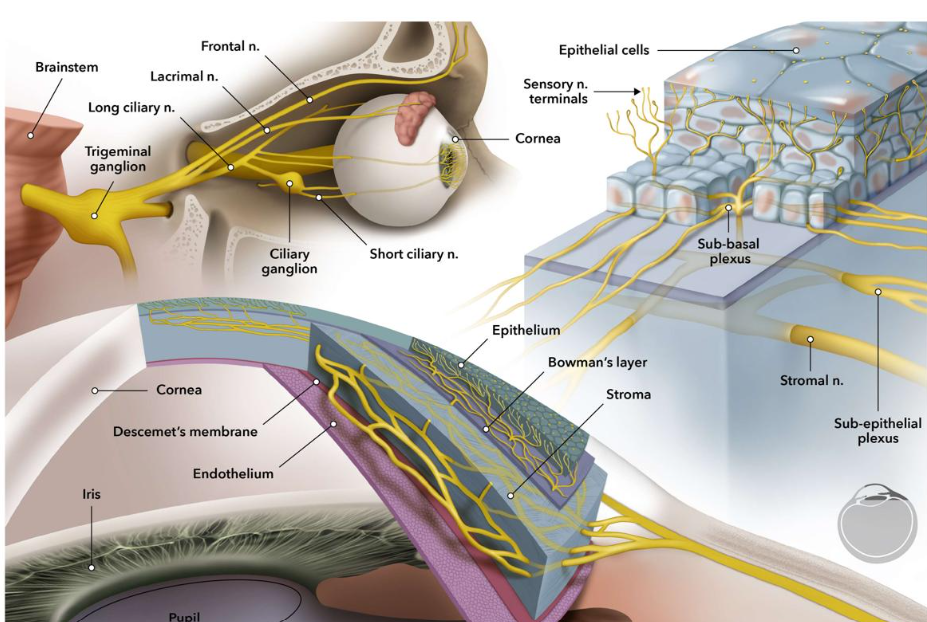
The cornea is the clear front surface of the eye. It contains sensory nerves that help detect dryness and irritation and signal the body to maintain the tear film. During LASIK, the surgeon creates a thin flap in the cornea and reshapes the underlying tissue with a laser. This process affects some corneal nerves. As a result, the normal feedback between the cornea, blinking and tear production may be temporarily disrupted. The eye may not respond to dryness as effectively during early healing. This is one of the main reasons patients develop dry-eye symptoms after LASIK. Corneal nerves recover over time, but the process varies between individuals.
2. The Tear Film Becomes Less Stable
A healthy tear film spreads over the eye with each blink. It contains components that help keep the surface smooth and prevent tears from evaporating too quickly. After LASIK, changes in corneal sensation and the ocular surface can make the tear film less stable. Tears may break up more quickly between blinks, leaving areas of the surface insufficiently lubricated. When the tear film becomes uneven, vision may temporarily fluctuate. A person might notice clearer vision after blinking, followed by blur that returns a short time later.
3. The Eye Surface Experiences Temporary Inflammation
Surgery creates a controlled healing response. In some patients, inflammation and changes to the eye’s surface can contribute to irritation and dryness. The eyelids, oil-producing meibomian glands and tear film all play a role in eye comfort. If these structures are already affected by inflammation or gland dysfunction, symptoms may become more noticeable after LASIK.
4. Blinking Patterns Can Make Symptoms Worse
People often blink less frequently or incompletely while concentrating on computers, phones, reading or detailed tasks. This can allow tears to evaporate and make dryness more noticeable. Screen use does not necessarily damage the surgical result, but it may aggravate symptoms in someone whose tear film is already unstable.
5. Existing Dry Eye May Become More Noticeable
Some people have dry eye before LASIK but experience only mild symptoms or do not recognise them. The procedure may worsen the existing condition. That is why preoperative screening matters. Your ophthalmologist should ask about dryness, contact lens use, eye irritation, medications and other factors that may affect the tear film.
What Are the Common Symptoms of Post-LASIK Dry Eye?
Symptoms can range from mild and occasional to persistent and uncomfortable. They may also change throughout the day.
Burning, Stinging or Grittiness
The eyes may feel sandy, scratchy or irritated, particularly during the early healing period. This sensation can become more noticeable in air-conditioned rooms, windy environments or after prolonged screen use.
Blurry or Fluctuating Vision
An unstable tear film can affect how light passes through the eye. Vision may become clearer after blinking or using prescribed lubricating drops, then blur again. Do not assume that every change in vision is caused by dryness. Sudden or worsening blur requires prompt medical assessment.
Redness and Light Sensitivity
Some patients notice mild redness or sensitivity to bright light. These symptoms should be monitored, especially if they are increasing rather than improving.
Excessive Watering
Watery eyes can seem surprising when the underlying problem is dryness. Irritation may trigger reflex tearing, but those tears may not provide stable, lasting lubrication.
Eye Fatigue During Reading or Screen Use
Dryness can make reading, driving at night or concentrating on a screen uncomfortable. Take breaks and discuss persistent symptoms with your ophthalmologist.
Read here: Dry Eye Causes, Symptoms & Treatment
Who Is More Likely to Experience Dry Eyes After LASIK?
Not everyone develops the same degree of dryness. Certain factors may increase the risk or make symptoms more persistent.
People With Dry Eye Before Surgery
Pre-existing dry eye is an important risk factor. Symptoms and the condition of the eye surface should be evaluated before deciding whether LASIK is suitable.
People With Eyelid or Meibomian Gland Problems
The meibomian glands produce oils that slow tear evaporation. Dysfunction of these glands, blepharitis or eyelid inflammation may worsen tear-film instability.
Contact Lens Wearers
Long-term contact lens use can be associated with ocular-surface discomfort in some people. Tell your ophthalmologist about your contact lens history and any dryness you experienced before surgery.
People Taking Certain Medicines
Some medicines, including certain antihistamines and other drugs that affect tear production, may contribute to dryness. Never stop prescribed medication on your own; ask your doctor whether your medicines could be contributing.
People With Other Health Conditions
Some systemic conditions can affect tear production or the ocular surface. Your doctor may need to consider these conditions when assessing symptoms and deciding on treatment. A detailed preoperative eye examination can identify many risk factors, but no test can guarantee whether a person will or will not develop dry eye after LASIK.
How Is Dry Eye Diagnosed After LASIK?
If symptoms continue, an ophthalmologist can assess the tear film and the surface of the eye. The evaluation may include:
Medical and Symptom History
Your doctor may ask when symptoms began, whether they are getting better, which activities make them worse and whether you had dryness before surgery. They may also review your medications and medical history.
Examination of the Eye Surface
A slit-lamp examination allows the doctor to examine the cornea, conjunctiva and eyelids. Special dyes may be used to identify areas where the surface is not adequately protected by tears.
Tear-Film and Tear-Production Tests
Depending on your symptoms, your doctor may assess how long the tear film remains stable between blinks or measure tear production. Not every patient needs every test.
Assessment for Other Causes
Dryness can overlap with eyelid inflammation, infection, corneal problems or other conditions. If symptoms are severe, unusual or disproportionate to examination findings, further evaluation may be necessary.
How Can Dry Eyes After LASIK Be Treated?
Treatment depends on the cause and severity of symptoms. Do not start prescription eye medicines or change your postoperative medication without consulting your ophthalmologist.
1. Lubricating Eye Drops
Artificial tears are commonly used to relieve dryness and improve comfort. Your surgeon may recommend a particular formulation and tell you how often to use it. If you need drops frequently, ask whether preservative-free artificial tears would be appropriate. Avoid using unapproved redness-relief drops or products intended for another person.
2. Prescription Treatment When Needed
If dryness persists or inflammation is contributing, an ophthalmologist may recommend prescription treatment. Depending on the diagnosis, options may include anti-inflammatory eye drops or other therapies that help improve tear production or ocular-surface health. These treatments are not suitable for everyone and may take time to work. Use them only under professional guidance.
3. Managing Eyelid and Oil-Gland Problems
If meibomian gland dysfunction or blepharitis is contributing to dryness, your doctor may recommend eyelid hygiene, warm compresses or specific treatment. Do not apply heat or perform eyelid treatments during the early postoperative period unless your surgeon confirms that they are safe.
4. Other Treatments for Persistent Dry Eye
For selected patients whose symptoms do not improve with initial treatment, an ophthalmologist may consider options such as tear-conservation procedures or specialist dry-eye therapies. The appropriate choice depends on examination findings and the cause of symptoms. Persistent pain that seems unusually severe compared with the visible signs of dryness may require additional evaluation rather than simply increasing lubricating drops.
Practical Tips to Reduce Dryness After LASIK
Along with your prescribed treatment, these habits may help improve comfort.
Take Regular Breaks From Screens

Take regular screen breaks after 40 to support eye comfort and reduce digital eye strain. During long periods of computer or mobile use, pause regularly and blink fully. Increase text size when needed and position the screen at a comfortable distance.
Avoid Direct Airflow
Fans, air conditioners, heaters and car vents can increase tear evaporation. Avoid directing airflow straight at your eyes, and consider a humidifier in a very dry indoor environment.
Stay Away From Smoke and Dust
Smoke, dust and strong fumes can irritate the ocular surface. Reduce exposure where possible, particularly while your eyes are healing.
Follow Your Prescribed Eye-Drop Schedule
Keep your drops accessible and use them as directed. Do not substitute home remedies, rose water or herbal products for medical treatment.
Attend Follow-Up Visits
Follow-up appointments allow your ophthalmologist to monitor the cornea, tear film and visual recovery. Report symptoms even if you think they are minor, especially if they are persistent or getting worse.
Can Dry Eyes After LASIK Become Permanent?
Most post-LASIK dry-eye symptoms improve over time, often over several months. However, some patients experience longer-lasting dryness, and a small number may have persistent symptoms. The duration depends on factors such as pre-existing dry eye, ocular-surface health, nerve recovery and other medical conditions. It is not possible to predict an exact recovery time for every patient. Persistent symptoms do not necessarily mean that permanent damage has occurred. An eye examination can help identify the cause and guide treatment. If dryness affects your daily life, do not simply accept it as something you must tolerate.
Read here: What Tests Are Done Before Eye Surgery?
When Should You Contact Your Ophthalmologist?
Seek urgent medical advice if you experience severe or increasing pain, sudden or worsening vision, marked redness, significant light sensitivity, discharge or any new symptom that concerns you after LASIK. Do not wait for a routine appointment if your symptoms are severe or worsening. Prompt assessment is important because some postoperative problems need immediate treatment.
Frequently Asked Questions (FAQs)
1. Are dry eyes normal after LASIK?
Dry-eye symptoms are common after LASIK because the procedure affects corneal nerves and the tear-film feedback system. Symptoms vary in severity, and persistent or worsening dryness should be assessed.
2. How long do dry eyes last after LASIK?
Many patients improve over several weeks to a few months, but some experience symptoms for longer. Your ophthalmologist can assess your progress and recommend treatment.
3. Why do my eyes water if they are dry after LASIK?
Dryness can irritate the eye and trigger reflex tearing. These extra tears may not maintain a stable tear film, so the eyes can water while still feeling dry.
4. Can I use artificial tears after LASIK?
Artificial tears are commonly recommended, but follow your surgeon’s instructions about which product to use and how often. Ask whether preservative-free drops are appropriate if frequent lubrication is needed.
5. Can using a laptop worsen post-LASIK dry eye?
Long screen sessions can reduce blinking and make dryness more noticeable. Take breaks, blink fully and use prescribed lubricating drops as advised.
6. Does having dry eyes before LASIK increase the risk?
Yes. Pre-existing dry eye may worsen after LASIK. Tell your ophthalmologist about your symptoms so the eye surface can be evaluated and treated before surgery if necessary.
7. Can dry eyes cause blurry vision after LASIK?
An unstable tear film can cause vision to fluctuate. However, sudden or worsening blur should not automatically be attributed to dryness; seek prompt medical assessment.
8. Should I stop my prescribed LASIK eye drops if my eyes feel dry?
No. Do not stop or change prescribed medicines without speaking to your surgeon. Your doctor can determine whether your treatment needs adjustment.
9. Can I use home remedies for dry eyes after LASIK?
Avoid putting rose water, herbal preparations or other unapproved products into the eyes. Use only treatments recommended by your eye-care professional.
10. When should I seek help for dry eyes after LASIK?
Arrange an examination if dryness persists, interferes with daily activities or is not improving as expected. Severe pain, sudden vision changes or worsening symptoms need urgent medical attention.
Read here: How Long Does LASIK Recovery Take?
Conclusion
Dry eyes after LASIK occur mainly because the procedure affects corneal nerves and the normal tear-film feedback system. Changes to tear stability, inflammation and pre-existing eye-surface problems may also contribute. Many patients improve with time and appropriate care, but recovery varies. Using recommended lubricating drops, taking screen breaks, avoiding direct airflow and attending follow-up visits can help manage symptoms. Persistent dryness should be evaluated rather than treated with unapproved drops or home remedies. If you are considering LASIK or are experiencing post-LASIK dry eye, an individual eye examination can help you understand your options and receive care appropriate to your symptoms.