
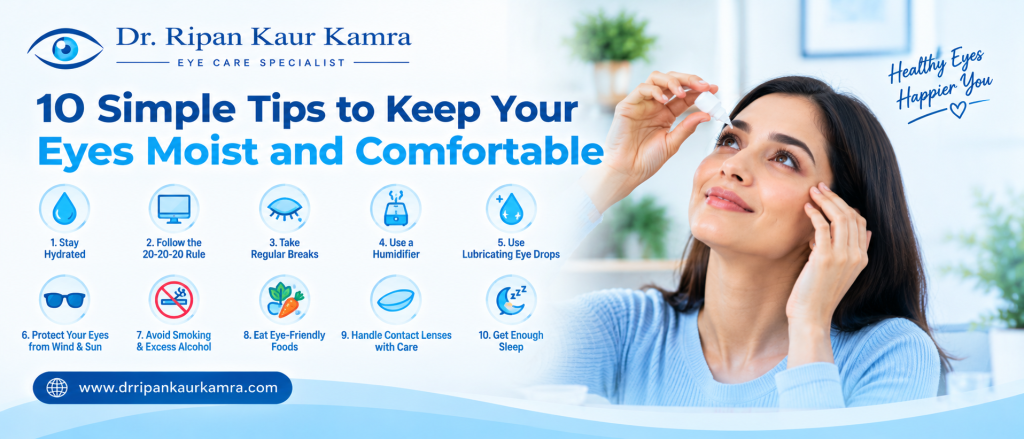
Dry, irritated eyes can make everyday activities such as reading, working on a computer, driving or using a mobile phone uncomfortable. You may experience burning, stinging, redness, a gritty sensation or blurred vision that comes and goes. Fortunately, a few practical habits may provide dry eye relief and help keep your eyes more comfortable throughout the day Dry eye occurs when your eyes do not produce enough tears or when tears evaporate too quickly or do not function properly. The tear film is essential for keeping the surface of the eye smooth, comfortable and healthy. When this protective layer becomes unstable, irritation and visual discomfort can develop. The good news is that simple dry eye tips, such as blinking fully, taking screen breaks, reducing exposure to dry air and using suitable lubricating drops, may help manage mild symptoms. However, persistent dryness can sometimes be related to eyelid conditions, medicines or other health problems that require professional evaluation. In this guide, Dr. Ripan Kaur Kamra’s patients and other readers looking for reliable eye-care information can learn ten practical ways to improve eye comfort, support eye lubrication and reduce common dry-eye triggers.
What Causes Dry, Uncomfortable Eyes?
Before exploring the tips, it helps to understand why your eyes may feel dry. Your tears contain different components that work together to protect and lubricate the eye. Every time you blink, a fresh layer of tears spreads across the cornea. Dry eye may develop when tear production is insufficient, tears evaporate too quickly or the tear film does not work properly. Common contributing factors include:
- Long periods of computer, tablet or mobile use.
- Air conditioning, heating, wind, smoke and dusty environments.
- Age-related changes and hormonal changes.
- Contact lens wear.
- Eyelid inflammation or meibomian gland dysfunction.
- Certain medicines or underlying medical conditions.
- Previous eye surgery, including some types of laser vision correction.
The right approach depends on the underlying cause. The following tips may improve comfort, but they cannot replace an eye examination when symptoms persist.
Read here: Dry Eye Causes, Symptoms & Treatment
10 Simple Tips for Dry Eye Relief
1. Blink Fully and Regularly
Blinking is one of the simplest ways to maintain eye lubrication. Each blink helps spread tears across the eye’s surface, keeping it moist and helping the tear film remain smooth. When you concentrate on a screen, read for long periods or perform detailed work, you may blink less often or incompletely. This can allow tears to evaporate more quickly and make dryness more noticeable. What you can do:
- Make a conscious effort to blink fully while working.
- Relax your eyelids rather than staring continuously at the screen.
- Take short breaks during reading and other close-up activities.
- If your eyes feel dry, pause and blink gently several times.
Avoid squeezing your eyelids tightly. The aim is to blink naturally and completely, not to strain your eyes.
2. Take Regular Breaks From Screens

Take regular screen breaks after 40 to support eye comfort and reduce digital eye strain. Computers and mobile phones are common sources of temporary eye discomfort because screen use often reduces blinking. Long periods of close-up work can make existing dry-eye symptoms more noticeable. Try the 20-20-20 rule: every 20 minutes, look at an object about 20 feet away for at least 20 seconds. This is primarily a way to reduce digital eye strain; combine it with regular blinking to help manage dryness. Other useful screen habits include:
- Position your monitor about an arm’s length away, when practical.
- Place the screen slightly below eye level.
- Adjust brightness and text size for comfortable viewing.
- Reduce glare from windows and overhead lighting.
- Take longer breaks when your eyes begin to feel tired.
Screen breaks do not cure every cause of dry eye, but they can reduce avoidable discomfort during work.
3. Use Suitable Lubricating Eye Drops
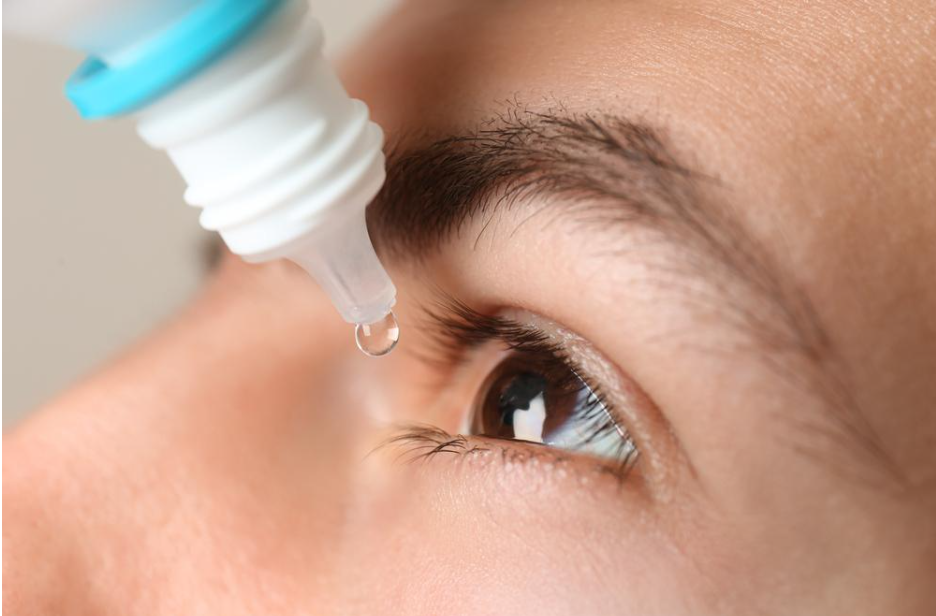
Artificial tears are commonly used for mild dry-eye symptoms. They help supplement the natural tear film and may reduce burning, grittiness and irritation. Different formulations are available, including standard artificial tears, preservative-free drops, thicker gels and ointments. The best option depends on how often you need lubrication, the severity of symptoms and your eye health. Tips for using artificial tears:
- Choose a product recommended by your ophthalmologist or pharmacist.
- Wash your hands before applying drops.
- Avoid touching the bottle tip to your eye or other surfaces.
- Follow the label and your doctor’s instructions.
- Ask whether preservative-free drops are suitable if you need frequent use.
Gels and ointments may provide longer-lasting lubrication but can temporarily blur vision, so they are often used at bedtime when recommended. Do not use leftover prescription drops, steroid drops or redness-relief products as a substitute for lubricating tears unless your ophthalmologist advises you to do so.
4. Reduce Direct Airflow Around Your Eyes
Air conditioning, fans, heaters and car vents can increase tear evaporation, particularly in dry indoor environments. Wind and smoke may also irritate the eye surface. Small changes to your surroundings can make a difference:
- Avoid directing a fan or air-conditioning vent towards your face.
- Adjust car vents so air does not blow directly into your eyes.
- Wear wraparound sunglasses outdoors when wind is a trigger.
- Avoid smoke and dusty environments where possible.
- Consider a humidifier if indoor air is consistently dry.
Keep humidifiers clean and follow the manufacturer’s maintenance instructions. A humidifier may improve comfort in dry rooms, but it will not treat every underlying cause of dry eye.
5. Keep Your Eyelids Clean and Comfortable
The eyelids contain oil-producing meibomian glands that help slow the evaporation of tears. If these glands become blocked or inflamed, the tear film may become less stable. People with eyelid inflammation or meibomian gland dysfunction may benefit from a care routine recommended by their eye-care professional. Depending on the diagnosis, this may include:
- Gentle eyelid hygiene using an appropriate product.
- Warm compresses to help soften oils in the eyelid glands.
- A specific eyelid-cleaning routine.
- Treatment for blepharitis or other eyelid conditions.
Do not place very hot compresses on your eyelids or scrub the eye surface. If you have recently had eye surgery, seek your surgeon’s approval before starting warm compresses or eyelid massage.
6. Stay Hydrated and Eat a Balanced Diet

Drinking enough water supports general health, including normal body functions involved in maintaining moisture. If you are dehydrated, replenishing fluids may help your overall comfort, although drinking extra water alone does not cure dry-eye disease. Aim for regular fluid intake according to your needs and any medical advice you have received. People who have been told to restrict fluids should follow their clinician’s guidance. Research on omega-3 supplements for dry eye has produced mixed results. Do not assume that supplements will relieve symptoms, and ask your doctor before taking them, especially if you use blood-thinning medicines or have other health conditions.
7. Get Enough Sleep and Rest Your Eyes
Insufficient sleep can make your eyes feel tired, irritated or uncomfortable. A consistent sleep schedule may support general wellbeing and help you manage screen-related fatigue. To support comfortable eyes:
- Keep a regular bedtime and wake-up time.
- Reduce prolonged screen use before sleeping.
- Avoid sleeping with contact lenses unless specifically prescribed for overnight use.
- Use lubricating drops or ointment at bedtime only if appropriate for your symptoms and recommended by your clinician.
If you regularly wake with very dry eyes, pain or difficulty opening your eyelids, discuss the symptoms with an ophthalmologist. Possible causes include tear-film problems, eyelid conditions or incomplete eyelid closure during sleep.
8. Wear Protective Eyewear in Windy or Dusty Conditions
Wind, dust and airborne particles can irritate the eyes and increase tear evaporation. Protective eyewear can be useful when spending time outdoors or performing tasks that expose your eyes to irritants. Consider wraparound sunglasses when walking or cycling in windy conditions. Use suitable protective eyewear for gardening, cleaning, construction or other work that produces particles. Ordinary sunglasses may improve comfort outdoors, but they do not replace safety glasses when there is a risk of flying debris. Choose eye protection suitable for the activity. If a particle enters your eye, avoid rubbing it. Seek medical advice if irritation persists, pain develops or your vision changes.
9. Review Contact Lens Habits and Medicines
Contact lenses can contribute to dryness or discomfort in some people. If your eyes become dry while wearing lenses, reduce wear as advised, switch to glasses when appropriate and speak with your eye-care professional about lens fit and wearing time. Never sleep in contact lenses unless your eye-care professional has specifically prescribed an approved overnight-wear regimen. If you develop redness, pain, light sensitivity or blurred vision while wearing lenses, remove them and seek prompt medical advice. Some medicines, including certain antihistamines, antidepressants and blood-pressure medicines, can contribute to dry-eye symptoms. Do not stop a prescribed medicine yourself. Ask your doctor whether your medicines may be affecting your eyes and whether alternatives are appropriate.
10. Get an Eye Examination if Dryness Persists
Lifestyle changes can help, but ongoing symptoms deserve professional attention. Dry eye can have several causes, and treatment is more effective when it addresses the underlying problem. An ophthalmologist may examine your eyelids and eye surface, assess the tear film and measure tear production when necessary. Depending on the findings, treatment may involve artificial tears, prescription medicines, eyelid care or other dry-eye therapies. Book an examination if your eyes remain dry despite basic care, symptoms interfere with reading or work, or you frequently need lubricating drops. A professional assessment can also help rule out other conditions that cause similar symptoms.
Dry Eye Prevention: Build a Simple Daily Routine
Consistency can make these habits easier to follow. Here is an example routine you can adapt to your day.
In the morning
- Follow your usual eye-care routine.
- Use prescribed drops if instructed.
- Avoid directing fans or air conditioning towards your face.
During work or study
- Blink fully and take regular screen breaks.
- Keep the monitor at a comfortable distance and slightly below eye level.
- Use suitable lubricating drops when needed and as directed.
When outdoors
- Wear sunglasses or protective eyewear when wind, bright light or dust is a trigger.
- Avoid smoky or highly irritating environments where possible.
In the evening
- Reduce continuous screen use and allow time to rest.
- Follow any recommended eyelid-care routine.
- Get enough sleep and maintain regular hydration.
This routine may help reduce everyday triggers, but it should be adapted to your symptoms and your ophthalmologist’s advice.
Read here: Dry Eyes After LASIK
When Should You Seek Medical Help for Dry Eyes?
Do not rely on home care alone if you experience persistent or worsening dryness, recurrent redness or symptoms that affect daily activities. Seek urgent eye care if you develop severe eye pain, sudden or worsening vision changes, marked redness, significant light sensitivity or a painful red eye while wearing contact lenses. These symptoms may indicate a problem that needs prompt assessment.
Frequently Asked Questions (FAQs)
1. What is the fastest way to get dry eye relief?
Suitable artificial tears may provide temporary relief. Taking screen breaks, blinking fully and avoiding direct airflow can also help. Persistent symptoms should be assessed to identify the cause.
2. How can I keep my eyes moist naturally?
Blink regularly, take breaks from screens, avoid smoke and direct airflow, stay hydrated and consider a humidifier in a dry room. These habits may help, but some people need lubricating drops or medical treatment.
3. How often can I use artificial tears?
It depends on the product and your symptoms. Follow the label and your clinician’s advice. If you need drops frequently, ask whether preservative-free artificial tears are appropriate.
4. Does drinking more water cure dry eyes?
No. Maintaining normal hydration supports general health, but dry eye can result from tear-film instability, eyelid conditions, medicines or other causes that require specific treatment.
5. Can mobile phones cause dry eyes?
Prolonged screen use can reduce blinking and make dryness more noticeable. Regular breaks, full blinking and suitable lubricating drops may help reduce discomfort.
6. Are warm compresses good for dry eyes?
They may help some people whose dry eye is associated with meibomian gland dysfunction. Use them only when appropriate and follow your eye-care professional’s instructions, especially after surgery.
7. Which foods help with dry eye?
A balanced diet supports overall health. Foods containing omega-3 fatty acids, such as oily fish, walnuts and certain seeds, can be part of that diet, but no single food is a proven cure for dry eye.
8. Can dry eyes go away on their own?
Temporary dryness caused by environmental conditions or prolonged screen use may improve when the trigger is reduced. Chronic dry eye may need ongoing management and professional assessment.
9. When should I see an eye doctor for dry eyes?
Seek an examination if symptoms persist, worsen, interfere with daily activities or do not improve with basic measures. Severe pain, significant redness or vision changes require urgent assessment.
10. Are redness-relief eye drops the same as lubricating drops?
No. Redness-relief products and artificial tears serve different purposes. Do not use redness-relief drops as a substitute for dry-eye treatment without professional advice.
Conclusion
Keeping your eyes moist and comfortable often starts with simple habits: blink fully, take regular screen breaks, reduce direct airflow, use suitable lubricating drops and protect your eyes from wind and dust. Good sleep, balanced nutrition and appropriate eyelid care may also help support everyday comfort. These dry eye tips can be useful, but they are not a replacement for diagnosis when symptoms persist. Dry eye can result from several different causes, so the right treatment depends on your eye health and individual needs. If dryness is affecting your daily routine, arrange an eye examination to understand the cause and discuss suitable options for long-term comfort.