
Cataract surgery can help restore clearer vision when a cloudy natural lens interferes with everyday activities such as reading, driving or recognising faces. One of the most common questions patients ask before the procedure is: How long does cataract surgery recovery take? For many people, vision begins to improve within a few days, while complete healing generally takes several weeks. However, the exact cataract surgery recovery time varies depending on the eye’s condition, the type and complexity of surgery, existing eye diseases and how carefully post-operative instructions are followed. Understanding the cataract recovery period can help you prepare for daily activities, use prescribed eye drops correctly and recognise symptoms that require medical attention.
What Is the Typical Cataract Surgery Recovery Time?
Most people can return to many light daily activities within a few days after uncomplicated cataract surgery. Vision may continue improving over the following days and weeks, and complete healing commonly takes around eight weeks. Some patients may need more time, particularly if they have other eye conditions or experience complications. It is important to understand that improved vision and complete healing are not the same thing. You may see better relatively soon after surgery, but the eye still needs time to heal. Your ophthalmologist will assess your recovery and advise you when it is safe to resume specific activities, drive, exercise or obtain a new glasses prescription.
Read More : Eye care habits after 40
Cataract Surgery Recovery Timeline
First 24 hours: Your vision may be blurry, and you may notice mild irritation, watering or sensitivity to light. Rest and follow the instructions provided by your surgical team.
Days 2–7: Many patients notice gradual improvement in vision. Mild grittiness, redness or light sensitivity may remain, but symptoms should generally improve rather than worsen.
Weeks 2–4: The eye continues healing, and vision may become more stable. You should continue prescribed eye drops and attend your scheduled follow-up appointments.
These time frames are general estimates, not a guarantee. Your individual recovery plan may be different.
What Happens During Healing After Cataract Surgery?
During cataract surgery, the cloudy natural lens is removed and replaced with an artificial intraocular lens (IOL). The procedure usually involves a small incision, which begins healing soon after surgery. After the operation, the eye needs time to settle, inflammation to reduce and the surface tissues to recover. Your brain may also need time to adjust to the new optical system, especially if your glasses prescription has changed.
Why Vision May Be Blurry at First
Temporary blurry vision can occur for several reasons, including:
- Normal post-operative inflammation or swelling.
- The effect of dilating eye drops used around the time of surgery.
- Dryness or irritation of the eye’s surface.
- Adjustment to the new intraocular lens.
- Other existing eye conditions that affect vision.
Some blurriness can be expected in the early recovery period. However, sudden, severe or worsening blurriness should not be ignored. Contact your eye surgeon promptly if your vision deteriorates or does not improve as expected.
Does Everyone Recover at the Same Speed?
No. Several factors can affect healing after cataract surgery, including:
- The density or maturity of the cataract.
- The complexity of the operation.
- Pre-existing dry eye or corneal conditions.
- Diabetes or other health conditions.
- Glaucoma, macular degeneration or diabetic retinopathy.
- Inflammation or other post-operative complications.
- Whether the patient follows the prescribed treatment and activity restrictions.
Cataract surgery removes the cloudy lens, but it cannot reverse vision loss caused by every other eye condition. Your ophthalmologist can explain what improvement is realistic for your eyes.
Cataract Recovery Period: What to Expect Week by Week
The First Day After Surgery

You may feel tired after the procedure, and your operated eye may be watery, mildly uncomfortable or sensitive to bright light. Your vision may initially be hazy.Follow your surgeon’s instructions about the eye shield, cleaning around the eyelids and starting prescribed medication. Arrange for someone to take you home if required, and do not drive yourself. Avoid touching, pressing or rubbing the operated eye. Attend the first follow-up visit at the time recommended by your surgeon.
The First Week
During the first week, vision often begins to improve, although some patients continue to experience mild blurriness or a scratchy sensation. Your priorities should be protecting the eye, using medication correctly and avoiding activities that could expose it to injury or contamination.
- Use prescribed eye drops exactly as instructed.
- Wash your hands before handling eye medication.
- Avoid rubbing or pressing the eye.
- Keep soap, shampoo and unclean water away from the operated eye.
- Wear the protective shield for as long as your surgeon recommends.
- Avoid heavy lifting, strenuous exercise and swimming until cleared.
- Attend your follow-up appointment.
Do not stop prescribed drops simply because your vision feels better.
Weeks Two to Four
During this stage, many patients feel more comfortable and can gradually return to more everyday activities. However, the eye may still be healing, and some dryness, glare or fluctuating vision can persist. Your surgeon will guide you about returning to work, exercising, using eye makeup and resuming other activities. The timing depends on your recovery and the nature of your work or routine. If your vision improves and then becomes worse, or if pain and redness increase, seek prompt medical advice rather than assuming the symptoms are part of normal healing.
Weeks Four to Eight
For many people, the eye is substantially healed by this stage. Your ophthalmologist will assess your vision, examine the eye and advise whether any further treatment or a glasses prescription is needed. Some patients heal sooner, while others take longer. Dry eye, corneal conditions, retinal problems or complications may affect the recovery timeline. Continue following your doctor’s advice even if you feel completely comfortable.
Read More: Dry eye causes, symptoms and treatment
How to Speed Up Recovery After Cataract Surgery Safely
You cannot force the eye to heal faster, but you can support recovery by following your surgeon’s instructions and avoiding unnecessary risks.
1. Use Eye Drops as Prescribed
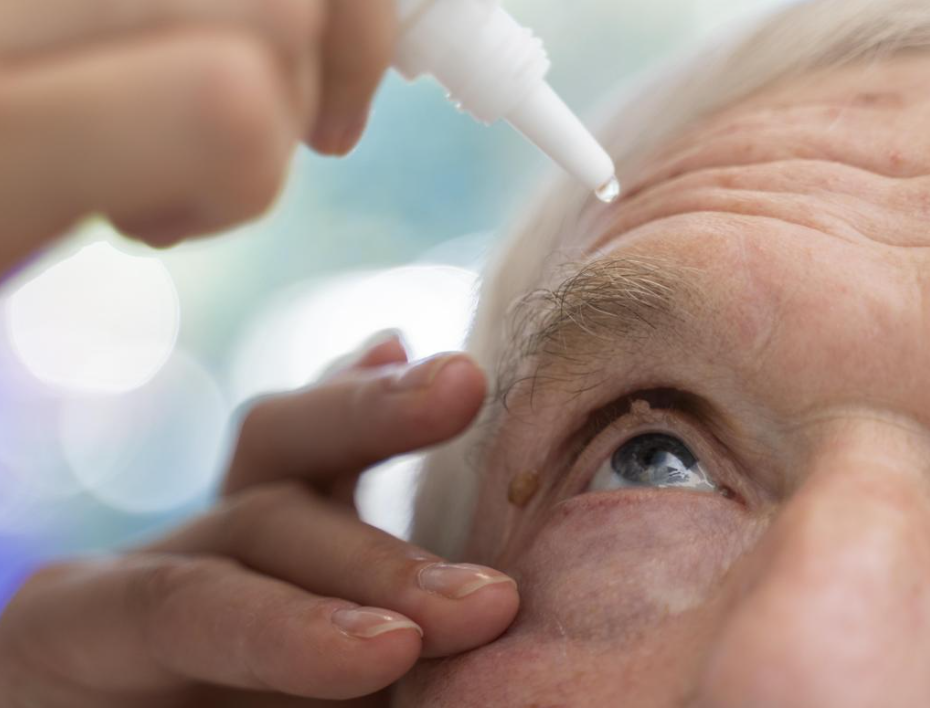
Your ophthalmologist may prescribe antibiotic, anti-inflammatory or other eye drops depending on your needs. These medicines help manage infection risk and inflammation. To use drops safely:
- Wash your hands before application.
- Follow the prescribed dose and schedule.
- Avoid touching the bottle tip to your eye, eyelids or fingers.
- Leave the interval recommended by your doctor between different drops.
- Do not change or stop medication without medical advice.
If you miss a dose or experience a reaction, ask your healthcare team what to do.
2. Protect Your Eye From Rubbing and Injury
Rubbing the operated eye can interfere with healing and may introduce germs. Be careful while changing clothes, washing your face or sleeping. Use a protective shield at night if recommended. If your eye waters, gently wipe around the eyelids with a clean tissue without pressing on the eyeball.
3. Follow Activity Restrictions
Light walking may be possible soon after uncomplicated surgery, but heavy lifting, strenuous exercise and activities with a risk of impact may need to be postponed. Avoid swimming and getting unclean water in the eye until your surgeon says it is safe. Ask when you can return to gardening, sports, gym workouts or physically demanding work. There is no single activity schedule that suits everyone. Your surgeon’s instructions should take priority over general online advice.
4. Attend Follow-Up Appointments
Follow-up visits allow your ophthalmologist to check healing, measure vision where appropriate and identify complications early. Do not skip a scheduled examination simply because your vision appears clear. If symptoms worsen before your appointment, contact your eye-care team immediately.
5. Wear Sunglasses if Light Feels Uncomfortable
Some light sensitivity can occur after surgery. Sunglasses may help you feel more comfortable outdoors, but they do not replace medical assessment if light sensitivity is severe or increasing.
6. Give Your Eyes Time to Adjust
Avoid judging your final result based only on the first day or two. Vision can fluctuate while the eye heals, and some people need a new glasses prescription after recovery. Be patient, but do not ignore symptoms that are severe, new or worsening.
When Can You Resume Normal Activities After Cataract Surgery?
The right time to return to normal activities depends on your healing, vision and surgeon’s advice.
Reading, Watching Television and Using a Computer
Many people can resume reading, television and computer use relatively soon, as comfort allows. Take breaks if your eyes feel tired or dry, and follow any specific instructions from your surgeon.
Driving
Do not drive until your vision meets the required standard and your ophthalmologist confirms it is safe. Blurred vision, glare, poor depth perception or surgery on only one eye can affect driving ability.
Bathing and Washing Your Hair
Follow your clinic’s instructions to prevent soap, shampoo or water from entering the operated eye. Avoid rubbing the eyelids or directing water at the eye.
Exercise and Heavy Lifting
Light activity may be allowed early, but strenuous exercise and heavy lifting should wait until your surgeon clears you. The appropriate timeline depends on the procedure and your recovery.
Swimming and Eye Makeup
Swimming can expose the eye to water and microorganisms, while eye makeup can introduce irritation or contamination. Wait until your ophthalmologist confirms these activities are safe.
Returning to Work
Desk-based work may be possible sooner than work involving heavy physical effort, dust, chemicals or a risk of eye injury. Discuss your job duties with your surgeon before deciding when to return.
Warning Signs During Cataract Surgery Recovery
Mild irritation, temporary blurry vision, watering and light sensitivity can occur during early healing. However, certain symptoms may indicate a serious problem and require urgent assessment. Contact your eye surgeon or seek urgent eye care immediately if you experience:
- Severe or increasing eye pain.
- Sudden loss of vision or rapidly worsening vision.
- Increasing redness or swelling.
- New flashes of light or a sudden increase in floaters.
- A dark curtain or shadow across your vision.
- Significant discharge or rapidly worsening symptoms.
- Severe light sensitivity, especially with pain or reduced vision.
Do not wait for a routine appointment if these symptoms develop. Prompt assessment is important because some complications need urgent treatment.
Does Cataract Surgery Recovery Take Longer in Some Patients?
Yes. Recovery can take longer when a patient has other eye or health conditions.
Patients With Diabetes
Diabetes can affect the eyes and may influence healing, particularly when diabetic retinopathy or other complications are present. Blood sugar management and the recommended eye follow-up plan are important.
Patients With Dry Eye
Dryness may cause burning, grittiness, fluctuating vision or discomfort after surgery. If these symptoms persist, consult your ophthalmologist rather than starting new medication without advice.
Patients With Glaucoma or Retinal Conditions
Glaucoma, macular degeneration and diabetic retinopathy may limit visual improvement even when the cataract has been successfully removed. Your surgeon may recommend additional monitoring based on your condition.
Older Adults
Age alone does not determine recovery time. General health, the condition of the eye, the complexity of surgery and support with post-operative care all matter.
When Should You Get a New Glasses Prescription?
Your glasses prescription may change after cataract surgery. Your ophthalmologist will decide when your vision is stable enough for a reliable prescription, often after several weeks. The timing can vary according to the type of lens implanted, whether one or both eyes have been treated and how the eye is healing. Do not purchase expensive new glasses too early unless your eye-care professional advises it. Some people still need glasses for reading, distance vision or specific tasks after surgery.
Frequently Asked Questions About Cataract Surgery Recovery Time
1. How long does it take to recover after cataract surgery?
Many people resume light daily activities within a few days. Vision may improve over days or weeks, while complete healing commonly takes around eight weeks. Individual recovery varies.
2. How many days does blurry vision last after cataract surgery?
Blurry vision may last for several hours, days or sometimes longer, depending on healing and other eye conditions. It should generally improve. Sudden or worsening blurriness needs urgent medical assessment.
3. Is it normal to have discomfort after cataract surgery?
Mild irritation, watering or a scratchy feeling can occur during early healing. Severe or increasing pain is not something to ignore; contact your surgeon promptly.
4. When can I watch TV after cataract surgery?
Many patients can watch television when comfortable, often on the day of surgery or soon afterward. Follow your surgeon’s advice and take breaks if your eyes feel tired.
5. When can I use my phone after cataract surgery?
Phone use is often possible relatively soon if comfortable. Adjust brightness, take breaks and stop if you develop discomfort. Follow any individual restrictions provided by your surgeon.
6. When can I drive after cataract surgery?
Drive only when your vision is adequate and your ophthalmologist confirms it is safe. Do not drive while vision is blurred or affected by glare.
7. Can I bend down after cataract surgery?
Your surgeon may advise avoiding bending or placing your head below your waist during the early recovery period. Follow the specific instructions given for your procedure.
8. How long should I use eye drops after cataract surgery?
Many patients use prescribed drops for several weeks, but the exact duration depends on the medication and healing. Do not stop or change the schedule without medical advice.
9. When can I exercise after cataract surgery?
Light walking may be possible early, but strenuous exercise, heavy lifting and swimming may need to wait. Ask your surgeon when each activity is safe for you.
10. What should I do if my vision gets worse after cataract surgery?
Seek urgent advice from your eye surgeon if your vision suddenly worsens, you develop severe pain or redness, or you notice new flashes or a curtain-like shadow. Do not wait for your next routine check-up.
Consult Dr. Ripan Kaur Kamra for Cataract and Eye-Care Guidance
Understanding the cataract surgery recovery time helps you prepare for the healing process, but your own recovery depends on your eye health and the details of your procedure. Following your ophthalmologist’s instructions, attending follow-up visits and reporting unusual symptoms can help you recover safely.