

Eye surgery can help treat different vision problems and eye conditions, but proper recovery and follow-up care are essential. After an operation, some people experience temporary irritation, mild discomfort, watering or blurred vision. These symptoms may be expected after certain procedures, but severe pain, worsening vision, increasing redness or unusual discharge should never be ignored. Recognising the warning signs early can help patients receive timely assessment and treatment. Whether you have undergone cataract surgery, LASIK, glaucoma surgery, retinal surgery or another eye procedure, it is important to understand which symptoms require immediate medical attention. In this guide, we explain the most important complications after eye surgery, common eye surgery warning signs, possible causes of pain after eye surgery, and what to do if you notice vision loss after surgery. Important: If you have sudden vision loss, severe eye pain or a sudden curtain-like shadow in your vision after surgery, seek emergency eye care immediately. Do not wait for your next scheduled appointment or rely on online advice.
Read here: How to Prepare for Eye Surgery
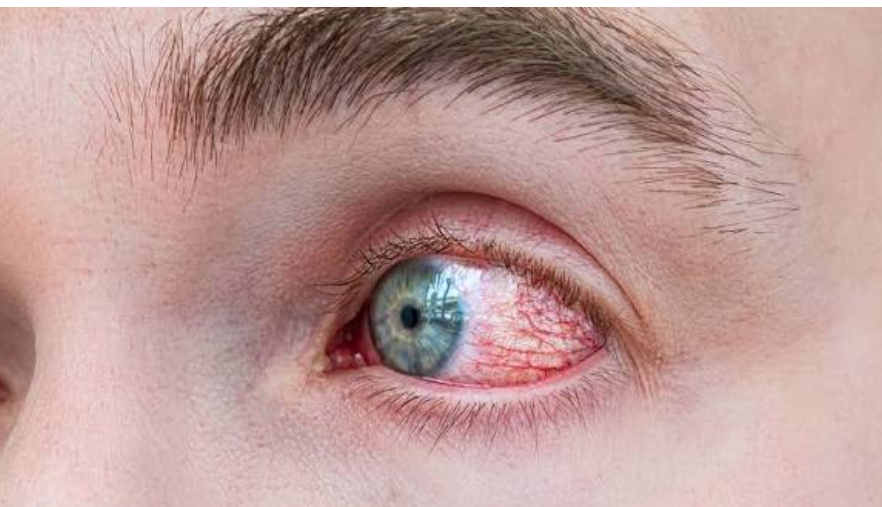
What Are the Warning Signs After Eye Surgery?
The warning signs after eye surgery depend on the procedure performed and your individual eye condition. Some symptoms may be part of normal healing, while others may indicate infection, inflammation, raised eye pressure, bleeding or a retinal problem. Contact your operating surgeon or an eye emergency service promptly if you notice:
- Severe or increasing eye pain.
- Sudden or worsening loss of vision.
- Increasing redness or swelling.
- Sticky, yellow or green discharge.
- New flashes of light or a sudden increase in floaters.
- A dark shadow or curtain moving across your vision.
- Increasing sensitivity to light, particularly with pain or blurred vision.
- Symptoms that improve initially but then become worse.
These symptoms do not automatically mean that a serious complication has occurred. However, they require appropriate assessment because some postoperative problems need urgent treatment.
Read here: What Tests Are Done Before Eye Surgery?
7 Major Eye Surgery Warning Signs You Should Never Ignore
1. Severe or Increasing Pain After Eye Surgery
Mild irritation, a gritty sensation or temporary discomfort can occur after some eye procedures. However, severe pain or pain that becomes worse instead of improving is not something to dismiss as normal healing. Possible reasons include inflammation, increased pressure inside the eye, infection or another postoperative problem. The cause cannot be identified reliably from pain alone. Watch for pain accompanied by:
- Increasing redness.
- Blurred or reduced vision.
- Headache, nausea or vomiting.
- Marked sensitivity to light.
- Increasing eyelid swelling.
What should you do? Contact your surgeon or an emergency eye service immediately if the pain is severe, worsening or accompanied by vision changes. Do not wait to see whether it settles overnight.
2. Sudden or Worsening Vision Loss After Surgery
Some procedures may cause temporary blurring while the eye heals. However, sudden vision loss after surgery, or vision that becomes progressively worse, needs urgent medical evaluation. Possible causes vary according to the procedure and may include bleeding, infection, significant inflammation, increased eye pressure or retinal complications. Warning symptoms include:
- A sudden reduction in the ability to see.
- A new dark area or missing part of your visual field.
- Vision that becomes cloudy after initially improving.
- New distortion or difficulty recognising objects.
- A curtain-like shadow moving across your vision.
What should you do? Seek emergency eye care immediately for sudden vision loss. Do not drive yourself. Prompt assessment is important because some causes can threaten sight if treatment is delayed.
Read here: Eye Care Habits After 40
3. Increasing Redness or Swelling

A small amount of redness may occur after some procedures, and the pattern of healing varies. The concern is redness that increases, becomes painful or occurs with other new symptoms. Increasing redness may be associated with irritation, inflammation or infection. Swelling around the eyelids may also occur after certain operations, but significant or worsening swelling should be reported to your surgical team. Seek prompt medical advice if redness or swelling occurs alongside:
- Severe or increasing pain.
- Reduced vision.
- Light sensitivity.
- Unusual discharge.
- Fever or feeling generally unwell.
Do not assume that a red eye is harmless simply because surgery was performed recently. The operating surgeon can determine whether the appearance is consistent with expected recovery.
4. Sticky or Unusual Discharge From the Eye
Watery eyes can occur after some procedures. However, thick, sticky, yellow or green discharge, particularly when accompanied by redness, pain or reduced vision, needs prompt medical attention. Discharge may indicate infection or another problem affecting the eye or surrounding tissues. It is not possible to confirm the cause based on discharge colour alone. If you notice unusual discharge:
- Contact your eye surgeon promptly.
- Wash your hands before using prescribed eye drops.
- Avoid rubbing or pressing the operated eye.
- Do not use leftover antibiotic drops or someone else’s medication.
- Follow the cleaning instructions provided by your surgical team.
If discharge is accompanied by severe pain or worsening vision, seek emergency care rather than waiting for a routine appointment.
5. Flashes of Light, New Floaters or a Dark Curtain
Flashes of light, floating spots or thread-like shapes in the field of vision can sometimes indicate a problem involving the retina. A sudden increase in floaters, repeated flashes or a dark curtain across the vision may be warning signs of a retinal tear or retinal detachment. These symptoms are particularly important after eye surgery because some procedures and underlying eye conditions can affect retinal risk. Seek urgent assessment if you experience:
- A sudden shower of new floaters.
- New or repeated flashes of light.
- A dark shadow or curtain over part of your vision.
- Sudden distortion or loss of peripheral vision.
Do not wait for pain to develop. Retinal problems may occur without significant pain, and early evaluation can be crucial.
6. Increasing Sensitivity to Light
Temporary light sensitivity can occur after certain eye procedures. However, marked or increasing sensitivity—especially when accompanied by pain, redness, watering or blurred vision—should be assessed. Possible causes include inflammation, corneal irritation or infection, depending on the procedure and examination findings. Avoid bright light if it worsens discomfort, but do not use sunglasses or eye rest as a substitute for medical evaluation when other warning signs are present. Contact your surgeon promptly if light sensitivity is severe, worsening or associated with changes in vision.
7. Symptoms That Improve and Then Become Worse
Recovery does not follow exactly the same timeline for everyone. After some procedures, vision or comfort may improve gradually over days or weeks. However, a noticeable deterioration after initial improvement deserves medical attention. For example, a patient may feel more comfortable initially but later develop increasing pain, redness, discharge or blurred vision. Such changes can indicate a complication that needs assessment. Do not increase, stop or change prescribed medication on your own. Contact your surgical team and explain when the symptoms began, how they have changed and which medicines you are using.
What Complications After Eye Surgery Can Cause These Symptoms?
Complications differ between cataract surgery, LASIK, glaucoma surgery, retinal surgery and eyelid procedures. Not every symptom indicates a complication, and not every complication causes the same symptoms.
Eye Infection
An infection may cause increasing pain, redness, discharge, light sensitivity or reduced vision. Some infections inside the eye can progress quickly and threaten sight. Symptoms suggesting infection after surgery require urgent medical assessment.
Inflammation
Inflammation is part of the body’s response to surgery, but excessive or worsening inflammation may affect comfort and vision. Your doctor may need to examine the eye and adjust treatment.
Raised Eye Pressure
Pressure inside the eye can increase after certain procedures or due to postoperative factors. Depending on the severity, symptoms may include pain, blurred vision, headache, nausea or vomiting. Some patients may have few obvious symptoms, so follow-up pressure checks can be important.
Bleeding or Retinal Problems
Bleeding or problems affecting the retina can cause visual changes, floaters, flashes or areas of missing vision. Sudden changes should be evaluated urgently.
Corneal or Healing-Related Problems
The cornea is the clear front surface of the eye. Depending on the procedure, irritation, surface damage, delayed healing or dryness may affect comfort and vision. Persistent or worsening symptoms need an examination to identify the cause.
Problems Related to an Intraocular Lens
After cataract surgery or certain lens procedures, changes in vision may sometimes relate to the artificial lens or other structures inside the eye. Cloudiness developing later may have a different cause from sudden vision loss immediately after surgery. Your ophthalmologist can distinguish between these possibilities through examination. These examples are not a complete list. The specific risks depend on your procedure, medical history and postoperative findings.
Normal Recovery Symptoms vs Warning Signs
| Symptom | What it may mean | Recommended action |
| Mild, improving irritation | May occur during healing after some procedures | Follow your surgeon’s instructions |
| Mild temporary blurring | May be expected after certain procedures | Follow the prescribed follow-up plan; report worsening |
| Severe or increasing pain | Possible complication | Seek urgent assessment |
| Sudden vision loss | Potential sight-threatening problem | Emergency eye care immediately |
| Increasing redness with pain | Possible inflammation or infection | Contact your surgeon urgently |
| Sticky or unusual discharge | Possible infection or other problem | Prompt medical assessment |
| New flashes or a sudden increase in floaters | Possible retinal problem | Urgent eye assessment |
| Dark curtain or shadow over vision | Possible retinal detachment or other serious problem | Emergency assessment immediately |
This table is general guidance, not a diagnosis. Your surgeon’s procedure-specific instructions take priority, and any sudden or severe change warrants urgent evaluation.
What Should You Do If You Notice a Warning Sign?
Knowing how to respond can help prevent delays in treatment.
Step 1: Contact Your Eye Surgeon or Emergency Eye Service
Explain the procedure you had, when it was performed, which eye is affected and what symptoms you have noticed. Be clear if your pain is severe or your vision has suddenly changed.
Step 2: Do Not Wait for Your Next Appointment
Do not postpone urgent assessment because your follow-up visit is scheduled for the next day or later in the week. Sudden vision loss, severe pain, new flashes with a curtain-like shadow or rapidly worsening symptoms require emergency evaluation.
Step 3: Use Medicines Only as Prescribed
Use your prescribed drops according to the instructions provided. Do not add, stop, share or change eye medication without medical advice. If you think a medicine is causing a reaction, contact your clinician promptly for instructions.
Step 4: Protect the Operated Eye
Avoid rubbing, pressing or touching the eye unnecessarily. Follow your procedure-specific instructions about eye shields, bathing, exercise, bending, swimming and other activities. Do not put home remedies or unprescribed substances into the eye.
Step 5: Arrange Safe Transport
If your vision is impaired or you have severe pain, do not drive yourself. Ask someone to accompany you or arrange appropriate emergency transport.
How Can You Reduce the Risk of Complications After Eye Surgery?
Not every complication can be prevented, but careful aftercare and timely follow-up can help identify problems early.
Follow Your Prescribed Eye-Drop Schedule
Use the correct medication at the prescribed times. Wash your hands before applying drops and avoid touching the dropper tip to the eye, fingers or other surfaces.
Attend All Follow-Up Appointments
Follow-up visits allow your ophthalmologist to assess healing, vision, eye pressure or other procedure-specific factors. Attend appointments even if you feel well, unless your treating team changes the plan.
Avoid Rubbing or Pressing the Eye
Rubbing can interfere with healing and may increase the risk of injury. Follow your surgeon’s advice regarding eye shields and protection during sleep or daily activities.
Follow Activity Restrictions
The restrictions depend on the type of surgery. Your doctor may advise you to avoid swimming, strenuous exercise, heavy lifting, eye makeup or certain activities for a specific period. Do not assume that instructions for one procedure apply to another.
Report Changes Early
Keep track of symptoms and seek advice if they worsen or do not follow the expected recovery pattern. Early communication with your eye care team is safer than trying to diagnose a complication yourself.
When Should You See Dr. Ripan Kaur Kamra?
If you have concerns about recovery after eye surgery, an ophthalmologist can assess your symptoms, examine the eye and determine whether further investigation or treatment is needed. Dr. Ripan Kaur Kamra, MBBS, MS (Ophthalmology), Gold Medalist, provides ophthalmic care in Hisar, Haryana. Patients looking for best eye care in Hisar should consider factors such as appropriate specialist assessment, clear postoperative instructions, access to follow-up and timely guidance when symptoms change. Arrange a medical review if you have persistent discomfort, ongoing blurred vision, increasing redness or other symptoms that concern you. If you have sudden vision loss, severe eye pain or a curtain-like shadow, seek emergency care immediately rather than waiting for a routine consultation.
Frequently Asked Questions (FAQs)
1. What are the most common warning signs after eye surgery?
Important warning signs include severe or increasing pain, worsening vision, increasing redness or swelling, unusual discharge, new flashes, a sudden increase in floaters and a dark shadow over the vision. The significance of each symptom depends on the procedure, but severe or sudden symptoms need urgent assessment.
2. Is pain after eye surgery normal?
Mild discomfort or a gritty sensation may occur after some procedures. Severe, persistent or increasing pain is not something to ignore, particularly if it occurs with redness, light sensitivity, nausea or vision changes. Contact your surgeon promptly or seek emergency care when symptoms are severe.
3. Is blurred vision normal after eye surgery?
Temporary blurred vision may occur during recovery after certain procedures. However, sudden, severe or worsening blurring—or vision that deteriorates after initially improving—requires prompt medical advice. Sudden vision loss should be treated as an emergency.
4. Can vision loss after surgery be permanent?
Some causes of postoperative vision loss can be treated, but others can result in lasting damage. The outcome depends on the cause, severity and timing of treatment. Seek emergency care for sudden vision loss rather than waiting for symptoms to improve.
5. How do I know if my eye is infected after surgery?
Increasing pain, redness, unusual discharge, light sensitivity and reduced vision may suggest infection, although these symptoms can also have other causes. An eye examination is needed to determine the reason. Contact your surgeon urgently if you develop these symptoms.
6. Are flashes and floaters after eye surgery dangerous?
Not every floater is dangerous, but new flashes, a sudden increase in floaters or a dark curtain or shadow may indicate a retinal tear or detachment. These symptoms require urgent eye assessment, even if there is no pain.
7. Should I stop my eye drops if my eye becomes red?
Do not stop, add or change prescribed eye drops without medical advice unless you are experiencing an emergency reaction requiring immediate care. Contact your surgeon for instructions, particularly if redness is worsening or accompanied by pain or vision changes.
8. Can complications appear days or weeks after surgery?
Yes. Some postoperative problems can appear after the initial recovery period. Seek medical advice if new symptoms develop, if recovery stops progressing as expected or if symptoms return after improvement.
9. Should I wait until morning if my eye hurts after surgery?
Do not wait if the pain is severe, worsening or accompanied by sudden vision changes, marked redness, vomiting or other concerning symptoms. Seek emergency eye care. For mild symptoms, follow the specific instructions given by your surgical team and contact them if you are unsure.
10. When should I go to an emergency department after eye surgery?
Seek emergency care for sudden vision loss, severe eye pain, a new curtain-like shadow, or rapidly worsening symptoms. If you cannot reach your surgeon and symptoms are urgent, go to the nearest emergency department that can arrange eye assessment.
Final Takeaway
Recovery after eye surgery varies according to the procedure and individual healing. Mild, improving discomfort may occur, but severe pain, sudden vision loss, increasing redness, unusual discharge and new retinal warning symptoms should not be ignored. Knowing the eye surgery warning signs and contacting an ophthalmologist promptly can help ensure that potential complications are assessed without unnecessary delay. Follow your prescribed aftercare plan, attend scheduled check-ups and seek emergency care when symptoms are sudden or severe.