
Preparing for eye surgery is not only about knowing what to do—it is also about understanding what you should avoid before the procedure. Small details such as wearing contact lenses, using eye makeup, taking certain medicines or ignoring a new illness can affect your examination, measurements, surgical planning or safety. However, preparation is not the same for every eye surgery. Cataract surgery, LASIK, glaucoma procedures and other eye operations can have different requirements. Your ophthalmologist should always provide the final instructions for your specific procedure. This guide explains the most important before eye surgery precautions, what patients commonly need to avoid and how to prepare for a smoother surgical experience.
Why Is It Important to Know What to Avoid Before Eye Surgery?
Before surgery, your ophthalmologist may perform detailed examinations and measurements of your eyes. Depending on the procedure, these can help assess the cornea, eye pressure, lens, retina, tear film or other structures. Certain things can interfere with these measurements or increase avoidable risks. For example, contact lenses can temporarily change the shape of the cornea. This is particularly important before refractive procedures such as LASIK because inaccurate measurements can affect surgical planning. Similarly, eye makeup and products around the eyelids may need to be avoided because debris around the eyelashes can contribute to infection risk.
1. Don’t Wear Contact Lenses Without Asking Your Doctor
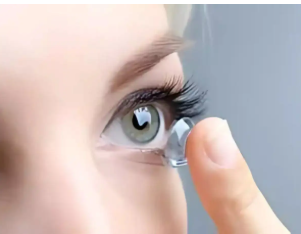
One of the most important things to avoid before surgery is continuing contact lens use when your surgeon has asked you to stop. Contact lenses can temporarily alter the shape of the cornea. This can affect measurements required for procedures such as LASIK and, in some situations, cataract surgery. The required period without lenses depends on:
- Type of contact lens
- Duration of wear
- Type of eye surgery
- Your eye measurements
- Your surgeon’s protocol
For LASIK evaluation, the FDA notes that different lens types may require different periods without wearing lenses before measurements.
What should you do?
Ask your ophthalmologist exactly when to stop wearing your lenses and use glasses during that period if recommended. Never choose the stopping period yourself based on a general online guideline.
2. Avoid Eye Makeup Before Surgery
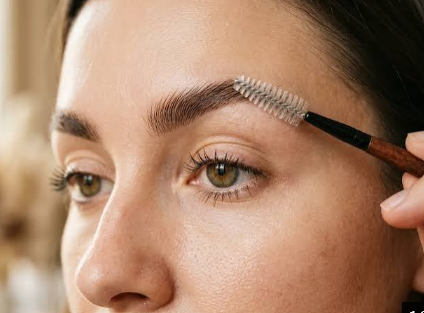
Eye makeup is another important consideration. Before many eye procedures, patients are instructed to avoid:
- Mascara
- Eyeliner
- Eye shadow
- Kajal
- False eyelashes
- Eyelash glue
Makeup residue can remain around the eyelashes and eyelids. Some surgical instructions specifically recommend removing makeup before the procedure to reduce contamination and infection risk.
A simple rule
If your surgery is approaching, keep the eye area clean and follow the specific hygiene instructions given by your surgical team.
3. Don’t Stop Prescription Medicines on Your Own
This is one of the most important before eye surgery precautions. Patients sometimes assume that they should stop all medicines before surgery. That is not safe. Some medicines may need to be continued, while others may need temporary adjustment depending on the procedure and your medical condition. Your ophthalmologist needs to know about:
- Prescription medicines
- Over-the-counter medicines
- Blood-thinning medicines
- Vitamins
- Herbal supplements
- Other supplements
- Regular eye drops
The NEI advises patients to tell their eye doctor about all medications before cataract surgery because some medicines may need temporary adjustment.
Important
Do not stop blood thinners or other regular medicines without medical advice. Your eye surgeon may need to coordinate with the doctor who prescribed the medicine.
4. Don’t Hide Your Medical History
Your ophthalmologist needs accurate information about your health before surgery. Avoid assuming that an old medical condition is irrelevant. Tell your doctor if you have:
- Diabetes
- High blood pressure
- Autoimmune conditions
- Previous eye disease
- Previous eye surgery
- Allergies
- Current infections
- Problems with healing
- Any recent change in your health
For LASIK, the FDA specifically recommends discussing current and previous medical and eye conditions, medications and allergies with the doctor.
Why does this matter?
Your medical history can influence:
- Surgical suitability
- Choice of procedure
- Medication planning
- Healing expectations
- Follow-up requirements
Being completely honest with your doctor helps your surgical team make appropriate decisions.
5. Don’t Ignore a New Infection or Illness
If you become unwell shortly before eye surgery, don’t simply assume that the surgery should continue as planned. Inform your surgical team if you develop:
- Fever
- Significant cough or cold
- Eye infection
- New redness or discharge
- Other active infection
- A recent illness requiring antibiotics
Some hospitals specifically advise patients to contact the surgical team if they become unwell before cataract surgery because the procedure may need to be delayed.
Remember
The decision to postpone surgery depends on the type of illness, severity and type of eye procedure. Your medical team should make that decision.
6. Avoid Using Unapproved Eye Drops
Don’t start using random eye drops simply because your eyes feel uncomfortable before surgery. This includes:
- Someone else’s prescription drops
- Old antibiotic drops
- Steroid drops without medical advice
- Unnecessary redness-relief drops
- Expired eye drops
Your surgeon may actually prescribe specific drops before certain procedures. For example, the NEI notes that special eye drops may be prescribed before cataract surgery. Therefore, the important distinction is: Avoid self-medication, but follow prescribed preoperative eye drops exactly as instructed.
7. Don’t Use Creams, Lotions or Perfume Around the Eyes
Some surgical instructions recommend avoiding creams, lotions and perfumes around the face before eye surgery. The FDA’s LASIK guidance specifically recommends avoiding creams, lotions, makeup and perfumes the day before surgery because these products and debris around the eyelashes may contribute to infection risk. On the day of surgery, keep your face and eye area clean according to your surgical team’s instructions.
8. Don’t Ignore Fasting Instructions
Fasting requirements are not identical for every eye surgery. Some procedures performed under local anaesthesia may have different instructions from procedures involving sedation or general anaesthesia. Your surgical team may tell you:
- When to stop eating
- When to stop drinking
- Which medicines you can take
- Whether you should take medicines with a small amount of water
Most important rule
Never create your own fasting schedule. Follow the exact instructions provided by your surgeon or hospital. If you are unsure whether you can eat, drink or take a particular medicine, contact the surgical team before arriving.
9. Avoid Alcohol Before Surgery Unless Your Doctor Says Otherwise
It is sensible to discuss alcohol use with your surgical team rather than assuming it is harmless before a procedure. Alcohol can interact with medicines and may affect hydration and general wellbeing. Your doctor or surgical centre can give you procedure-specific instructions about when alcohol should be avoided. The key principle is simple: Follow the preoperative instructions provided by your healthcare team rather than relying on general rules.
10. Don’t Plan to Drive Yourself Home
This is an important practical precaution. After eye surgery, your vision may be temporarily blurred, and medicines used around the procedure may affect your ability to drive. The NEI advises cataract patients to arrange for a friend or family member to accompany them because they will not be able to drive themselves home after surgery. The FDA similarly recommends arranging transportation for LASIK surgery and the first follow-up visit.
Before surgery
Arrange:
- Someone to take you to the clinic
- Someone to take you home
- Transport for your first follow-up if necessary
This removes unnecessary stress on the day of surgery.
11. Don’t Schedule a Busy Day After Surgery
Even if the procedure itself is relatively short, you should not assume that you can immediately return to your normal routine. Depending on the procedure, your doctor may recommend restrictions on activities while the eye heals. For example, after cataract surgery, patients may be advised to avoid touching the eye and certain activities such as heavy lifting or bending for a period recommended by their doctor. For LASIK, the FDA provides specific restrictions on makeup, sports and swimming during recovery. Therefore, arrange your schedule around your surgeon’s expected recovery instructions.
12. Don’t Rub or Touch Your Eyes Before Surgery
Try to avoid unnecessary touching or rubbing of your eyes. Frequent rubbing can irritate the eye surface and may worsen existing irritation or inflammation. Before surgery:
- Wash your hands regularly
- Avoid rubbing your eyes
- Don’t touch the eye unnecessarily
- Keep eyelids clean if instructed
- Follow any prescribed eyelid-cleaning routine
Your doctor may give you specific instructions about cleaning your eyelids and eyelashes before surgery.
13. Don’t Hide Previous Eye Surgery
Have you previously had LASIK, PRK or another eye procedure? Tell your ophthalmologist. Previous laser eye surgery can be particularly relevant when planning cataract surgery because it can affect calculations used to select the artificial lens power. Also mention:
- Previous cataract surgery
- Glaucoma procedures
- Corneal procedures
- Retinal surgery
- Eye injuries
- Previous laser treatment
Even if the procedure happened years ago, it may still be relevant to your surgical planning.
14. Don’t Make a Last-Minute Decision Without Understanding the Procedure
Eye surgery is a medical decision, so you should understand what is being planned before signing consent. For procedures such as LASIK, the FDA recommends discussing:
- Benefits
- Risks
- Alternatives
- Expectations
- Responsibilities before and after surgery
Patients should have an opportunity to ask questions before deciding to proceed.
Questions you can ask
What procedure am I having?
Why has this procedure been recommended?
What preparation do I need?
Which medicines should I continue?
When should I stop wearing contact lenses?
What should I avoid after surgery?
When is my first follow-up?
What symptoms should make me contact the clinic immediately?
15. Don’t Assume Every Eye Surgery Has the Same Preparation
This is one of the biggest mistakes patients can make. There is no single universal checklist for all eye operations. For example:
| Procedure | Preparation may involve |
| Cataract Surgery | Eye measurements, IOL planning, medication review, contact-lens instructions |
| LASIK | Detailed corneal evaluation, contact-lens discontinuation, medical history |
| Glaucoma Surgery | Eye examination, medication review and procedure-specific instructions |
| Corneal Surgery | Corneal assessment and procedure-specific preparation |
| Retinal Surgery | Medical evaluation and specific surgical instructions |
The exact requirements depend on the procedure, your eye health, medications and type of anaesthesia.
A Simple 24-Hour Before Eye Surgery Checklist
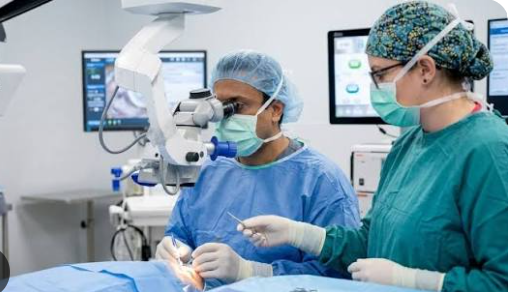
If your surgery is scheduled for the next day, confirm the following with your medical team:
Do
- Follow your surgeon’s instructions.
- Take only medicines you have been instructed to take.
- Use prescribed eye drops as directed.
- Follow any fasting instructions.
- Keep your eyelids and face clean.
- Arrange transportation.
- Keep your medical documents available.
- Get adequate rest.
Avoid
- Eye makeup
- Unapproved eye drops
- Contact lenses if instructed to stop
- Self-directed medication changes
- Rubbing your eyes
- Ignoring new illness
- Driving yourself to or from surgery
Remember that this is a general checklist. Your surgeon’s instructions take priority.
What Should You Tell Your Ophthalmologist Before Surgery?
Before your procedure, make sure your doctor knows about:
Eye History
- Previous eye surgery
- LASIK or PRK
- Glaucoma
- Cataract
- Dry eye
- Eye injuries
- Contact lens use
Medical History
- Diabetes
- Blood pressure problems
- Autoimmune disease
- Other chronic conditions
- Recent infections
Medication History
- Prescription medicines
- Blood thinners
- Painkillers
- Vitamins
- Herbal supplements
- Eye drops
Allergies
Tell your doctor about any known medication or other allergies. FDA guidance specifically emphasizes discussing allergies before refractive surgery.
What If You Accidentally Break a Pre-Surgery Rule?
Don’t panic. If you accidentally:
- Wore contact lenses
- Used makeup
- Ate when you were supposed to fast
- Took a medicine you were told to avoid
- Developed a new illness
Tell your surgical team immediately. Don’t hide the mistake because you are worried the surgery will be cancelled. Your doctor needs accurate information to decide whether it is safe to continue or whether additional preparation is necessary.
When Should You Contact Your Doctor Before Eye Surgery?
Contact your ophthalmologist if you develop a significant change in your eye or general health before surgery. Examples include:
- New eye pain
- Significant eye redness
- Eye discharge
- Sudden vision changes
- New eye injury
- Fever or significant illness
- A new medication
- A new allergy or reaction
Your surgical team can decide whether you need assessment or whether the procedure should be rescheduled.
Final Takeaway
Knowing the right before eye surgery precautions can make your preparation easier and help your surgical team work with accurate information. The most important things to avoid before surgery include unnecessary contact-lens use when your doctor has asked you to stop, eye makeup and products around the eyes when instructed, self-medication, unsupervised changes to prescription medicines and ignoring new health problems. Most importantly, don’t follow a generic checklist instead of your surgeon’s instructions. Preparation can vary considerably between cataract surgery, LASIK, glaucoma procedures and other eye operations.