

Cataract surgery is a commonly performed procedure that removes the cloudy natural lens of the eye and replaces it with an artificial intraocular lens (IOL). Although many patients notice better vision as healing progresses, proper care after the procedure is important for supporting recovery and reducing the risk of complications. Knowing the precautions after cataract surgery can help you protect your operated eye while gradually returning to your daily routine. From using prescribed eye drops correctly to avoiding eye rubbing, swimming and strenuous exercise, a few simple habits can make your recovery period easier to manage. Dr. Ripan Kaur Kamra, an ophthalmologist providing eye-care services in Hisar, recommends following your surgeon’s individual instructions and attending scheduled follow-up appointments. If you are looking for reliable information about eye care in Hisar, understanding the basics of cataract surgery aftercare is a useful starting point. This guide explains the essential do’s and don’ts, common mistakes, safe activities after cataract surgery and warning signs that should not be ignored.
Why Are Precautions After Cataract Surgery Important?
After cataract surgery, the eye needs time to heal. Even when the procedure goes smoothly, the operated eye may temporarily experience mild irritation, watering, light sensitivity or blurred vision. Following the recommended precautions helps you:
- Reduce the chance of accidentally rubbing or injuring the operated eye.
- Use prescribed medicines as directed.
- Keep the eye clean and reduce exposure to potential irritants.
- Avoid activities that may interfere with early healing.
- Recognise unusual symptoms and seek timely medical advice.
Recovery differs from person to person. Your age, general health, existing eye conditions and the type of procedure performed may influence your recovery instructions. Always prioritise the advice given by your own ophthalmologist.
Do’s After Cataract Surgery
1. Use Your Prescribed Eye Drops Correctly
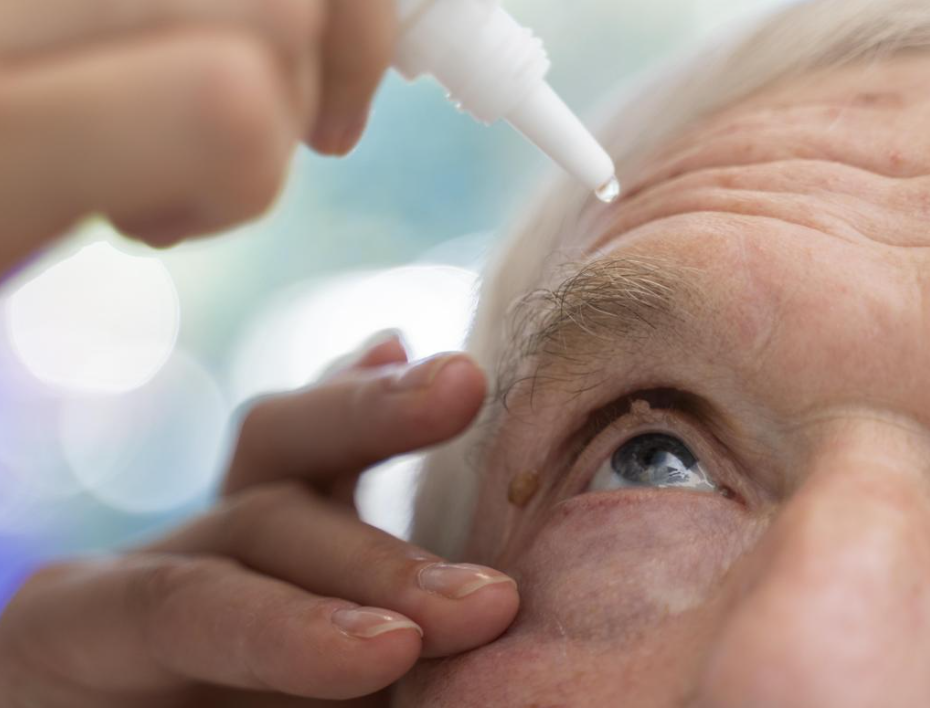
Using eye drops as instructed is one of the most important parts of cataract surgery aftercare. Your surgeon may prescribe drops to help control inflammation, prevent infection or manage other symptoms. Follow these steps:
- Wash and dry your hands before handling the bottle.
- Read the prescription and check which eye needs treatment.
- Tilt your head back and gently pull down the lower eyelid.
- Place the prescribed drop into the lower eyelid pocket without touching the eye with the bottle tip.
- Close your eye gently and replace the cap.
If you have more than one type of eye drop, ask your doctor or pharmacist how much time to leave between them. Do not stop, extend or change the dose of a medicine without medical advice.
Important: If you miss a dose or accidentally use extra drops, check the medication instructions or contact your eye-care team for guidance.
2. Attend Every Follow-Up Appointment
A follow-up examination allows your ophthalmologist to assess healing, check your vision and look for possible complications. Even if your eye feels comfortable, do not skip a scheduled visit without discussing it with your clinic. During follow-up, tell your doctor about any pain, redness, watering, blurred vision or difficulty using your prescribed drops. Report changes in your vision rather than assuming they are part of normal healing.
3. Protect Your Eye While Sleeping
Your doctor may provide a protective eye shield to wear at night for a recommended period. Use it according to your surgeon’s instructions, especially if you tend to rub your eyes while asleep. Make sure the shield is clean and positioned without putting pressure on the operated eye. Avoid sleeping in a way that presses directly against the eye, particularly during the early recovery period.
4. Keep Your Hands and Eye Area Clean
Wash your hands before applying eye drops or following any eye-care instructions. If tears collect around your eyelids, gently dab the surrounding skin with a clean tissue. Do not press on the eyeball or rub the eyelids. If your eyelids become sticky, ask your clinic how to clean them safely. Use only the recommended method and materials; do not put homemade solutions or unprescribed products into the eye.
5. Wear Sunglasses Outdoors When Needed
Some people experience increased sensitivity to bright light after surgery. Sunglasses can make outdoor activities more comfortable and may help shield the eyes from wind and dust. Choose comfortable sunglasses and avoid dusty or smoky environments during the early healing period. Sunglasses do not replace prescribed medicines or other precautions.
6. Resume Light Activities Gradually
Gentle activities may be possible soon after surgery, depending on your doctor’s advice and how you feel. Walking around the home, reading or watching television is generally permitted when comfortable and when your surgeon has not advised otherwise. Take breaks if your eyes feel tired. Be careful on stairs and uneven surfaces if your vision or depth perception feels different.
7. Eat a Balanced Diet and Stay Hydrated

A varied diet containing vegetables, fruits, whole grains, protein sources and healthy fats supports general health. Drink water regularly unless your healthcare professional has advised you to restrict fluids. However, no particular food or supplement can guarantee faster healing or prevent cataracts from developing in the future. Ask your doctor before starting supplements, especially if you take other medicines.
8. Follow Instructions About Your Regular Medicines
Do not independently stop or restart medicines for diabetes, blood pressure, glaucoma or other conditions. Follow the medication plan provided by your healthcare team and clarify any uncertainty. If you have diabetes or another condition that affects eye health, keep your regular medical appointments and tell your ophthalmologist about any changes in your health.
Don’ts After Cataract Surgery
1. Do Not Rub, Press or Scratch Your Eye
Avoid rubbing the operated eye, even if it feels itchy, gritty or watery. Pressure or accidental injury can interfere with healing and may increase the risk of complications. If your eye feels irritated, use only the drops prescribed for you. If discomfort becomes severe, worsens or does not improve as expected, contact your eye-care team.
2. Do Not Let Soap or Shampoo Enter the Eye
Be careful while bathing, washing your face or shampooing your hair. Avoid splashing water, soap or shampoo directly into the operated eye during the period advised by your surgeon. You may be able to bathe normally while taking care to protect the eye. Ask your clinic for specific guidance on face washing and hair washing, as recommendations can differ.
3. Avoid Swimming and Potentially Contaminated Water
Do not swim or use a hot tub until your ophthalmologist confirms it is safe. Follow your surgeon’s instructions about pools, lakes, rivers and other activities that may expose the eye to contaminated water. Do not assume that swimming goggles make swimming safe during early recovery.
4. Avoid Heavy Lifting and Strenuous Exercise Until Cleared
Heavy lifting, intense workouts and activities that may involve sudden pressure, impact or accidental contact with the eye should be avoided for the period recommended by your surgeon. This may include weightlifting, vigorous sports, strenuous housework and certain gym exercises. Gentle walking may be suitable earlier, but increase activity gradually and ask when you can return to your usual workout routine.
5. Do Not Wear Eye Makeup Too Soon
Mascara, eyeliner, eyeshadow and other products used close to the eye can introduce particles or irritants. Avoid eye makeup until your surgeon says it is safe to resume. When you restart, use clean products and applicators. Do not share eye makeup or use products that are old or contaminated.
6. Do Not Drive Until Your Vision Is Safe
Your vision may be blurry, bright or uncomfortable immediately after surgery. Do not drive yourself home after the procedure. Resume driving only when your ophthalmologist confirms that your vision is adequate and you feel safe to drive. Follow applicable driving requirements and do not drive if you have blurred or double vision.
7. Do Not Use Unprescribed Eye Drops or Home Remedies
Avoid using leftover eye drops, over-the-counter redness-relief products, herbal preparations, rose water or other home remedies unless your ophthalmologist has specifically approved them. Products that are not suitable for a healing eye may cause irritation or introduce infection. Contact your clinic before adding a new eye product.
8. Avoid Dusty, Smoky or Dirty Environments
Dust, smoke and flying particles can irritate the eye. During early recovery, avoid activities such as dusty cleaning, gardening, construction work or tasks that expose the eye to debris, according to your surgeon’s advice. If your work involves dust or physical labour, ask when you can return and whether protective equipment is appropriate.
Activities After Cataract Surgery: What Is Safe?
The right time to resume normal activities depends on your healing, the nature of the activity and your surgeon’s instructions. Use the following table as general guidance, not as a substitute for personalised medical advice.
| Activity | General guidance |
| Reading and watching TV | Usually okay when comfortable, unless advised otherwise |
| Walking indoors | Gentle walking is often suitable; take care on stairs |
| Light household tasks | Resume gradually if comfortable and permitted |
| Washing your face or hair | Prevent soap and water from entering the operated eye |
| Driving | Wait until your vision is adequate and your doctor says it is safe |
| Heavy lifting or vigorous exercise | Avoid until your surgeon clears you |
| Swimming and hot tubs | Avoid until your surgeon confirms it is safe |
| Eye makeup | Wait until your eye has healed sufficiently and you are cleared |
| Gardening or dusty work | Avoid during the period advised by your eye-care team |
Some clinics recommend different time frames for the same activity. Your own instructions may also differ if your surgery was complicated or you have other eye conditions.
Common Mistakes to Avoid During Cataract Surgery Aftercare
Even when patients understand the main precautions, small mistakes can affect how well they follow their care plan.
Stopping Eye Drops Too Early
Your eye may feel better before the prescribed course is finished. Continue the drops for the duration instructed by your surgeon, unless they advise a change.
Skipping Follow-Up Visits
A comfortable eye does not always mean that healing is complete. Attend scheduled check-ups so your doctor can assess the eye properly.
Returning to Exercise Too Quickly
Feeling well does not necessarily mean that vigorous activity is appropriate. Increase exercise only according to your surgeon’s guidance.
Ignoring Changes in Vision
Do not dismiss sudden or worsening blurred vision, severe pain or increasing redness as routine recovery symptoms. Contact your eye-care team promptly if anything seems unusual.
Following Advice Meant for Another Patient
A friend or family member may have received different instructions after cataract surgery. Follow the plan made for your own eye, rather than copying another person’s medication or recovery schedule.
Warning Signs After Cataract Surgery: When to Seek Medical Help
Mild irritation, watering or sensitivity to light can occur during early recovery and should generally improve. However, some symptoms require urgent assessment. Contact your ophthalmologist or seek urgent eye care if you experience:
- Sudden loss of vision or rapidly worsening vision.
- Severe or increasing eye pain.
- Marked or worsening redness.
- A sudden increase in floaters or new flashes of light.
- A dark curtain or shadow across your vision.
- Significant discharge or other symptoms that concern you.
These symptoms may indicate a complication that needs prompt treatment. Do not wait for your next scheduled appointment if you experience a warning sign.
How Long Should You Follow Precautions After Cataract Surgery?
There is no single recovery schedule that applies to every patient. Some everyday activities may be comfortable soon after surgery, while swimming, heavy lifting, strenuous exercise and eye makeup may need to be avoided for longer. Your surgeon will advise when you can return to work, drive, exercise and resume other activities. Keep following the prescribed eye-drop schedule and protective measures until you are told to stop. For more information about the recovery process, read our related guide: Cataract Surgery Recovery Guide.
Frequently Asked Questions (FAQs)
1. What are the most important precautions after cataract surgery?
Use your prescribed eye drops correctly, avoid rubbing or pressing on the eye, protect it from soap and contaminated water, attend follow-up appointments and avoid restricted activities until your surgeon gives permission.
2. Can I watch TV or use my mobile after cataract surgery?
Reading, watching television and using a mobile phone are generally acceptable when comfortable, unless your surgeon advises otherwise. Take breaks if your eyes feel tired and follow your clinic’s instructions.
3. Can I wash my face after cataract surgery?
You can usually clean your face carefully, but avoid splashing water, soap or shampoo directly into the operated eye during the period recommended by your surgeon. Ask your clinic how to clean the eye area safely.
4. When can I start exercising again?
Gentle walking may be possible early, but strenuous exercise and heavy lifting should wait until your ophthalmologist clears you. The appropriate timing depends on the procedure and your healing.
5. Can I sleep on the side of my operated eye?
Follow your surgeon’s advice about sleeping position and protective shields. Avoid putting direct pressure on the operated eye, and use the provided shield if instructed.
6. How long should I use eye drops after cataract surgery?
The duration depends on the prescribed medicines and your healing. Use them exactly as directed and do not stop them early without consulting your ophthalmologist.
7. When can I drive after cataract surgery?
Do not drive immediately after the procedure. Resume driving only when your vision meets the necessary requirements, your surgeon says it is safe and you feel comfortable driving.
8. Can I go swimming after cataract surgery?
Avoid swimming and hot tubs until your ophthalmologist confirms that it is safe. Goggles do not eliminate the risks associated with water exposure during early recovery.
9. Is mild discomfort normal after cataract surgery?
Mild irritation, watering or light sensitivity can occur for a short period. Severe pain, worsening redness or deteriorating vision is not something to ignore; seek prompt medical advice.
10. What should I do if my vision suddenly becomes blurry?
Sudden or rapidly worsening blurred vision after cataract surgery needs urgent medical assessment. Contact your ophthalmologist or seek urgent eye care rather than waiting for your next routine visit.
Conclusion
Following the right precautions after cataract surgery helps you protect your operated eye while returning to everyday life safely. Use prescribed drops, maintain hand hygiene, avoid rubbing the eye, follow restrictions on swimming and strenuous exercise, and attend every follow-up appointment. Remember that cataract surgery aftercare is individual. What is suitable for one patient may not be appropriate for another, so follow the instructions provided by your ophthalmologist and report unexpected symptoms promptly. For personalised eye-care guidance, consult Dr. Ripan Kaur Kamra in Hisar. A proper examination and follow-up plan can help you understand your recovery and make informed decisions about your eye health.