
If you are tired of depending on glasses or contact lenses, you may have considered LASIK eye surgery as a possible vision-correction option. LASIK is a type of laser eye surgery that reshapes the cornea to help correct certain refractive errors, including myopia, hyperopia and astigmatism. For appropriately selected patients, LASIK can reduce dependence on glasses or contact lenses for many everyday activities. However, it is still a surgical procedure, and understanding both its potential benefits and risks is an important part of making an informed decision. This guide explains the LASIK benefits, possible LASIK risks, recovery process, aftercare and expected visual changes, so you know what to discuss with your ophthalmologist before considering treatment.
What Is LASIK Eye Surgery?
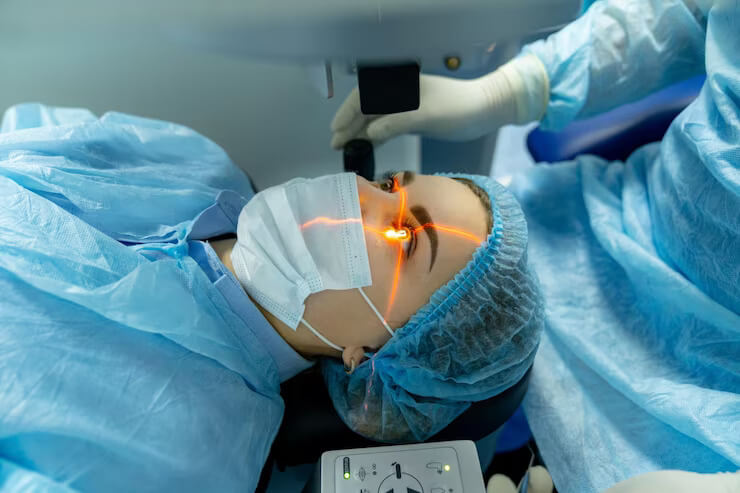
LASIK stands for Laser-Assisted In Situ Keratomileusis. It is a refractive surgery procedure in which the shape of the cornea is changed using laser technology. The cornea is the clear front surface of the eye and contributes significantly to focusing incoming light. When its shape causes light to focus incorrectly, refractive errors such as myopia, hyperopia or astigmatism can occur. During LASIK, a corneal flap is created, the underlying corneal tissue is reshaped using an excimer laser, and the flap is repositioned. The purpose of LASIK is generally to reduce dependence on glasses or contact lenses, rather than promise that a person will never need vision correction again.
What Are the Benefits of LASIK?

The potential benefits are one of the main reasons people consider laser eye surgery. However, results vary between individuals, and your ophthalmologist should assess whether the expected benefits are appropriate for your particular eyes.
1. Reduced Dependence on Glasses
One of the primary LASIK benefits is the potential to reduce dependence on glasses or contact lenses. Many appropriately selected patients can perform many everyday activities without their previous level of corrective-lens dependence. This may be particularly convenient for people who:
- Play sports
- Travel frequently
- Work outdoors
- Have difficulty wearing contact lenses
- Prefer not to wear glasses for certain activities
LASIK does not guarantee completely independent vision in every situation, so expectations should be discussed before treatment.
2. Convenience During Everyday Activities
Glasses and contact lenses can sometimes become inconvenient during daily activities. For example, people may find glasses challenging during:
- Exercise
- Outdoor activities
- Travel
- Certain professional activities
- Recreational sports
Contact lenses can also require cleaning, storage and regular replacement. Reducing dependence on corrective lenses may therefore make some activities more convenient.
3. Laser-Based, Precisely Planned Treatment
Modern LASIK involves detailed pre-operative measurements and computer-controlled laser treatment. Before surgery, your eye doctor may create detailed images of the cornea to help plan the treatment. The laser is then programmed according to the individual’s refractive correction and treatment plan. This individualized planning is an important part of modern refractive surgery.
4. LASIK Can Correct Several Refractive Errors
LASIK may be used for appropriate patients with:
Myopia
Myopia causes distant objects to appear blurry.
Hyperopia
Hyperopia can affect the ability to focus clearly, particularly at near distances.
Astigmatism
Astigmatism can produce blurred or distorted vision because of irregular curvature. The exact range that can be treated depends on the patient’s measurements and the specific laser system used.
What Are the Risks of LASIK?
Understanding LASIK risks is just as important as understanding the potential benefits. LASIK is generally considered an effective refractive procedure for appropriately selected patients, but no surgical procedure is completely risk-free. Potential complications and side effects range from temporary visual symptoms to uncommon but serious complications.
1. Dry Eyes
Dry eye is one of the most commonly discussed side effects after LASIK. You may experience:
- Burning
- Stinging
- Grittiness
- Fluctuating vision
- Eye fatigue
- Discomfort
- Increased need for artificial tears
For many patients, symptoms improve as the eyes heal. However, persistent dry-eye symptoms can occur in some people. This is why dry-eye evaluation should be part of the pre-operative assessment.
2. Glare, Halos and Starbursts
Some patients experience visual phenomena after LASIK, particularly around bright lights. These may include:
- Halos
- Glare
- Starbursts
- Light sensitivity
- Difficulty seeing clearly at night
These symptoms may improve during healing, but they can persist in some individuals. Patients who drive frequently at night should discuss this aspect of LASIK carefully with their ophthalmologist.
3. Blurred or Fluctuating Vision
Vision may not be perfectly clear immediately after surgery. During the healing period, some people experience fluctuations in visual clarity. The FDA notes that vision may fluctuate during the first few months while the eyes stabilize. This is one reason follow-up appointments are important.
4. Undercorrection or Overcorrection
LASIK does not always produce the exact intended refractive correction. In some cases, there may be:
- Residual myopia
- Residual hyperopia
- Residual astigmatism
- Overcorrection
- Regression of the original correction
Some patients may continue to need glasses or contact lenses. Additional treatment may sometimes be considered after sufficient healing and stabilization, but enhancement is not appropriate for everyone.
5. Infection and Inflammation
As with other surgical procedures, infection and inflammation are possible. Your doctor may prescribe eye drops after surgery to reduce the risk of infection and inflammation and support healing. Following post-operative instructions carefully is an important part of recovery.
6. Corneal Flap Complications
Because LASIK involves creating a corneal flap, flap-related complications are possible. These can include:
- Flap displacement
- Flap folds
- Incomplete flap
- Epithelial ingrowth
- Other flap-related healing problems
These complications are uncommon but are among the specific risks associated with the LASIK technique.
7. Rare Vision-Loss Complications
Rarely, LASIK can result in a reduction in vision that cannot be completely corrected with glasses, contact lenses or additional treatment. The FDA specifically advises patients to understand that serious complications, including vision loss, are possible even though they are uncommon. This is why proper patient selection and a thorough pre-operative examination are essential.
Who Is a Good Candidate for LASIK?
LASIK is not appropriate for everyone. A potential candidate generally needs a comprehensive eye assessment to evaluate:
- Age
- Prescription stability
- Corneal thickness
- Corneal shape
- Overall eye health
- Tear-film health
- Existing eye conditions
- Medical history
- Visual expectations
Conditions such as keratoconus, significant dry eye, certain infections, glaucoma and cataract may affect whether LASIK is appropriate. You can read more about this topic in our detailed guide: Who Is a Good Candidate for LASIK?.
LASIK Recovery: What to Expect
Understanding LASIK recovery can help you prepare realistically for the days and weeks following surgery. Recovery is different for every patient. Vision may improve quickly, but complete stabilization takes longer.
Immediately After LASIK
Immediately after surgery, you may experience:
- Hazy or blurry vision
- Watering
- Mild irritation
- Burning or itching
- Light sensitivity
- A foreign-body sensation
- Glare or halos
The FDA recommends arranging transportation home because vision may be blurry and medication given around surgery may affect your ability to drive.
The First 24 Hours
The first day is focused on protecting the eyes and allowing initial healing. Your doctor may recommend:
- Prescribed eye drops
- Lubricating/artificial tears
- An eye shield while sleeping
- Avoiding eye rubbing
- Resting the eyes
- Attending an early follow-up appointment
Your first post-operative examination is commonly performed within the first 24–48 hours, according to FDA patient guidance.
LASIK Recovery During the First Week
During the first several days, your vision may continue to change. You should follow the specific instructions given by your surgeon regarding:
- Work
- Driving
- Exercise
- Screen use
- Eye drops
- Eye protection
- Makeup
- Water exposure
Do not rub your eyes, as rubbing can interfere with the corneal flap. Your ophthalmologist may also recommend avoiding swimming, hot tubs and certain activities for a specified period.
LASIK Recovery During the First Few Months
Although some patients notice substantial visual improvement quickly, the eyes continue healing after the initial recovery period. The FDA notes that vision can fluctuate during the first few months and may take approximately 3–6 months to stabilize in some patients. This does not mean everyone will require six months before seeing clearly. Rather, visual stabilization can continue over a longer period even when functional vision improves much earlier.
What Can You Do to Support LASIK Recovery?
Following your surgeon’s instructions is the most important part of recovery.
Avoid Rubbing Your Eyes
Eye rubbing can interfere with the healing corneal flap.
Use Prescribed Eye Drops
Use medication exactly as instructed.
Protect Your Eyes
Your doctor may recommend protective shields, particularly while sleeping during the early recovery period.
Avoid Water Exposure When Advised
Swimming pools, hot tubs and other water exposure may need to be avoided temporarily to reduce infection risk.
Attend Follow-Up Appointments
Follow-up visits allow your doctor to monitor healing, vision and the ocular surface.
LASIK Recovery and Screen Time
Many patients are concerned about returning to computers and mobile phones after surgery. The appropriate timing depends on your individual recovery and your surgeon’s instructions. During the early period, your eyes may feel dry or tired while using screens. Taking regular breaks and using prescribed or recommended lubricating drops may help if advised by your doctor. Rather than following a fixed online timeline, ask your surgeon when you can comfortably resume prolonged screen-based work.
When Can You Return to Exercise?
The timing depends on the type and intensity of activity. Some non-contact activities may be resumed relatively soon, while activities involving potential impact to the eyes require more caution. The FDA advises waiting before resuming non-contact sports and avoiding strenuous contact sports for a longer period after LASIK. Always follow your surgeon’s individual instructions.
When Should You Contact Your Eye Doctor?
Some discomfort and visual changes can occur during normal recovery. However, worsening symptoms should not be ignored. Contact your ophthalmologist promptly if you experience:
- Severe or increasing pain
- Sudden worsening of vision
- Increasing redness
- New or worsening visual symptoms
- Significant discharge
- Any unusual symptoms that concern you
The FDA specifically advises patients to contact their doctor immediately if severe pain develops or vision/symptoms worsen instead of improving.
Does LASIK Permanently Correct Vision?
LASIK permanently changes the shape of the cornea, but this does not mean your vision can never change again. Several factors can influence vision later in life.
Presbyopia
LASIK does not correct presbyopia, the age-related reduction in the ability to focus on nearby objects. Most people eventually experience this normal age-related change.
Changes in Refraction
Some patients can experience changes in their prescription over time.
Other Eye Conditions
Cataract, glaucoma and other eye diseases can affect vision independently of previous LASIK surgery. Therefore, regular eye examinations remain important even after successful laser eye surgery.
LASIK Benefits vs Risks
Before considering treatment, it can be helpful to look at the overall picture.
| Potential LASIK Benefits | Possible LASIK Risks |
| Reduced dependence on glasses | Dry eyes |
| Reduced dependence on contact lenses | Glare and halos |
| Correction of certain refractive errors | Night-vision symptoms |
| Convenience during daily activities | Residual refractive error |
| Laser-based customized treatment | Infection or inflammation |
| Potential improvement in unaided vision | Corneal flap complications |
| No need for daily contact-lens maintenance | Rare vision loss |
This comparison does not determine whether LASIK is appropriate for an individual. The balance between benefits and risks varies according to each patient’s eyes, prescription, health and expectations.
LASIK vs Other Laser Eye Surgery Options
LASIK is not the only type of refractive surgery. Depending on your eye structure and prescription, your ophthalmologist may discuss alternatives such as:
PRK
PRK reshapes the cornea without creating the same type of corneal flap used in LASIK.
SMILE
SMILE is another laser-based refractive procedure that may be appropriate for selected patients.
Phakic IOL
An implantable lens may be considered in certain patients who are not suitable for corneal laser procedures. The most appropriate option depends on your eye examination and individual circumstances. For more information, you can also explore our Refractive Surgery page.
How to Prepare for LASIK
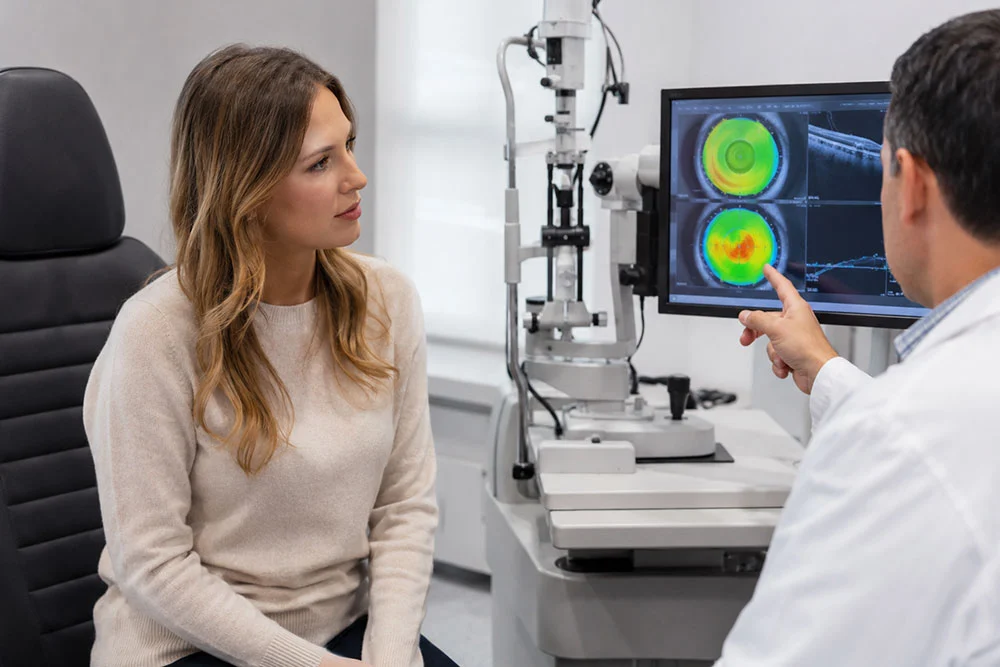
Good preparation starts with a comprehensive evaluation. Your doctor may assess:
- Current prescription
- Previous prescriptions
- Corneal thickness
- Corneal topography/tomography
- Tear-film health
- Eye pressure
- Overall eye health
If you wear contact lenses, you may need to stop wearing them before your baseline evaluation because they can temporarily change corneal shape. The required period varies according to the lens type. Before surgery, discuss your expectations, lifestyle requirements, risks and alternatives with your ophthalmologist.
Important Questions to Ask Before LASIK
Before deciding on laser eye surgery, ask:
About Candidacy
- Am I suitable for LASIK?
- Is my prescription stable?
- Are my corneas healthy?
- Do I have dry eye?
About Results
- What result is realistic for my eyes?
- Could I still need glasses?
- How might my vision change with age?
About Risks
- What LASIK risks are particularly relevant to me?
- What is my risk of dry eye?
- Could I experience glare or halos?
- What happens if the correction is incomplete?
About Recovery
- How long should I take off work?
- When can I exercise?
- When can I drive?
- When can I swim?
- How frequently will I need follow-up visits?
A detailed discussion before treatment can help you understand whether LASIK fits your individual needs.
Final Takeaway
LASIK eye surgery can provide significant convenience for appropriately selected patients, but it is not simply a procedure for getting rid of glasses. Understanding the LASIK benefits, LASIK risks and LASIK recovery process is an essential part of making an informed decision. A comprehensive evaluation can help determine whether your corneal structure, prescription, eye health and expectations are suitable for laser eye surgery. Even after successful treatment, regular eye examinations remain important because LASIK does not prevent age-related changes or other eye diseases. If you are considering LASIK, discuss your individual situation with a qualified ophthalmologist before making a decision.