

Cataract surgery is a commonly performed procedure that replaces the cloudy natural lens of the eye with a clear artificial lens, called an intraocular lens (IOL). Although the procedure is usually short, proper aftercare is important for healing and achieving the best possible visual outcome. Understanding cataract surgery recovery can help you prepare for the days and weeks after your operation. You may notice some improvement in your vision within the first few days, while mild irritation, light sensitivity or blurred vision can take longer to settle. Recovery varies depending on your eye health, the type of surgery and whether other eye conditions are present. If you are planning cataract surgery or have recently undergone the procedure, this guide explains what to expect after cataract surgery, how to care for your eyes, which activities to avoid and when to contact your ophthalmologist. For patients seeking professional eye care in Hisar, Dr. Ripan Kaur Kamra provides ophthalmic evaluation and guidance on cataract care and postoperative follow-up. The right recovery plan should always be based on your individual examination and your surgeon’s instructions.
What Happens During Cataract Surgery?
Understanding the procedure can make the recovery process less stressful. During cataract surgery, the ophthalmologist removes the cloudy natural lens and replaces it with an artificial intraocular lens. The operation is usually performed using local anaesthesia, and many patients return home the same day. After the procedure, your surgical team will explain how to use prescribed eye drops, protect the operated eye and attend follow-up appointments. Remember that successful healing does not mean your vision must become perfectly clear immediately. Your eye needs time to recover, and other conditions, such as glaucoma, diabetic retinopathy or macular degeneration, may also influence the final visual result.
Cataract Surgery Recovery Timeline: What to Expect
Recovery is different for every patient. The following timeline provides a general overview, not a substitute for the instructions provided by your surgeon.
Day 1 : The first 24 hours
Your vision may be blurry, and your eye may feel mildly gritty, watery or sensitive to light. Rest, protect the eye and follow your prescribed drop schedule.

Days 2–7 : Early improvement
Many patients notice clearer vision and reduced discomfort. Some blurring, mild redness or sensitivity may remain, but symptoms should generally improve rather than worsen.
Weeks 2–4 : Continuing recovery
Vision and comfort may continue to improve. Continue prescribed drops and activity restrictions for as long as your surgeon recommends.
Weeks 4–8 : Healing and visual assessment
Many eyes heal over several weeks. Your ophthalmologist will assess your progress and advise when to consider a new glasses prescription or resume activities fully.
The Dr. Ripan Kaur notes that many people are fully healed by about eight weeks, although recovery and visual outcomes vary.
Common Symptoms After Cataract Surgery
Some temporary symptoms can occur during normal healing. Knowing the difference between mild recovery symptoms and warning signs is important.
1. Blurry Vision
Blurry vision can occur immediately after surgery. It may improve over the following days as the eye heals. However, severe or worsening blurriness should not be ignored. Contact your ophthalmologist if your vision deteriorates or fails to improve as expected.
2. Mild Redness
The white of the eye may appear slightly red after surgery. Mild redness can settle as the eye heals. Increasing redness, especially with pain, discharge or worsening vision, requires prompt assessment.
3. Grittiness or a Foreign-Body Sensation
Some patients describe a feeling like dust or an eyelash is in the eye. Mild irritation can occur during recovery. Avoid rubbing or pressing on the eye. Ask your doctor before adding lubricating drops or other products to your prescribed treatment routine.
4. Light Sensitivity
Lights may seem brighter than usual after cataract removal. Sunglasses may make outdoor activities more comfortable, provided you also follow your surgeon’s instructions. Severe light sensitivity, particularly with pain or reduced vision, should be assessed urgently.
5. Watery or Dry Eyes
The eye may water or feel dry during recovery. These symptoms can overlap because irritation of the eye surface may trigger reflex tearing. If watering, burning or discomfort persists, tell your ophthalmologist rather than assuming it is part of normal healing.
Eye Care After Surgery: 8 Essential Tips
Proper eye care after surgery helps protect the eye while it heals. Follow your surgeon’s specific instructions because the exact routine can vary.
1. Use Prescribed Eye Drops Correctly
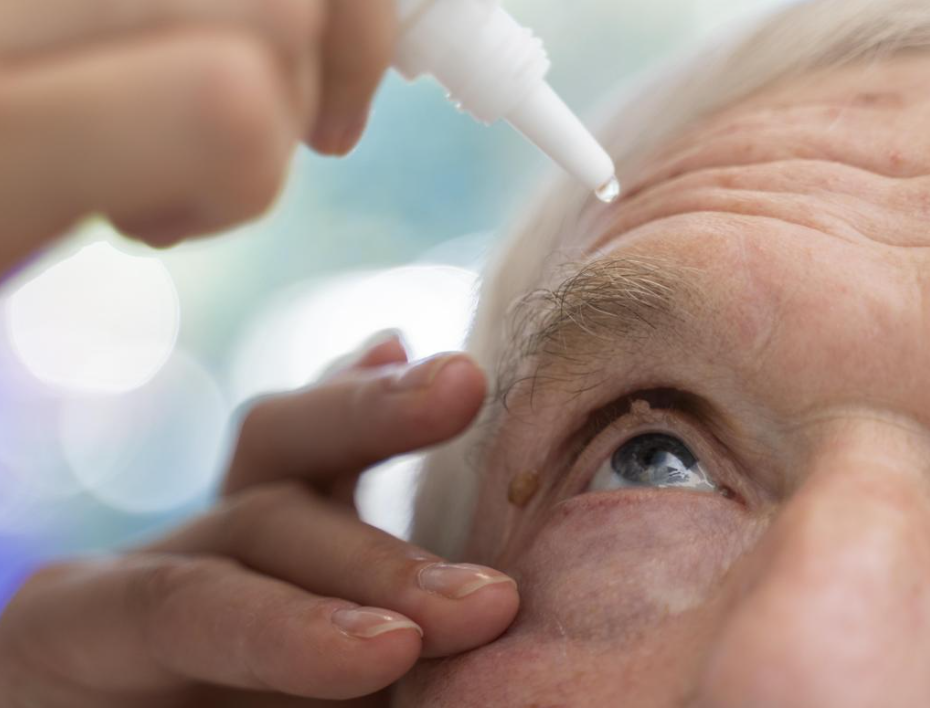
Your surgeon may prescribe antibiotic, anti-inflammatory or other eye drops, depending on your needs.
- Wash your hands before using drops.
- Follow the prescribed dose and schedule.
- Avoid letting the bottle tip touch your eye or eyelashes.
- Do not stop the medication early unless instructed.
- Ask your doctor or pharmacist if you are unsure how to use a drop.
Some patients need postoperative drops for several weeks. The NHS notes that drops are commonly prescribed for around four weeks, but the schedule depends on the treatment plan.
2. Never Rub or Press Your Eye
Rubbing can put unnecessary pressure on the healing eye. If your eye feels itchy or watery, gently wipe tears from the surrounding skin with a clean tissue without pressing on the eyeball.
3. Wear Your Eye Shield If Recommended
Your surgical team may provide a protective shield to wear while sleeping, especially during the early recovery period. Use it for the duration recommended by your surgeon. It helps protect the eye from accidental rubbing or pressure while you sleep.
4. Keep Water and Soap Out of the Eye
Follow your clinic’s advice about bathing and washing your face. Avoid directing shower water into the operated eye, and do not allow shampoo, soap or dirty water to enter it. If you are uncertain about cleaning the eyelids, ask your surgeon for instructions.
5. Attend All Follow-Up Appointments
Follow-up examinations allow your ophthalmologist to check healing, vision and eye pressure when needed. Even if your vision feels better, do not skip appointments. Some complications may not be obvious to the patient at first.
6. Protect Your Eyes Outdoors
Sunglasses can help if you experience light sensitivity. Glasses may also provide some protection from dust and wind. However, sunglasses do not replace a prescribed eye shield or other postoperative precautions.
7. Eat a Balanced Diet and Stay Hydrated
A balanced diet supports general health and recovery. Include a variety of vegetables, fruits, protein sources and other nutritious foods as appropriate for your health needs. No particular food can guarantee faster healing or replace postoperative medication.
8. Get Enough Rest
You may feel tired on the day of surgery. Arrange help with transport and avoid rushing back into demanding activities. Light activities may be possible soon, but follow your surgeon’s guidance on when to resume work, exercise and household tasks.
What Should You Avoid After Cataract Surgery?
During early healing, certain activities may increase the risk of irritation or injury.
| Activity | General precaution |
| Rubbing the eye | Avoid rubbing, pressing or touching the operated eye. |
| Heavy lifting | Wait until your surgeon says it is safe. |
| Swimming | Avoid swimming until your surgeon clears you. |
| Eye makeup | Wait until your eye has healed and your doctor permits it. |
| Driving | Do not drive until your vision meets the required standard and your ophthalmologist says it is safe. |
| Dusty or dirty environments | Protect your eyes and avoid unnecessary exposure during early recovery. |
| Unprescribed eye drops | Do not start or reuse medication without advice. |
| Strenuous exercise | Resume gradually according to your surgeon’s instructions. |
These restrictions are not identical for every patient. The NHS advises avoiding eye rubbing, swimming, heavy lifting, sports and eye makeup during recovery, with the exact duration guided by the surgical team.
Can You Use a Mobile Phone or Watch TV?
Many patients can read or watch television when they feel comfortable. These activities generally do not damage the operated eye, but temporary blurring or light sensitivity may make screens uncomfortable at first. Take breaks if your eyes feel tired, and do not let screen use interfere with prescribed drops, rest or follow-up appointments.
When Can You Drive Again?
There is no single timeline that is suitable for every patient. Your vision needs to be sufficiently clear and meet the applicable driving requirements. Ask your ophthalmologist before returning to driving, even if you feel comfortable behind the wheel.
When Should You Contact Your Ophthalmologist?
Although mild irritation and temporary blurred vision can occur after surgery, certain symptoms require urgent medical attention. Contact your ophthalmologist immediately if you experience:
- Sudden loss or significant worsening of vision.
- Severe or persistent eye pain.
- Increasing redness or swelling.
- New flashes of light or a sudden increase in floaters.
- A dark curtain or shadow across your vision.
- Increasing discharge or rapidly worsening symptoms.
These signs can indicate complications such as infection or a retinal problem and should not be ignored. Do not wait for your next scheduled appointment if you develop serious warning signs. Contact your eye-care team or seek urgent eye care.
Can Vision Become Blurry Again After Cataract Surgery?
Some patients notice that their vision becomes cloudy or blurry after initially improving. This can happen for different reasons, including dry eye, changes in the eye’s healing process or other eye conditions. One possible cause months or years after surgery is posterior capsule opacification (PCO). This occurs when the capsule behind the artificial lens becomes cloudy. It is sometimes called a secondary cataract, although the original cataract has not returned. PCO can often be treated with a laser procedure called YAG laser capsulotomy. Your ophthalmologist must examine the eye to determine whether PCO or another condition is responsible. If your vision becomes cloudy again, arrange an eye examination instead of assuming that you need new glasses.
Does Cataract Surgery Recovery Depend on Your Overall Eye Health?
Yes. Recovery and the final level of vision depend on more than the cataract operation alone. Conditions such as glaucoma, diabetic retinopathy, macular degeneration and corneal disease can affect visual outcomes. Cataract surgery removes the cloudy lens, but it cannot reverse vision loss caused by every other eye condition. Academy Store Your ophthalmologist may therefore recommend additional monitoring or treatment if you have another eye condition. For this reason, an individual recovery plan is more useful than comparing your progress with another patient’s experience.
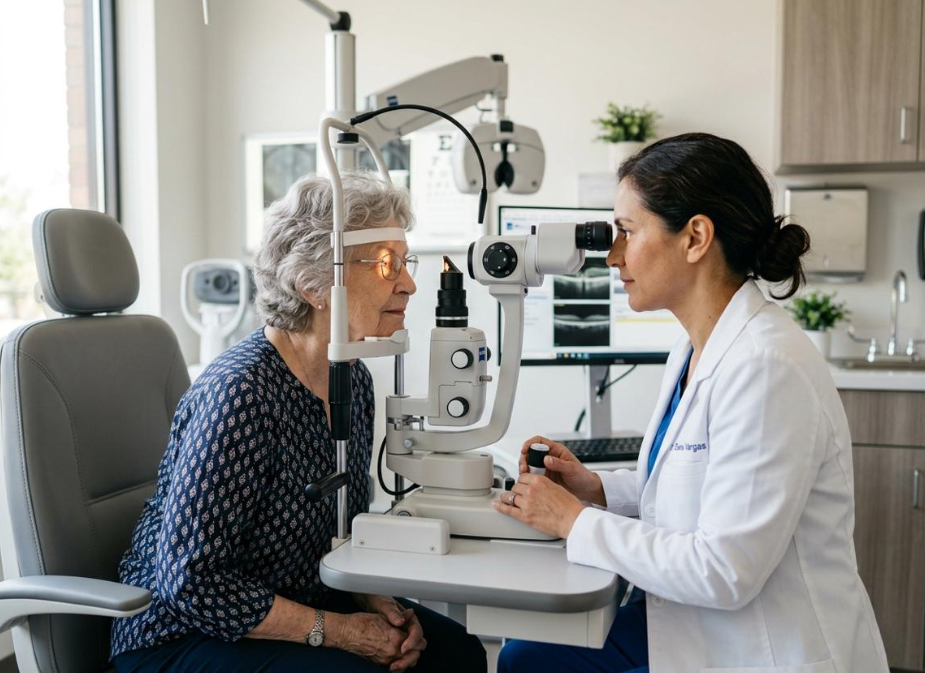
Final Takeaway: Give Your Eyes Time to Heal
Cataract surgery recovery is a gradual process. Although many patients notice clearer vision within the first few days, complete healing can take several weeks. The most important steps are to use prescribed eye drops correctly, avoid rubbing or pressing on the eye, follow activity restrictions, protect the eye while sleeping if instructed and attend every recommended follow-up appointment. Remember that recovery is individual. Your age, overall health, eye condition, IOL choice and the complexity of surgery can influence your experience. If you have concerns about your vision or experience severe pain, worsening redness, sudden visual changes or new flashes and floaters, contact your ophthalmologist promptly.