
Have you ever noticed your eyes watering while sitting indoors, using your phone, going outside, or even waking up in the morning? Occasional watering is usually a normal response of the eyes, but persistent watery eyes can sometimes indicate an underlying eye problem. Tears are essential for healthy eyes. They keep the eye surface moist, help protect against irritants and infections, and contribute to clear vision. Normally, tears spread across the eye when you blink and then drain through tiny openings near the inner corners of the eyelids into the tear drainage system. When too many tears are produced—or when tears cannot drain properly—they can overflow onto the cheeks. This condition is commonly called watery eyes or excessive tearing. The good news is that many causes are manageable once the underlying problem is identified. However, watery eyes accompanied by eye pain, significant redness, vision changes or an injury should be evaluated promptly. In this guide, we will explain the causes of watery eyes, why one or both eyes may water, how an ophthalmologist evaluates the problem, available treatment options and when it is time to seek medical attention.
What Are Watery Eyes?
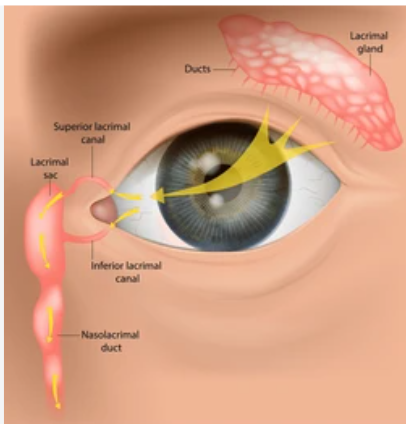
Watery eyes occur when there is an excessive amount of tears on the surface of the eye or when tears are not draining normally. Tears have an important protective role. They form a thin tear film over the cornea, helping keep the eye smooth and comfortable. Tears also help wash away dust and other irritating particles. Normally, there is a balance between:
- Tear production
- Tear distribution across the eye
- Tear drainage
If this balance is disturbed, excessive tearing may occur. For example, an eyelash or dust particle can irritate the eye and trigger reflex tearing. On the other hand, a blocked tear duct can prevent normal drainage, causing tears to overflow even when the eye is not producing an unusually large amount of tears.
What Causes Watery Eyes?
There are many possible causes of watery eyes. Some are temporary and related to the environment, while others involve the surface of the eye, eyelids or tear drainage system. Let’s look at the most common causes.
1. Dry Eyes Can Actually Cause Watery Eyes
It may seem strange, but dry eyes are one of the possible causes of excessive watering eyes. When the tear film becomes unstable or the eye surface becomes dry, the eye can become irritated. In response, the lacrimal glands may produce reflex tears. These tears may temporarily make the eyes feel wetter, but they may not provide the same stable protection as a healthy tear film. Dry eye may also cause:

- Burning
- Grittiness
- Redness
- Itching
- Blurred or fluctuating vision
- Light sensitivity
- Excessive watering
Both NEI and NHS list watery eyes as a possible symptom associated with dry eye.
What can contribute to dry eye?
- Long periods of screen use
- Contact lens wear
- Air conditioning
- Dry or windy environments
- Smoke
- Certain medicines
- Age-related changes
- Some health conditions
So, if your eyes water while using a computer or mobile phone, dry eye may still be part of the explanation.
2. Allergies
Eye allergies can make your eyes itchy, red and watery.
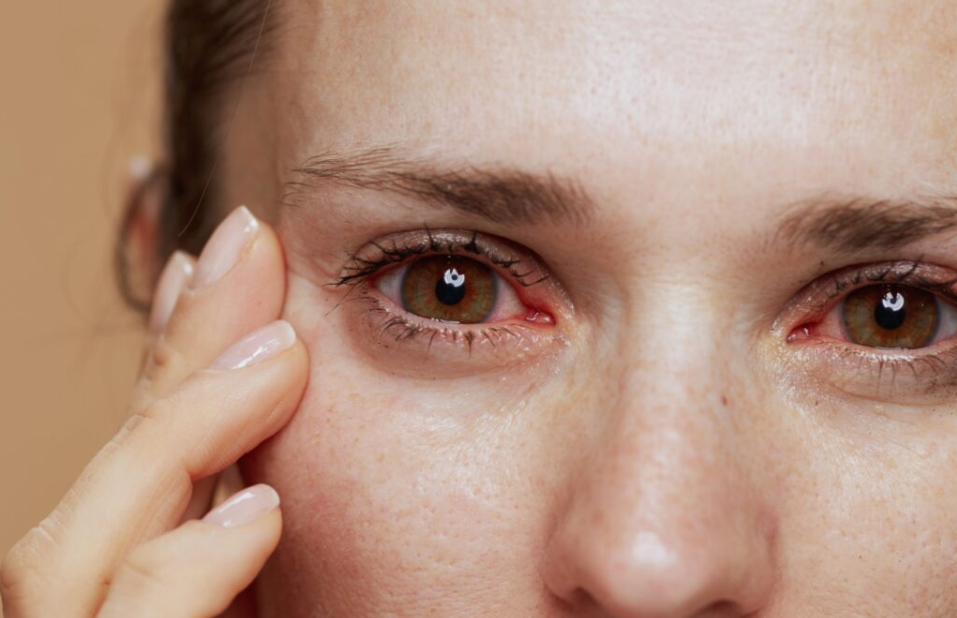
Common triggers include:
- Pollen
- Dust
- Pet allergens
- Seasonal allergens
- Other environmental substances
Allergic conjunctivitis can produce watery eyes along with itching and redness.
A typical pattern
If your watery eyes are accompanied by strong itching, allergy is one possible cause. However, symptoms can overlap with other conditions, so persistent or severe symptoms should be evaluated rather than self-diagnosed.
3. Conjunctivitis
Conjunctivitis, commonly known as pink eye, can cause:
- Red eyes
- Watering
- Itching
- Gritty or burning sensation
- Sticky discharge
It can be caused by infection or allergies. In some forms of conjunctivitis, particularly infectious conjunctivitis, discharge may stick to the eyelashes. If your eyes are watering along with significant redness, discharge or discomfort, an eye professional can help determine the cause.
4. Something Is Irritating Your Eye
Your eyes naturally produce extra tears when something irritates the eye surface. Possible irritants include:
- Dust
- Smoke
- Fumes
- Strong smells
- Small particles
- An eyelash
- Sand or grit
- Certain chemicals
This is one of the body’s natural protective mechanisms. The increased tears attempt to wash away the irritant.
What should you do?
If something small such as dust enters your eye, avoid rubbing it aggressively. If an object is stuck in the eye, particularly after an injury, seek medical attention instead of trying to remove a penetrating object yourself.
5. Wind and Cold Weather
Have you ever noticed your eyes watering when you step outside on a cold or windy day? This can be a normal response. Wind can increase evaporation from the eye surface and irritate the eyes. The eyes may respond by producing additional tears. The NHS lists cold and windy environments among common situations that can cause watering eyes.
Helpful tip
Protective glasses or sunglasses can help shield the eyes from wind and environmental irritants when outdoors.
6. Blocked Tear Ducts
Tears need to drain away through the tear drainage system. If the drainage pathway becomes narrowed or blocked, tears may remain on the eye surface and overflow onto the face. Blocked or narrowed tear ducts are an important cause of persistent watery eyes, particularly in adults. Moorfields Eye Hospital notes that blocked or narrowed tear ducts are a common cause of a watering eye in adults. You may notice:
- Constant watering
- Tears running down the cheek
- Symptoms mainly affecting one eye
- Recurrent discharge
- Swelling near the inner corner of the eye in some cases
A blocked drainage system may require evaluation by an eye specialist.
7. Eyelid Problems
Your eyelids help spread tears evenly across the eye and direct them toward the tear drainage openings. If the eyelid position changes, tears may not drain properly. Examples include:
Ectropion
The eyelid turns outward, which can interfere with normal tear drainage.
Entropion
The eyelid turns inward and eyelashes may rub against the eye surface. These eyelid problems can cause irritation and watering.
8. Blepharitis
Blepharitis is inflammation affecting the eyelids. It may cause:
- Watery eyes
- Itchy eyes
- Red or swollen eyelids
- Crust around the eyelashes
- Dry eyes
- Light sensitivity
- Irritation
The National Eye Institute notes that blepharitis can cause both dry and watery eyes because problems with the eyelids and tear film can affect the eye surface. If you frequently wake up with crusty eyelashes and experience watering throughout the day, an eye examination can help determine whether eyelid inflammation is contributing to the symptoms.
9. Contact Lens-Related Problems
Contact lenses can sometimes contribute to eye irritation and watering, particularly when they are not used or cared for correctly. Problems can occur with:
- Poor lens hygiene
- Wearing lenses longer than recommended
- Sleeping in lenses when not approved
- Damaged lenses
- Incorrect lens fit
- Existing dry eye
Contact lens-related infections can also affect the cornea and require prompt treatment. NEI notes that contact-lens-related infections are a common cause of keratitis.
Important
If you wear contact lenses and develop eye pain, significant redness or vision changes, seek prompt medical assessment.
10. Corneal Irritation or Injury
The cornea is the clear front surface of the eye. A scratch, foreign body or other corneal problem can cause:
- Watering
- Pain
- Redness
- Light sensitivity
- Blurred vision
- Foreign-body sensation
Even a small corneal injury can be uncomfortable because the cornea contains many sensitive nerve endings. NEI recommends urgent eye-care assessment for intense eye pain, vision changes, very red watery eyes, a stuck object or serious eye trauma.
11. Eye Infections
Some eye infections can cause excessive tearing. Depending on the infection, symptoms may include:
- Redness
- Watering
- Discharge
- Pain
- Swelling
- Light sensitivity
- Blurred vision
Not every watery eye requires antibiotics. Treatment depends on the underlying cause. An ophthalmologist can determine whether the symptoms are related to an infection, allergy, dry eye or another eye condition.
12. Certain Medicines and Health Conditions
Some medicines can contribute to dry eye or changes in the tear film, which may indirectly contribute to watering. The NEI notes that some medicines used for conditions such as allergies, depression and high blood pressure can contribute to dry eye. Certain medical conditions can also affect the eye surface or tear production. If your watery eyes began after starting a new medicine, tell your doctor rather than stopping the medicine yourself.
Why Is Only One Eye Watering?
If only one eye is watering, it can sometimes provide a useful clue. Possible explanations include:
- Blocked tear drainage
- Foreign body
- Eyelid problem
- Local irritation
- Corneal problem
- Infection
- Previous injury or surgery
Persistent one-sided watering should be assessed by an eye specialist, particularly if it continues without an obvious environmental cause.
Why Do My Eyes Water in the Morning?
Morning watering can occur for several reasons.For example:
- Dry eye
- Blepharitis
- Eyelid inflammation
- Irritation
- Tear-film instability
- Environmental factors
If morning watering occurs together with crusty eyelashes, swollen eyelids or itching, blepharitis may be one possible explanation. If symptoms are persistent, a comprehensive eye examination can help identify the cause.
Why Do My Eyes Water When Using a Mobile Phone?
Mobile and computer use can contribute to eye-surface discomfort because prolonged screen viewing may be associated with reduced or incomplete blinking. This can contribute to dry-eye symptoms, and dry-eye irritation can sometimes trigger reflex watering. If your eyes water during screen use, consider:
- Taking regular breaks
- Blinking consciously
- Avoiding direct fan or AC airflow
- Adjusting screen position
- Keeping appropriate viewing distance
- Discussing persistent symptoms with an eye specialist
Watery eyes during screen use do not necessarily mean that the screen itself is directly damaging your eyes.
When Should You See an Eye Doctor for Watery Eyes?
Occasional watering caused by wind, cold or a temporary irritant may settle on its own. However, you should consider an eye examination if:
- Your eyes keep watering
- Watering interferes with daily activities
- One eye constantly waters
- You have repeated episodes
- Your eyelid appears to turn inward or outward
- There is swelling around the eye
- Symptoms do not improve
- You have recurring discharge
The NHS recommends medical assessment when persistent watering affects daily activities or when eyelid problems or persistent swelling are present.
Watery Eyes: When Is It an Emergency?
Watery eyes require more urgent attention when they occur with concerning symptoms.
Seek urgent medical attention if you have:
- Severe eye pain
- Sudden vision changes
- Loss of vision
- Significant blurred vision
- Strong sensitivity to light
- A very red eye
- A serious eye injury
- An object stuck in the eye
NEI specifically advises prompt care for intense pain, vision changes, blurry vision, very red watery eyes, foreign objects and serious eye trauma. If you wear contact lenses and develop eye pain with vision loss, urgent assessment is particularly important.
How Does an Eye Doctor Diagnose Watery Eyes?
Finding the cause of watery eyes usually begins with a detailed history and eye examination. Your ophthalmologist may ask:
- When did the watering begin?
- Is one or both eyes affected?
- Is it constant or occasional?
- Does it happen outdoors?
- Do you have itching?
- Do you have pain?
- Do you wear contact lenses?
- Have you had previous eye surgery?
- Are you taking any medicines?
The doctor may examine:
The Eye Surface
To look for dryness, irritation, inflammation or corneal problems.
Eyelids
To check eyelid position, inflammation and other problems.
Tear Drainage System
If blocked drainage is suspected, the tear drainage pathway may need specific evaluation.
Tear Film
Tests may be used when dry eye or tear-film instability is suspected. A detailed examination helps distinguish between excess tear production and poor tear drainage.
How Are Watery Eyes Treated?
Treatment depends completely on the cause.
For Dry Eye
Treatment may include appropriate lubricating drops, lifestyle measures or other treatment recommended by an eye specialist.
For Allergies
Allergy-related watering may be managed with appropriate allergy treatment or eye drops depending on the cause.
For Infection
Treatment depends on whether the infection is bacterial, viral or related to another cause.
For Eyelid Problems
Specific eyelid treatment or, in some cases, surgery may be considered.
For Blocked Tear Ducts
A blocked tear drainage pathway may require specialist assessment and, depending on the problem, a procedure to improve drainage. The goal is not simply to stop the tears. The goal is to identify and treat the reason your eyes are watering.
What Can You Do at Home for Mild Watery Eyes?
If watering is mild and there are no warning signs, some simple measures may help.
Protect Your Eyes Outdoors
Use sunglasses to reduce exposure to wind, dust and environmental irritants.
Avoid Rubbing Your Eyes
Rubbing can increase irritation.
Take Screen Breaks
If watering occurs during screen use, take regular breaks and blink frequently.
Keep Eyelids Clean
Good eyelid hygiene can be useful when eyelid irritation or blepharitis contributes to symptoms.
Avoid Known Irritants
If smoke, dust or strong fumes trigger watering, minimize exposure. However, home care should not replace an eye examination when symptoms are persistent or severe.
Watery Eyes vs. Dry Eyes: Can You Have Both?
Yes. This can seem confusing, but watery eyes and dry eyes are not always opposites. A person may have an unstable or inadequate tear film that irritates the eye. The eye then responds by producing reflex tears. Therefore, someone can experience: Dryness → irritation → reflex tearing → watery eyes This is why simply seeing tears does not necessarily mean that your eyes are adequately lubricated.
How Can You Help Prevent Excessive Eye Watering?
Not every cause of watery eyes can be prevented, but healthy eye habits can reduce some triggers.
Helpful habits include:
- Protect your eyes from wind and dust.
- Avoid smoking and smoky environments.
- Follow proper contact-lens hygiene.
- Take breaks during prolonged screen use.
- Avoid rubbing your eyes.
- Keep your eyelids clean.
- Treat known allergies appropriately.
- Have persistent symptoms evaluated.
- Wear protective eyewear during activities that can cause eye injury.
If you repeatedly experience watering, identifying the underlying cause is more useful than repeatedly trying different eye drops without professional advice.
Final Takeaway
Watery eyes are common, but persistent excessive watering eyes should not always be ignored. The causes of watery eyes can range from simple environmental triggers such as wind and dust to dry eye, allergies, conjunctivitis, eyelid problems, corneal irritation and blocked tear ducts. The important point is that treatment depends on the underlying cause. Simply trying to stop the tears without identifying why they are happening may not solve the problem. If your watery eyes are persistent, affect your daily activities, occur mainly in one eye or are accompanied by pain, redness or vision changes, an ophthalmic evaluation can help determine what is happening.