
Have you ever looked in the mirror and noticed that your eyes suddenly look red, pink or bloodshot? Red eyes are common and can happen for many different reasons. Sometimes, eye redness is temporary and related to tiredness, dryness, allergies or irritation. In other situations, redness can be associated with an eye infection or another condition that needs medical attention. The important thing is that eye redness is a symptom, not a diagnosis. The appearance of a red eye alone cannot tell you exactly what is causing it. Common causes include dry eyes, conjunctivitis, allergies, blepharitis, irritation, contact-lens problems and a small broken blood vessel. More serious conditions can also cause a red eye, particularly when redness occurs together with pain, light sensitivity or changes in vision. In this guide, we will explain the most common red eye causes, what different types of redness may mean, what you can do, and when you should see an eye specialist.
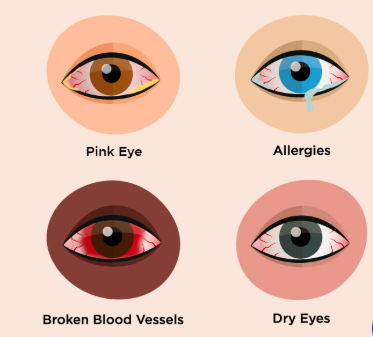
What Are Red Eyes?
Red eyes occur when the small blood vessels on the surface of the eye become more visible or enlarged. The white part of your eye is called the sclera. It normally appears white because the surface blood vessels are relatively small and less noticeable. When these vessels become dilated or irritated, the eyes can look:
- Pink
- Red
- Bloodshot
- Watery
- Irritated
- Swollen
The redness can affect one eye or both eyes, depending on the underlying cause. For example, allergies and dry eyes may affect both eyes, while a foreign body or certain infections may initially affect only one eye.
Common Causes of Red Eyes
There isn’t just one reason for eye redness. Several everyday factors and eye conditions can make the eyes appear red. Let’s look at the most common causes.
1. Dry Eyes
One of the common causes of red eyes is dry eye. Dry eye occurs when your eyes do not produce enough tears or when the tears do not function properly to keep the eye surface adequately lubricated. Along with redness, you may experience:
- Burning
- Stinging
- Grittiness
- Scratchy sensation
- Watery eyes
- Light sensitivity
- Blurry or fluctuating vision
Long periods of screen use can contribute because people often blink less while looking at computers, phones and tablets. Wind, smoke and dry environments can also cause tears to evaporate more quickly.
What Can Help?
Taking regular screen breaks, blinking frequently, avoiding direct airflow and using appropriate lubricating eye drops when recommended can help manage dry-eye symptoms. If redness continues or becomes uncomfortable, an eye examination can help determine whether dry eye is the underlying cause.
2. Eye Allergies
Allergies can cause significant eye redness, particularly when accompanied by itching. Common triggers can include:
- Pollen
- Dust
- Pet dander
- Smoke
- Certain environmental allergens
Allergic eyes may become:
- Red
- Itchy
- Watery
- Puffy
- Irritated
One important clue is itching. If both eyes become red and itchy around the same time, an allergic cause may be possible. However, other eye conditions can produce similar symptoms, so persistent redness should not automatically be assumed to be an allergy.
3. Conjunctivitis
Conjunctivitis, commonly called pink eye, is another well-known cause of red eyes. The conjunctiva is the thin membrane covering the white part of the eye and the inside of the eyelids. When it becomes inflamed, the eye can look pink or red. Depending on the cause, conjunctivitis may be associated with:
- Redness
- Watery eyes
- Burning
- Gritty sensation
- Sticky discharge
- Eyelid crusting
The NHS lists infection and dry eye among common causes of red eye and notes that conjunctivitis may cause a gritty or burning feeling with sticky eyes.
Is Every Red Eye Conjunctivitis?
No. Redness can occur due to many different conditions, including dry eye, allergies, blepharitis and a broken surface blood vessel. Therefore, it is better not to assume that every red eye is pink eye.
4. Blepharitis
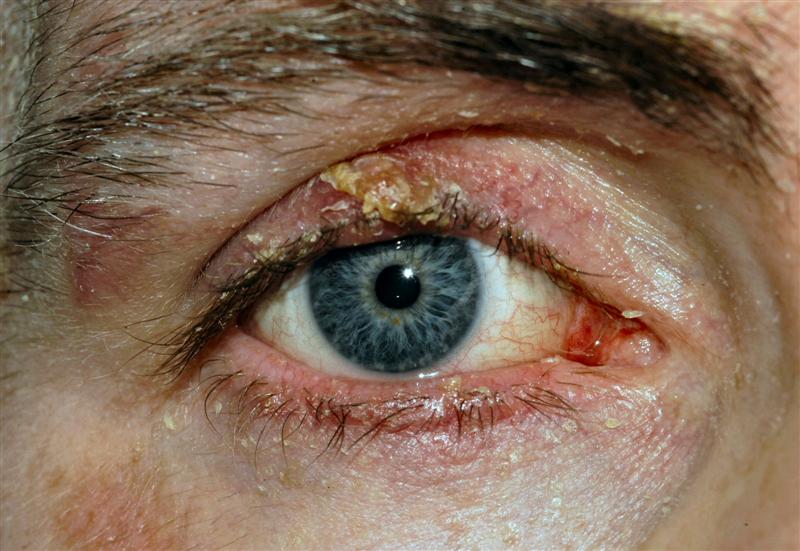
Blepharitis can cause red, swollen and irritated eyelids. Blepharitis is inflammation of the eyelids, particularly around the eyelash area. It may cause:
- Red eyelids
- Irritation
- Burning
- Crusting around eyelashes
- Watery eyes
- Dry-eye symptoms
- Eye redness
According to the Dr. Ripan Kaur , blepharitis can also contribute to chronic red eyes and may be associated with dry eye. If your redness is repeatedly accompanied by irritated or crusty eyelids, an ophthalmologist can examine the eyelids and eye surface to determine the cause.
5. A Broken Blood Vessel in the Eye
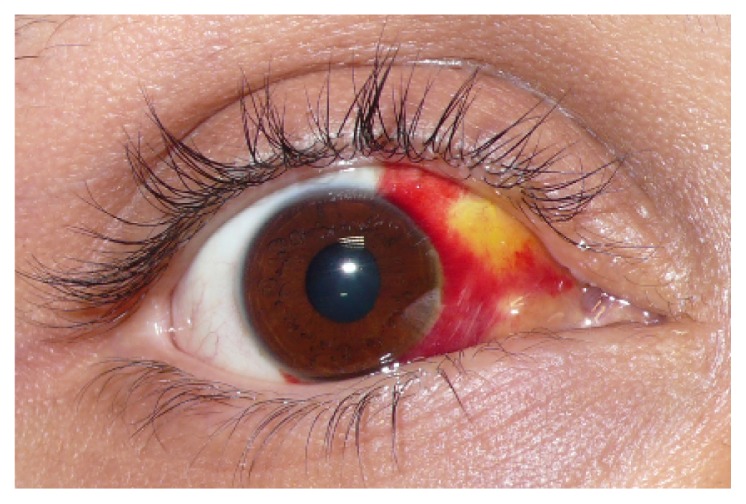
Sometimes you may notice a bright red patch on the white part of your eye. This can happen when a small blood vessel beneath the conjunctiva breaks. The condition is known as a subconjunctival hemorrhage. It can look dramatic because the blood appears bright red against the white of the eye, but it is generally painless and usually does not affect vision. You may notice it after:
- Coughing
- Sneezing
- Straining
- Minor trauma
- Or sometimes without an obvious trigger
A bright-red patch is different from generalized bloodshot eyes. If you have pain, vision changes or an eye injury along with redness, you should seek medical assessment rather than assuming it is simply a broken blood vessel.
6. Contact Lens Irritation or Infection
Contact lenses can sometimes contribute to red eyes, particularly when they are not used or cared for correctly. Possible problems include:
- Dryness
- Irritation
- Corneal injury
- Infection
- Inflammation
Contact-lens wearers need to pay particular attention to red eyes. A red eye in someone who wears contact lenses can sometimes indicate an eye infection requiring prompt assessment. The NHS specifically advises urgent assessment for a red eye in a contact-lens wearer.
What Should You Do?
If your eye becomes red while wearing contact lenses:
- Remove the lenses.
- Avoid putting them back in.
- Do not rub the eye.
- Arrange appropriate eye-care assessment, particularly if there is pain or vision change.
7. Dust, Smoke and Other Irritants
Your eyes can become red when exposed to irritating substances. Common examples include:
- Cigarette smoke
- Air pollution
- Dust
- Strong fumes
- Chlorinated water
- Cosmetics
- Chemical irritants
The eye’s surface can react to these substances with irritation, watering and redness. If something irritating enters your eye, avoid rubbing it. For a minor irritant, gently rinsing the eye with clean water may help. However, chemical exposure is different and can be an emergency. Strong chemicals such as bleach or oven cleaner require immediate medical attention while the eye is being continuously rinsed with water.
8. Too Much Screen Time
Long periods of computer or smartphone use can contribute to bloodshot eyes, particularly when combined with dry-eye symptoms. When concentrating on a screen, people may blink less frequently. Reduced blinking can allow the tear film to become unstable and contribute to dryness. You may experience:
- Red eyes
- Burning
- Dryness
- Eye strain
- Temporary blurry vision
- Watery eyes
The Dr. Ripan Kaur identifies prolonged screen use as one factor that can contribute to dry eye because blinking may decrease.
Try the 20-20-20 Approach
While working on screens, regularly look away from the screen and focus on something farther away. Also remember to blink fully and take regular breaks.
9. Lack of Sleep and Eye Fatigue
After a late night, you may notice that your eyes look more bloodshot than usual. Fatigue can be associated with:
- Eye dryness
- Reduced blinking
- Eye strain
- Increased awareness of irritation
If redness disappears after adequate rest and does not recur, it may be related to temporary eye fatigue. However, repeated or persistent redness should not automatically be attributed to lack of sleep.
10. Swimming and Chlorinated Water
Swimming pools contain chemicals that can irritate the eye surface. After swimming, some people may experience:
- Redness
- Burning
- Watery eyes
- Temporary irritation
Wearing appropriate swimming goggles can help reduce direct exposure. If redness continues after swimming or is accompanied by pain or vision changes, an eye examination may be appropriate.
11. Eye Injury or Foreign Body
A small particle such as dust, grit or another foreign body can irritate the surface of your eye. This may cause:
- Redness
- Watering
- Pain
- Blurry vision
- Sensitivity to light
- Feeling that something is stuck in the eye
Corneal injuries and infections can cause a very red, watery eye and changes in vision. The Dr. Ripan Kaur recommends urgent medical attention for intense eye pain, vision changes, very red watery eyes, an object stuck in the eye or serious eye trauma.
Don’t Rub Your Eye
Rubbing may make irritation worse or potentially damage the surface of the eye. If an object is embedded or has pierced the eye, do not attempt to remove it yourself. Seek emergency medical care.
12. Corneal Infection or Keratitis
The cornea is the clear front surface of the eye. Inflammation or infection of the cornea, called keratitis, can cause:
- Eye redness
- Eye pain
- Blurred vision
- Watery eyes
- Light sensitivity
Contact-lens-related infections are an important cause of keratitis. Because corneal infections can threaten vision, symptoms such as significant pain, redness and vision changes should be assessed promptly.
13. Uveitis
Uveitis refers to inflammation inside part of the eye. It may cause:
- Red eye
- Eye pain
- Light sensitivity
- Blurred vision
- Floaters or other visual symptoms
A painful, very red eye with light sensitivity should not simply be treated as ordinary irritation. Uveitis requires assessment by an eye professional.
14. Glaucoma and Sudden Red Eye
Some forms of glaucoma can cause sudden symptoms. Acute angle-closure glaucoma can present with:
- Severe eye pain
- Red eye
- Blurred vision
- Halos around lights
- Headache
- Nausea or vomiting
This is an eye emergency and requires immediate medical attention. Most glaucoma does not present this way, which is why regular eye examinations are important for detecting glaucoma that develops without obvious symptoms.
Red Eyes With Different Symptoms: What Could They Mean?
The combination of symptoms can provide useful clues, although it cannot replace an eye examination.
| Red Eye Symptoms | Possible Causes |
| Red + itchy | Allergy, irritation |
| Red + gritty/burning | Dry eye, conjunctivitis |
| Red + sticky discharge | Conjunctivitis |
| Red + crusty eyelids | Blepharitis |
| Bright red patch | Broken blood vessel |
| Red + contact lens use | Irritation or infection |
| Red + severe pain | Requires urgent assessment |
| Red + blurred vision | Requires prompt assessment |
| Red + light sensitivity | May indicate a more significant eye problem |
| Red + severe headache + nausea | Possible emergency |
These patterns are only general clues. Similar symptoms can occur in different conditions, so self-diagnosis is not reliable.
When Are Red Eyes an Emergency?
Not every case of eye redness is an emergency. However, seek urgent medical attention if redness occurs with:
- Severe eye pain
- Sudden changes in vision
- Loss of vision
- Significant light sensitivity
- Severe headache and nausea
- Very dark or intensely red eye
- A foreign object stuck in the eye
- Serious eye injury
- Chemical exposure
- Red eye with contact-lens use, especially when painful or associated with vision changes
Sudden vision loss or severe eye pain requires emergency assessment.
How Are Red Eyes Diagnosed?
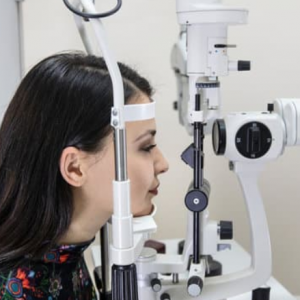
If your redness is persistent, recurrent or associated with other symptoms, an ophthalmologist may perform a detailed eye examination. Depending on your symptoms, the examination may include:
Visual Acuity Testing
Checks how clearly you can see.
Slit-Lamp Examination
Allows detailed examination of the cornea, conjunctiva, eyelids and other structures.
Eye Pressure Measurement
May be useful when glaucoma is suspected.
Fluorescein Examination
A special dye can help identify certain surface injuries or abnormalities of the cornea.
Dilated Eye Examination
If necessary, your ophthalmologist may examine deeper structures of the eye. The specific tests depend on your symptoms and examination findings.
Treatment for Red Eyes
There is no single red eye treatment because treatment depends on the underlying cause. For example:
Dry Eye
Management may include lubricating eye drops, lifestyle changes and treatment of contributing factors.
Allergies
Avoiding triggers and appropriate allergy treatment may help.
Conjunctivitis
Treatment depends on whether the condition is infectious, allergic or caused by another factor.
Blepharitis
Eyelid hygiene and other treatments may be recommended depending on the cause.
Corneal Infection
Specific medical treatment may be required.
Glaucoma or Uveitis
These conditions require professional diagnosis and condition-specific treatment. Therefore, avoid using random eye drops simply because your eyes look red.
What Can You Do to Prevent Red Eyes?
Some simple habits may help reduce avoidable irritation.
Take Regular Screen Breaks
Give your eyes regular breaks during prolonged screen use.
Blink Frequently
Conscious blinking can help maintain the tear film.
Avoid Rubbing Your Eyes
Rubbing can worsen irritation.
Follow Contact Lens Hygiene
Follow your eye-care professional’s instructions for contact-lens cleaning, replacement and wearing schedules.
Protect Your Eyes
Use suitable protective eyewear when working around dust, chemicals or flying particles.
Avoid Direct Airflow
Fans and air conditioners blowing directly toward your eyes can increase dryness.
Get Persistent Redness Checked
If redness repeatedly returns or does not improve, professional evaluation can help identify the cause.
Red Eyes: When Should You See an Eye Specialist?
You should consider an eye examination if:
- Your redness keeps returning.
- Redness lasts longer than expected.
- You have persistent discomfort.
- Your vision changes.
- You have recurrent dryness.
- You wear contact lenses and develop redness.
- You develop pain or light sensitivity.
- You are unsure why your eye has become red.
Persistent symptoms deserve attention because the same outward appearance can have very different underlying causes.
Final Takeaway
Red eyes are common, but the reason behind the redness can vary significantly. Dryness, allergies, conjunctivitis, blepharitis, screen use, irritation and broken blood vessels are among the possible causes. However, a red eye associated with pain, vision changes, light sensitivity, injury or severe headache and nausea can require urgent assessment. Instead of assuming that every case of eye redness is caused by tiredness or infection, pay attention to the symptoms that occur alongside the redness. If your red eyes are persistent, recurrent or affecting your comfort or vision, a comprehensive eye examination can help identify the underlying cause.