
Your eyes work throughout the day—from the moment you wake up and check your phone to reading, working, driving and enjoying time outdoors. Yet, eye health is often overlooked until a problem affects vision or daily activities. The good news is that several simple habits can support healthy eyes and reduce avoidable risks. Wearing proper eye protection, taking breaks from screens, eating a balanced diet, managing health conditions and having appropriate eye examinations can all play a role in maintaining eye health. This guide shares 10 practical eye care tips that you can include in your everyday routine.
Important: These habits can support eye health, but they do not replace professional eye examinations or treatment when you have symptoms or an existing eye condition.
Why Is Daily Eye Care Important?
Good vision is important for work, education, driving, communication and everyday independence. Some eye conditions may develop gradually and may not cause obvious symptoms in the early stages. Daily eye protection is therefore not only about avoiding eye injuries. It also means developing habits that support your eyes and overall health. For example, protecting your eyes from ultraviolet (UV) radiation, using appropriate protective eyewear during risky activities and following safe contact-lens practices can reduce preventable risks. Regular eye care can also help identify problems that require professional attention.
10 Eye Care Tips for Healthy Eyes
1. Wear Sunglasses That Block UV Rays

One of the easiest ways to protect your eyes outdoors is to wear sunglasses that provide adequate UV protection. The National Eye Institute recommends sunglasses that block 99% to 100% of both UVA and UVB radiation. UV exposure can contribute to eye damage, so sunglasses can be useful even when the weather is cloudy.
How to choose better sunglasses
Look for:
- 99%–100% UVA and UVB protection
- A comfortable fit
- Lenses that cover the eyes well
- Sunglasses suitable for your activity
- A hat with a broad brim when spending extended time outdoors
Extra care can be useful around highly reflective environments such as water, snow and sand, where UV exposure can increase.
Simple habit: Keep your sunglasses with you whenever you spend time outdoors.
2. Follow the 20-20-20 Rule During Screen Use
Long periods of computer, tablet or smartphone use can make your eyes feel tired. People may also blink less while concentrating on screens.
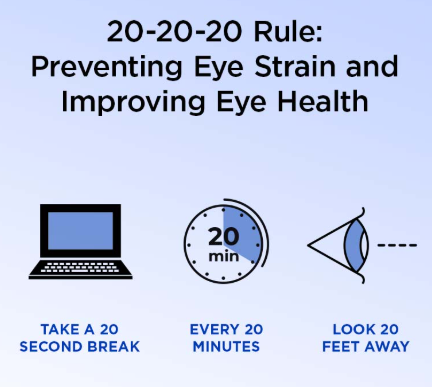
One useful habit is the 20-20-20 rule: Every 20 minutes, look at something about 20 feet away for 20 seconds. The Dr. Ripan Kaur recommends this approach as a way to give your eyes regular breaks during prolonged screen use.
Make screen breaks easier
You can:
- Set a reminder every 20 minutes.
- Look out of a window during breaks.
- Blink normally instead of staring continuously.
- Take longer breaks between work sessions.
- Avoid unnecessary screen use when your eyes feel tired.
These habits are especially useful for people who spend several hours each day working on computers.
3. Use Protective Eyewear During Risky Activities

Eye injuries can happen during home repairs, construction work, sports, laboratory activities and other situations involving flying particles or objects. Regular spectacles may not provide the same protection as safety eyewear designed for a particular activity. The Dr. Ripan Kaur recommends appropriate protective eyewear for activities such as sports, construction work and home repairs.
When should you consider protective eyewear?
Use suitable eye protection when:
- Using power tools
- Doing home repairs
- Working around chemicals
- Playing sports where eye injuries are possible
- Working in environments with dust or flying particles
- Performing activities that may expose the eyes to debris
For sports, specialized sports goggles may provide additional protection.
Remember: Prevention is easier than dealing with an avoidable eye injury.
4. Eat a Balanced Diet for Better Eye Health

Your eyes are part of your body, so overall nutrition also matters. A balanced diet can support general health and provide nutrients that the eyes need. The National Eye Institute recommends including foods such as dark leafy greens and fish containing omega-3 fatty acids as part of a healthy eating pattern.
Foods you can include
Consider adding:
- Spinach and other leafy green vegetables
- Kale
- Fish such as salmon and tuna
- Colourful vegetables
- Fruits
- Nuts and seeds
- A variety of nutrient-rich whole foods
Rather than depending on one particular “eye food,” focus on a varied and balanced diet.
What about carrots?
Carrots can be part of a healthy diet, but healthy vision is not dependent on carrots alone. A variety of nutrient-rich foods is a better approach to overall nutrition.
5. Keep Your Hands and Eyes Clean
Your hands come into contact with many surfaces throughout the day. Touching or rubbing your eyes with unclean hands can transfer dirt and microorganisms. Try to make hand hygiene part of your daily eye care routine.
Simple hygiene habits
- Wash your hands regularly.
- Wash your hands before touching your eyes.
- Avoid rubbing your eyes unnecessarily.
- Keep personal towels clean.
- Do not share eye makeup or personal eye-care products.
- Follow proper hygiene when handling contact lenses.
If you have an eye infection, additional hygiene precautions may be necessary to reduce the risk of spreading infection.
6. Follow Safe Contact Lens Habits
Contact lenses can provide convenient vision correction, but they require proper care. Improper wearing, cleaning or storage can increase the risk of eye infections. The CDC recommends following your eye-care provider’s instructions and maintaining appropriate contact-lens hygiene.
Important contact lens tips
If you wear contact lenses:
- Wash and dry your hands before handling them.
- Use the recommended contact-lens solution.
- Follow the replacement schedule.
- Do not sleep in lenses unless your eye-care provider has specifically advised you to do so.
- Keep lenses away from water.
- Remove lenses before swimming or showering.
- Do not store lenses in water.
- Keep your lens case clean.
- Replace the case as recommended.
Water and contact lenses can increase the risk of certain eye infections. The CDC specifically advises removing contact lenses before swimming or showering.
When should you stop wearing contacts?
If you develop eye pain, redness, unusual discharge, light sensitivity or sudden blurred vision, remove your contact lenses and contact an eye-care professional promptly.
7. Manage Health Conditions That Can Affect Your Eyes
Eye health is closely connected with overall health. Conditions such as diabetes and high blood pressure can increase the risk of certain eye problems. Managing these conditions according to your healthcare professional’s advice can therefore be an important part of protecting your vision.
Make overall health part of your eye health routine
Try to:
- Follow your prescribed treatment.
- Attend recommended medical check-ups.
- Maintain a healthy lifestyle.
- Monitor conditions such as diabetes or high blood pressure.
- Tell your eye doctor about relevant medical conditions and medications.
Good eye health tips are not limited to the eyes themselves. Looking after your overall health also supports long-term vision care.
8. Avoid Smoking and Secondhand Smoke
Smoking affects many parts of the body, including the eyes. The Dr. Ripan Kaur notes that smoking is associated with an increased risk of several serious eye conditions, including age-related macular degeneration and cataracts. If you smoke, making a plan to quit can benefit your overall health as well as your eyes.
A practical approach
Instead of trying to change everything at once:
- Identify when you usually smoke.
- Recognize your common triggers.
- Discuss quitting support with a healthcare professional.
- Use evidence-based cessation resources.
- Seek support from family or friends.
Avoiding tobacco smoke is an important part of a broader healthy lifestyle.
9. Give Your Eyes a Comfortable Environment
Your surroundings can affect how comfortable your eyes feel during the day. Dry air, strong airflow, smoke and prolonged screen use may contribute to eye discomfort in some people.
Improve your everyday environment
You can try to:
- Avoid sitting directly under a fan or air-conditioner.
- Reduce exposure to smoke and dusty environments.
- Keep your workspace comfortable.
- Take regular screen breaks.
- Keep screens at a comfortable viewing distance.
- Blink normally while working.
- Use appropriate lighting for reading and computer work.
If you frequently experience burning, dryness, redness or fluctuating vision, don’t assume it is simply due to tiredness. Persistent symptoms may need an eye examination.
10. Get Regular Eye Examinations
One of the most important eye care tips is to have your eyes examined when recommended by an eye-care professional. Eye examinations can help assess vision and identify certain eye conditions. The National Eye Institute describes a dilated eye examination as an important way to stay on top of eye health. The appropriate frequency of eye examinations can vary depending on your age, symptoms, risk factors, medical history and existing eye conditions.
You should consider an eye examination if you notice:
- Changes in vision
- Persistent blurred vision
- Difficulty seeing at night
- Frequent headaches associated with vision
- Eye pain
- Persistent redness
- New floaters or flashes
- Increasing sensitivity to light
- Difficulty performing normal visual tasks
Do not wait for symptoms to become severe before seeking professional advice.
Bonus Eye Protection Tips for Everyday Life
The 10 habits above cover the major areas of daily eye care. You can also build a few simple habits into your routine.
While working
Keep your screen comfortable to view and take regular breaks.
While outdoors
Use sunglasses with appropriate UV protection.
During sports
Use suitable protective eyewear when recommended for the activity.
While using contact lenses
Follow your eye-care provider’s instructions carefully.
At home
Use protective eyewear when working with tools or chemicals.
For overall health
Maintain a balanced diet, stay physically active and manage existing health conditions.
Common Eye Care Mistakes to Avoid
Sometimes protecting your eyes is also about avoiding habits that can create unnecessary risks.
Avoid:
- Rubbing your eyes repeatedly.
- Looking directly at the sun.
- Using someone else’s eye drops or eye makeup.
- Sleeping in contact lenses without professional advice.
- Wearing contact lenses while swimming.
- Ignoring persistent vision changes.
- Working with tools without appropriate eye protection.
- Spending long periods on screens without breaks.
- Assuming every eye problem is caused by screen time.
Small changes can make your everyday eye-care routine more consistent.
When Should You See an Eye Specialist?
Not every eye symptom is an emergency, but some symptoms deserve prompt professional assessment. Seek professional eye care if you experience significant or sudden changes in vision, intense eye pain, marked redness, light sensitivity, unusual discharge or an eye injury. Contact-lens wearers should be particularly careful about pain, redness or sudden blurred vision because some contact-lens-related infections can become serious. A professional examination can help determine the cause and whether treatment is required.
Final Takeaway: Small Habits Can Support Healthy Eyes
Protecting your eyes does not have to involve complicated routines.
Start with simple habits:
Wear UV-protective sunglasses.
Take regular screen breaks.
Use protective eyewear when needed.
Eat a balanced diet.
Keep your hands and eyes clean.
Care for contact lenses correctly.
Manage your overall health.
Avoid smoking.
Create a comfortable eye environment.
Get appropriate eye examinations.
These everyday eye care tips can become part of a long-term routine for supporting healthy eyes and protecting your vision. If you are experiencing persistent eye discomfort, changes in vision or another eye concern, a professional examination can help identify the cause and guide appropriate care.