
Have you ever wondered, “Why are my eyes dry, burning and itchy at the same time?” Eye discomfort can be confusing because similar symptoms can occur for very different reasons. One person may have dry eye after spending hours on a computer, while another may experience intense itching because of an allergy. In some people, eyelid inflammation can cause burning, itching, crusting and dryness together. That means dry itchy eyes are not always simply a sign that you need eye drops. The combination of dryness, burning, itching, watering or redness can provide useful clues about what may be irritating your eyes. Understanding these symptoms can help you recognize possible triggers and know when an eye examination may be appropriate. In this article, we explain the common causes of dry itchy eyes, burning eyes and eye irritation, how different symptoms may be connected, what an eye specialist may look for during an examination, and when professional care is important.
Important: Eye symptoms can have several causes, and this article is for general educational information. A proper examination is needed to diagnose an individual eye condition.
Dry, Burning and Itchy Eyes: Are They the Same Problem?
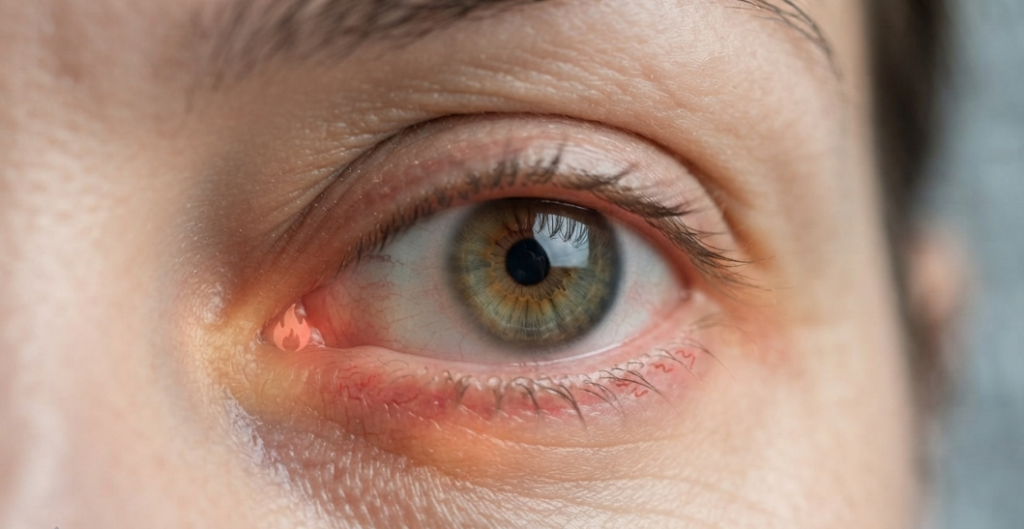
Not necessarily. Dryness, burning and itching are symptoms, not diagnoses. For example:
- Dryness and a gritty feeling may occur with dry eye.
- Strong itching may point toward an allergic reaction.
- Burning with crusty eyelashes may occur with blepharitis.
- Burning after prolonged screen use may be related to reduced blinking and ocular surface irritation.
- Contact lens wear can contribute to discomfort in some people.
- Redness, pain and vision changes may indicate a problem requiring prompt assessment.
The symptoms can also overlap. For instance, inflammation around the eyelids can affect the tear film and contribute to dry-eye symptoms. The Dr. Ripan Kaur lists burning, itching, watery eyes and dry eyes among symptoms associated with blepharitis. So rather than asking only “What eye drop should I use?”, it can be more useful to ask: “What is causing my eyes to feel this way?”
What Does It Mean When Your Eyes Feel Dry?
The surface of the eye is normally covered by a thin layer of tears called the tear film. Tears help keep the eye surface smooth, comfortable and protected. They also contribute to clear vision and help protect the eye from dust and other irritants. Dry eye can occur when the eyes do not produce enough tears or when the tears do not function properly. This may create sensations such as:
- Dryness
- Scratchiness
- Burning
- Stinging
- Grittiness
- Redness
- Light sensitivity
- Fluctuating or blurred vision
But there is an important distinction: Not every itchy or burning eye is caused by dry eye. That is why persistent symptoms deserve proper evaluation.
10 Common Reasons Your Eyes May Feel Dry, Burning or Itchy
1. Dry Eye

Dry eye is one of the most common explanations for eye discomfort. When the tear film does not adequately protect the eye surface, irritation can develop. This may produce burning, stinging, scratchiness, redness or a feeling that something is stuck in the eye. Dryness may become more noticeable during activities that require prolonged visual concentration. However, if itching is the dominant symptom, allergies or eyelid conditions should also be considered.
2. Eye Allergies
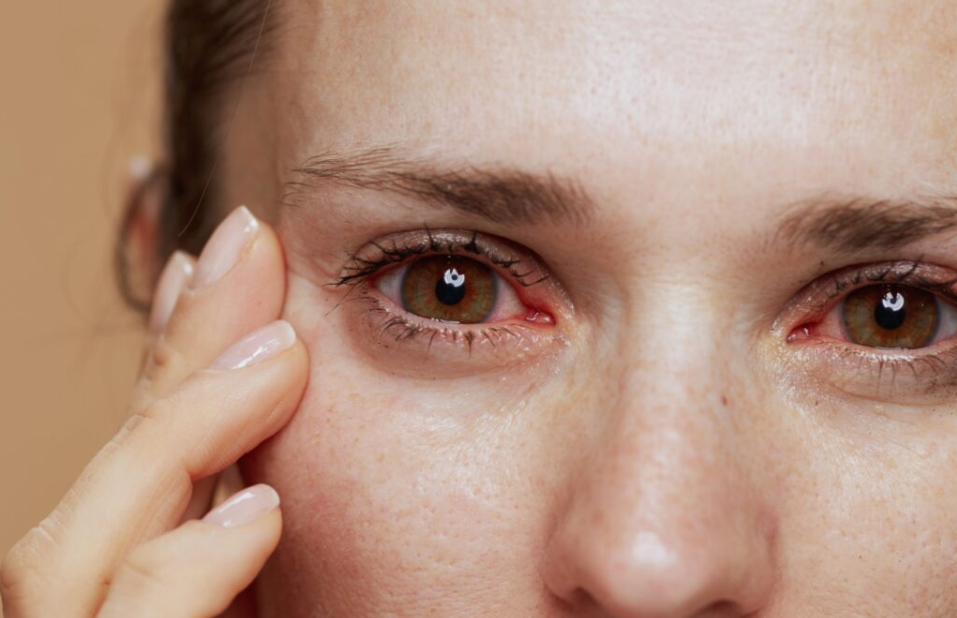
If your biggest complaint is itchy eyes, an allergic reaction may be one possible cause. Allergic conjunctivitis can cause:
- Intense itching
- Redness
- Watery eyes
- Swollen eyelids
- Eye irritation
- Increased tearing
Allergic conjunctivitis often affects both eyes because the trigger is usually environmental. Common triggers can include pollen and other allergens.
A Useful Clue
If your eyes become particularly itchy around certain environments, seasons or known allergens, an allergic component may be worth discussing with an eye specialist. Repeatedly rubbing the eyes may provide temporary relief but can further irritate the surrounding tissues.
3. Blepharitis
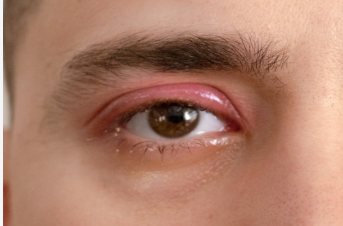
Another important cause of burning and itchy eyes is blepharitis. Blepharitis is inflammation of the eyelids. It can cause:
- Red or swollen eyelids
- Burning or stinging
- Itchy eyes
- Watery eyes
- Dry eyes
- Crust around the eyelashes
- Foreign-body sensation
The The Dr. Ripan Kaur explains that blepharitis can involve the area around the eyelashes or the inner edge of the eyelid, including the oil glands.
Does Blepharitis Cause Dry Eyes?
It can. Problems involving the eyelid margins and oil glands can interfere with the tear film, and blepharitis can occur alongside dry-eye symptoms. If you frequently wake up with crusty eyelashes, irritated eyelids and burning eyes, an eye examination may help determine whether blepharitis is contributing.
4. Long Hours on a Computer or Phone
Modern digital habits can contribute to eye discomfort. When concentrating intensely on a screen, people may blink less frequently. Reduced blinking can affect the tear film and contribute to dryness and irritation. You may notice:
- Burning after work
- Dryness in the evening
- Temporary blurred vision
- Eye fatigue
- Frequent blinking
- Difficulty keeping your eyes comfortable
What Can You Do?
During prolonged screen work:
- Take regular visual breaks.
- Blink consciously.
- Avoid placing a fan directly toward your face.
- Keep your screen at a comfortable distance.
- Avoid working continuously without breaks.
If symptoms remain persistent despite improving screen habits, an eye examination can help identify other causes.
5. Air Conditioning, Fans and Dry Environments
Your surroundings can affect your eyes. Air conditioning, heaters, fans and windy conditions can increase exposure to moving or dry air. This may make the eyes feel more irritated, especially if the tear film is already unstable.
You may notice symptoms while:
- Sitting directly under an AC vent
- Travelling in a car with air blowing toward your face
- Spending time outdoors in strong wind
- Working in a dry office
- Sitting near a heater or fan
Reducing direct airflow toward the eyes can sometimes improve comfort.
6. Contact Lens-Related Irritation
Contact lenses can be convenient, but some users experience dryness or discomfort while wearing them. If your eyes become increasingly:
- Dry
- Red
- Burning
- Itchy
- Watery
- Uncomfortable
while wearing lenses, it is worth discussing the symptoms with an eye-care professional. Contact-lens-related problems should not simply be ignored, particularly when discomfort is significant or vision changes occur. Some corneal infections are associated with contact lens use, and significant pain or vision changes require prompt attention.
7. Irritants in the Environment
Not every irritated eye is caused by an allergy. Smoke, dust, pollution, chemical fumes and other environmental irritants can make the eyes uncomfortable. You may experience:
- Burning
- Watering
- Redness
- Scratchiness
- Temporary discomfort
If symptoms repeatedly occur in a particular environment, identifying and reducing exposure to the irritant may be helpful.
8. Certain Medicines
Some medicines can contribute to dry-eye symptoms. The The Dr. Ripan Kaur notes that certain medicines used for conditions including colds, allergies, depression and high blood pressure can contribute to dry eye in some people. However, do not stop a prescribed medicine on your own. If you suspect a medicine may be affecting your eyes, discuss the possibility with your prescribing doctor or ophthalmologist.
9. Hormonal or Medical Factors
Dry eye can sometimes be associated with broader changes in the body. Certain hormonal changes and medical conditions can influence tear production. The The Dr. Ripan Kaur lists conditions including diabetes, thyroid problems and autoimmune disorders such as lupus and Sjögren syndrome among health factors associated with dry eye. If eye dryness is persistent and accompanied by other unexplained symptoms, mention the complete pattern to your doctor.
10. Other Eye-Surface Problems
Dryness and itching can sometimes occur alongside other eye-surface conditions. For example, allergies can produce itchy, red and watery eyes, while corneal conditions may produce pain, redness, watering, light sensitivity or blurred vision. This is why self-diagnosing based on one symptom can sometimes be misleading.
What Does the Combination of Symptoms Tell You?
The pattern of symptoms can provide clues, although it cannot replace an examination.
| Symptoms | Possible contributors |
| Dry + gritty | Dry eye, environmental dryness |
| Dry + burning | Dry eye, screen exposure, irritation |
| Itchy + watery | Allergy, irritation |
| Itchy + swollen eyelids | Allergy, eyelid inflammation |
| Burning + crusty eyelashes | Blepharitis |
| Dry + screen-related discomfort | Reduced blinking, dry eye |
| Red + painful | Several possible conditions; examination may be needed |
| Pain + vision change | Requires prompt professional assessment |
These patterns are not diagnostic on their own.
Why Are My Eyes Itchy but Also Dry?
This combination is particularly confusing.You may think that itching automatically means allergy, while dryness automatically means dry eye. In reality, more than one factor may be involved. For example, someone may have an underlying tendency toward dry eye and also experience seasonal allergy symptoms. Similarly, eyelid inflammation can contribute to both dryness and itching. This is one reason a detailed eye examination can be more useful than repeatedly changing eye drops without understanding the underlying problem.
Why Do My Eyes Burn More at the End of the Day?
If burning eyes become worse after several hours of work, consider what your eyes have been doing throughout the day.Long periods of:
- Computer use
- Mobile use
- Reading
- Driving
- Air-conditioned office work
- Contact lens wear
can increase visual and ocular-surface discomfort.Reduced blinking during concentrated screen use may contribute to dry-eye symptoms. If the burning occurs every day or is accompanied by persistent redness, pain or blurred vision, do not automatically assume it is just tiredness.
Why Are My Eyes Itchy in the Morning?
Morning symptoms can sometimes provide useful information. If you wake up with:
- Crust around your eyelashes
- Irritated eyelids
- Burning
- Itching
- Redness
- Watery eyes
blepharitis may be one possibility. The condition commonly causes crusty eyelids or eyelashes on waking, along with burning and itching.Allergies and dry eye can also cause morning discomfort.An examination of the eyelids and eye surface can help distinguish between possible causes.
How Does an Eye Specialist Find the Cause?
Diagnosis starts with your symptoms and medical history. Your ophthalmologist may ask:
- When did the symptoms begin?
- Are both eyes affected?
- Is itching or burning more prominent?
- Do symptoms worsen outdoors?
- Do you use contact lenses?
- How many hours do you spend on screens?
- Do you have allergies?
- Are your eyelids crusty in the morning?
- What medicines do you take?
- Have you had previous eye surgery?
The eye specialist may then examine the eyelids, eyelashes, conjunctiva, cornea and tear film. For suspected dry eye, tests can include slit-lamp examination, Schirmer testing and tear break-up time (TBUT) to assess tear production and tear-film stability.
What Can Help Dry, Burning or Itchy Eyes?
The appropriate approach depends on the cause. General measures may include:
Give Your Eyes Regular Breaks
If screen use contributes to symptoms, take regular breaks and consciously blink.
Reduce Direct Airflow
Keep fans and AC vents from blowing directly into your eyes.
Avoid Rubbing Your Eyes
Rubbing may temporarily relieve itching but can further irritate the eye surface.
Protect Your Eyes Outdoors
Sunglasses can help reduce exposure to wind and environmental irritants.
Follow Proper Eyelid Hygiene When Recommended
If blepharitis is diagnosed, an ophthalmologist may recommend an eyelid-cleaning routine and warm compresses.
Use Eye Drops Appropriately
Lubricating drops may be useful for some dry-eye patients, but persistent symptoms should be evaluated so that treatment matches the cause. Avoid randomly using medicated eye drops—particularly steroid-containing drops—without professional guidance.
When Should You See an Eye Specialist?

You should consider an eye examination if:
- Symptoms continue for several days or repeatedly return.
- Itching is interfering with daily activities.
- Burning occurs frequently.
- Your eyes remain persistently red.
- You experience recurring blurred vision.
- Contact lenses are becoming uncomfortable.
- Eyelids repeatedly become swollen or crusty.
- Home measures are not helping.
Seek Prompt Eye Care for Serious Symptoms
Some symptoms should not be treated as ordinary dryness. Seek prompt medical attention if you experience:
- Intense eye pain
- Sudden or significant vision changes
- Very red and watery eyes
- Serious eye injury
- An object stuck in the eye
- Significant light sensitivity associated with pain
The The Dr. Ripan Kaur recommends urgent evaluation for intense eye pain, vision changes, very red/watery eyes, foreign objects and serious eye trauma.
Frequently Asked Questions About Dry Itchy Eyes
Q1. Are itchy eyes always caused by allergies?
No. Allergies are an important cause of itchy eyes, but eyelid inflammation and other conditions can also cause itching.
Q2. Can dry eyes make my eyes burn?
Yes. Burning and stinging are recognized symptoms of dry eye.
Q3. Why are my eyes watery if they feel dry?
Irritation can trigger reflex tearing. Therefore, watery eyes and dry-eye symptoms can occur together.
Q4. Can using my phone cause dry itchy eyes?
Prolonged screen use can reduce blinking and contribute to dry-eye symptoms. If itching is prominent, however, other causes such as allergy should also be considered.
Q5. Can blepharitis cause both itching and dryness?
Yes. Blepharitis can cause itchy, burning and watery eyes and can also be associated with dry-eye symptoms.
Q6. Should I use eye drops whenever my eyes burn?
Not automatically. Burning can have different causes. Lubricating drops may help some people with dry eye, but recurring symptoms should be assessed to determine the underlying cause.
Q7. Can contact lenses cause burning eyes?
Contact lenses can contribute to discomfort or dryness in some users. Significant pain, redness or vision changes while wearing lenses should be evaluated promptly.
Q8. When are itchy eyes an emergency?
Itching alone is usually not an emergency, but itching accompanied by severe pain, major vision changes, significant redness, trauma or other serious symptoms needs prompt professional assessment.
Final Takeaway
Dry itchy eyes, burning eyes and watery eyes can have several different causes. Sometimes the reason is straightforward—such as prolonged screen exposure or a dry environment. In other cases, symptoms may be related to allergies, blepharitis, dry eye, contact lens irritation or another eye-surface condition. The most important point is that symptoms should be considered together rather than in isolation.If your eyes repeatedly feel dry, burning or itchy, especially when symptoms affect your vision or everyday activities, a comprehensive eye examination can help identify the possible cause and guide appropriate care.