
Do your eyes often feel dry, gritty, burning or tired? Do you experience blurred vision after spending several hours on a computer or mobile phone? These symptoms may be associated with dry eye.Dry eye is a common eye condition that occurs when the eyes do not produce enough tears or when the tears do not function properly to keep the eye surface adequately lubricated. It can cause discomfort, visual fluctuations and difficulty with everyday activities. Although occasional eye dryness can happen to almost anyone, persistent symptoms should not simply be ignored. Long-lasting or severe dry eye may affect the surface of the eye and, in some cases, can contribute to corneal problems. This complete guide explains dry eye symptoms, dry eye causes, diagnosis, dry eye treatment options and practical prevention strategies.
What Is Dry Eye?
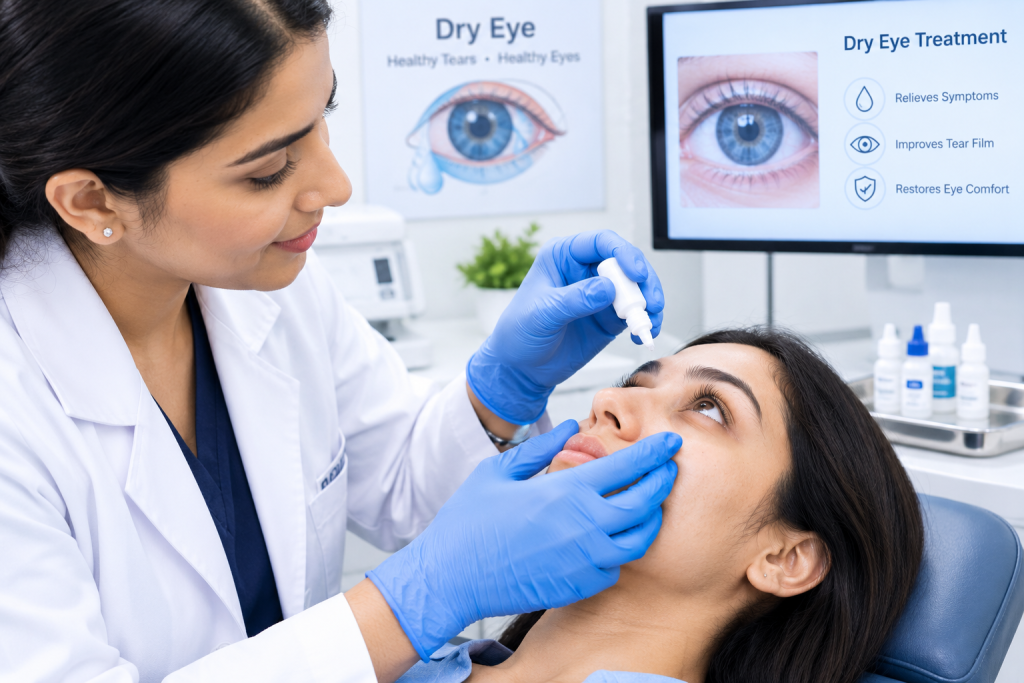
Dry eye occurs when the eyes cannot maintain a healthy and stable tear film. Tears are much more than water. They form a thin protective layer over the surface of the eye every time you blink. This tear film helps keep the eye smooth and comfortable, supports clear vision and protects the eye surface. Dry eye can develop when:
- The eyes do not produce enough tears.
- Tears evaporate too quickly.
- The quality or composition of tears is not adequate.
- The eyelids or tear glands are not functioning normally.
Because several factors can contribute to dry eye, the treatment that works for one person may not be the same for another.
Understanding the Tear Film
To understand dry eye, it helps to understand what tears actually do. The tear film has several components that work together to protect the eye.
Outer Oily Layer
The oily layer helps reduce evaporation of tears and keeps the tear film stable.
Middle Watery Layer
This layer provides much of the moisture that keeps the eye surface hydrated.
Inner Mucus Layer
The inner layer helps tears spread evenly and remain attached to the eye surface. When these components do not work properly together, the tear film can become unstable, resulting in dry eye symptoms.
Dry Eye Causes
There is no single cause of dry eye. Several environmental, lifestyle, medical and eye-related factors can contribute.
1. Reduced Tear Production
Some people do not produce enough tears to keep their eyes adequately moist. Tear production can decrease with age and may also be affected by certain medical conditions and medications.
2. Excessive Tear Evaporation
In some people, tears are produced but disappear too quickly. Problems involving the eyelid oil glands, particularly the meibomian glands, can contribute to evaporative dry eye.
3. Prolonged Screen Use

Computers, tablets and smartphones have become an important part of everyday life. When concentrating on a screen, people may blink less frequently. Reduced blinking can interfere with the normal spreading of tears over the eye surface and may contribute to dryness. This is sometimes referred to as digital eye strain, although screen-related symptoms can have several causes and are not always caused exclusively by dry eye.
4. Air Conditioning and Dry Environments
Air-conditioned rooms, fans, heaters and dry climates can increase tear evaporation. Spending long periods in:
- Air-conditioned offices
- Heated rooms
- Very dry environments
- Windy outdoor conditions
may make dry eye symptoms worse.
5. Smoke and Air Pollution
Smoke and environmental irritants can affect the ocular surface and make existing dry eye symptoms more uncomfortable. Avoiding cigarette smoke and minimizing exposure to irritating environmental conditions can help protect the eye surface.
6. Contact Lens Use
Contact lenses can contribute to dry-eye symptoms in some people. If your eyes frequently feel uncomfortable while wearing contact lenses, you should discuss the symptoms with an eye specialist rather than simply continuing to wear them through discomfort.
7. Certain Medications
Dry eye can sometimes occur as a side effect of medicines used for other health conditions. Some medications used for allergies, colds, depression and high blood pressure may contribute to dry-eye symptoms. If you suspect a medication is contributing to your symptoms, do not stop it yourself. Discuss the issue with the doctor who prescribed it.
8. Hormonal Changes
Hormonal changes can influence tear production and the ocular surface. Dry eye may become more common with aging, and hormonal changes associated with pregnancy or menopause can also contribute to symptoms.
9. Medical Conditions
Some health conditions can be associated with dry eye. These include:
- Diabetes
- Thyroid-related conditions
- Autoimmune disorders
- Sjögren syndrome
- Certain inflammatory conditions
The underlying condition may need to be evaluated when dry-eye symptoms are persistent or significant.
10. Previous Eye Surgery
Dry eye symptoms can occur after some types of eye surgery, including certain forms of laser vision correction. The duration and severity vary between individuals. Anyone considering refractive surgery should have their ocular surface evaluated beforehand.
Dry Eye Symptoms

Dry eye symptoms can range from mild irritation to persistent discomfort and visual disturbance. Common symptoms include:
- Dry or scratchy feeling
- Burning or stinging
- Gritty sensation
- Red eyes
- Sensitivity to light
- Blurred or fluctuating vision
- Eye fatigue
- Excessive watering
- Feeling as though something is stuck in the eye
- Discomfort while wearing contact lenses
The Dr. Ripan Kaur lists burning, scratchiness, redness and blurred vision among common dry-eye symptoms.
Why Can Dry Eyes Cause Watery Eyes?
It may seem strange, but dry eye can sometimes cause excessive watering. When the eye surface becomes irritated, the body may produce reflex tears. However, these tears may not provide the same stable lubrication as the normal tear film. As a result, someone can experience both dryness and watering. This is one reason why watery eyes do not always mean that the eyes are adequately lubricated.
Dry Eye and Blurred Vision
Dry eye can affect the quality of the tear film covering the cornea. Because the tear film contributes to a smooth optical surface, instability can cause vision to fluctuate, particularly during activities such as reading or screen use. If blurred vision is persistent, sudden or significant, however, it should not automatically be attributed to dry eye. Other eye conditions can also cause blurred vision and may require evaluation.
Who Is More Likely to Develop Dry Eye?
Dry eye can affect anyone, but certain factors can increase the likelihood. Risk factors include:
Age
Dry eye becomes more common with increasing age.
Contact Lens Wear
People who wear contact lenses may experience dryness or discomfort.
Long Screen Hours
Extended computer, tablet or smartphone use can reduce blinking and contribute to ocular-surface discomfort.
Certain Medical Conditions
Autoimmune and other systemic conditions may increase the risk.
Environmental Exposure
Wind, smoke and dry air can increase tear evaporation.
How Is Dry Eye Diagnosed?
If you regularly experience dry-eye symptoms, an eye examination can help determine whether dry eye is present and identify possible contributing factors. Your ophthalmologist may examine:
- The surface of the eye
- Eyelids and eyelid margins
- Tear production
- Tear-film stability
- The cornea
- Overall eye health
The Dr. Ripan Kaur notes that several tests can be used to evaluate dry eye.
Slit-Lamp Examination
A slit lamp is a specialized microscope used to examine the eye. It allows the doctor to evaluate the cornea, conjunctiva, eyelids and tear film in detail.
Schirmer’s Test
A Schirmer test can help measure tear production. A small strip of paper is placed near the lower eyelid, and the amount of moisture produced over a specified period is measured.
Tear Break-Up Time
The tear break-up time test evaluates how long the tear film remains stable after blinking. A dye may be used to visualize the tear film and determine how quickly dry areas appear.
Dry Eye Treatment
The best dry eye treatment depends on the cause and severity of symptoms. Treatment may focus on improving lubrication, reducing inflammation, protecting the ocular surface or treating an underlying condition.
1. Artificial Tears
Artificial tears are commonly used for mild dry eye. They can provide temporary lubrication and help reduce symptoms such as burning, irritation and scratchiness. Different formulations are available, so your eye doctor can help determine what may be appropriate.
2. Lubricating Gels and Ointments
For some people, thicker lubricating products may provide longer-lasting moisture. They can sometimes cause temporary blurred vision, so your doctor may recommend using them at particular times, such as before sleep.
3. Prescription Eye Drops
Moderate or more persistent dry eye may require prescription treatment. Depending on the underlying cause, an ophthalmologist may prescribe medicines that address inflammation or help improve tear production. Prescription treatment should be selected based on an individual examination.
4. Warm Compresses
Warm compresses may be recommended when eyelid oil-gland dysfunction contributes to dry eye. They can help support eyelid hygiene and the function of the glands that contribute oils to the tear film. Ask your eye specialist about the correct technique if you are unsure.
5. Eyelid Hygiene
Keeping the eyelids and eyelid margins clean may be helpful, particularly when eyelid inflammation contributes to symptoms. Your ophthalmologist can recommend an appropriate eyelid-cleaning routine.
6. Punctal Plugs
Tears normally drain through small openings called tear ducts.If tears are draining too quickly, an ophthalmologist may consider punctal plugs to help retain tears on the eye surface. This treatment is not appropriate for everyone and should be considered after evaluation.
7. Treating the Underlying Cause
Sometimes dry eye is associated with another medical condition, medication or ocular-surface problem. In such cases, addressing the underlying cause may improve symptoms. This is why identifying the cause is an important part of long-term dry-eye management.
How to Prevent Dry Eye Symptoms
Not every case of dry eye can be completely prevented, but certain habits may help reduce symptoms.
Follow the 20-20-20 Screen Break Habit
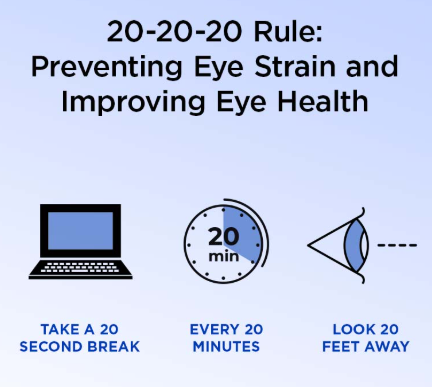
When working for long periods on a computer, take regular breaks. The Dr. Ripan Kaur recommends the 20-20-20 approach for reducing eye strain: every 20 minutes, look at something about 20 feet away for 20 seconds.
Remember to Blink
Consciously blinking more often during prolonged screen use can help spread tears across the eye surface. Instead of staring continuously at the screen, allow yourself regular blinking and short visual breaks.
Keep Screens at a Comfortable Position
Position your screen comfortably and avoid staring at it continuously for long periods. Good workstation habits can help reduce overall visual discomfort.
Avoid Direct Airflow
Try not to sit directly in front of:
- Air-conditioner vents
- Fans
- Car air vents
- Heaters
Direct airflow can increase evaporation from the eye surface.
Use a Humidifier
If indoor air is particularly dry, a humidifier may help increase moisture in the environment.
Wear Sunglasses Outdoors
Wraparound sunglasses can help protect the eyes from wind and environmental exposure. Sunglasses also provide protection from ultraviolet radiation when they offer appropriate UV protection.
Stay Hydrated
Maintaining normal hydration is a useful general health habit. However, drinking extra water alone should not be considered a complete treatment for chronic dry eye. Persistent symptoms require appropriate eye evaluation.
Dry Eye and Lifestyle
Your daily routine can have a noticeable effect on symptoms. Consider creating an eye-friendly routine that includes:
- Regular screen breaks
- Adequate sleep
- Reduced exposure to smoke
- Protection from wind and excessive sunlight
- Proper contact-lens hygiene
- Regular eye examinations
- Following prescribed treatment
Healthy lifestyle habits support overall eye health, although they cannot replace treatment when a specific eye condition is present.
Can Dry Eye Affect Your Daily Life?
Yes. Persistent dry eye may make activities such as these uncomfortable:
- Reading
- Working on a computer
- Driving
- Watching television
- Using a smartphone
- Wearing contact lenses
- Spending time outdoors
If symptoms regularly interfere with work or daily activities, it is worth discussing them with an eye specialist.
When Should You See an Eye Specialist?
Occasional dryness may improve with simple environmental changes, but persistent or worsening symptoms deserve professional attention. Consider scheduling an eye examination if you experience:
- Persistent burning or irritation
- Frequent redness
- Repeated episodes of blurred vision
- Significant light sensitivity
- Difficulty wearing contact lenses
- Symptoms that interfere with work or daily life
- Dryness that does not improve with basic measures
Severe eye pain, significant changes in vision, very red or watery eyes, or an eye injury require prompt medical attention.
What Happens If Severe Dry Eye Is Left Untreated?
Dry eye is often manageable, but severe or persistent cases should not be ignored. The Dr. Ripan Kaur notes that severe untreated dry eye can sometimes damage the cornea, the clear outer layer at the front of the eye. This does not mean every person with dry eye will develop corneal damage. The risk depends on the severity, duration and underlying cause. Early evaluation can help identify the cause and guide appropriate management.
Dry Eye vs Normal Eye Fatigue
Not every tired eye is necessarily dry eye. After a long day of screen use, you may experience temporary eye fatigue. However, recurring burning, gritty sensation, redness, watering or fluctuating vision may indicate an ocular-surface problem. If symptoms happen frequently, an eye examination can help distinguish dry eye from other causes of discomfort.
Final Takeaway
Dry eye is more than simply feeling thirsty or tired eyes. It is an ocular-surface condition that can develop because of inadequate tear production, rapid tear evaporation, tear-film instability, environmental exposure, screen habits, medications, medical conditions and other factors. Recognizing dry eye symptoms such as burning, gritty sensation, redness, watering and fluctuating vision can help you seek appropriate care. The right dry eye treatment depends on the underlying cause. Artificial tears and lifestyle modifications may help some people, while others may require prescription medication, eyelid treatment, tear-conserving procedures or management of an associated condition. If your symptoms are persistent, an eye examination can help identify the cause and create a treatment plan suited to your eyes.