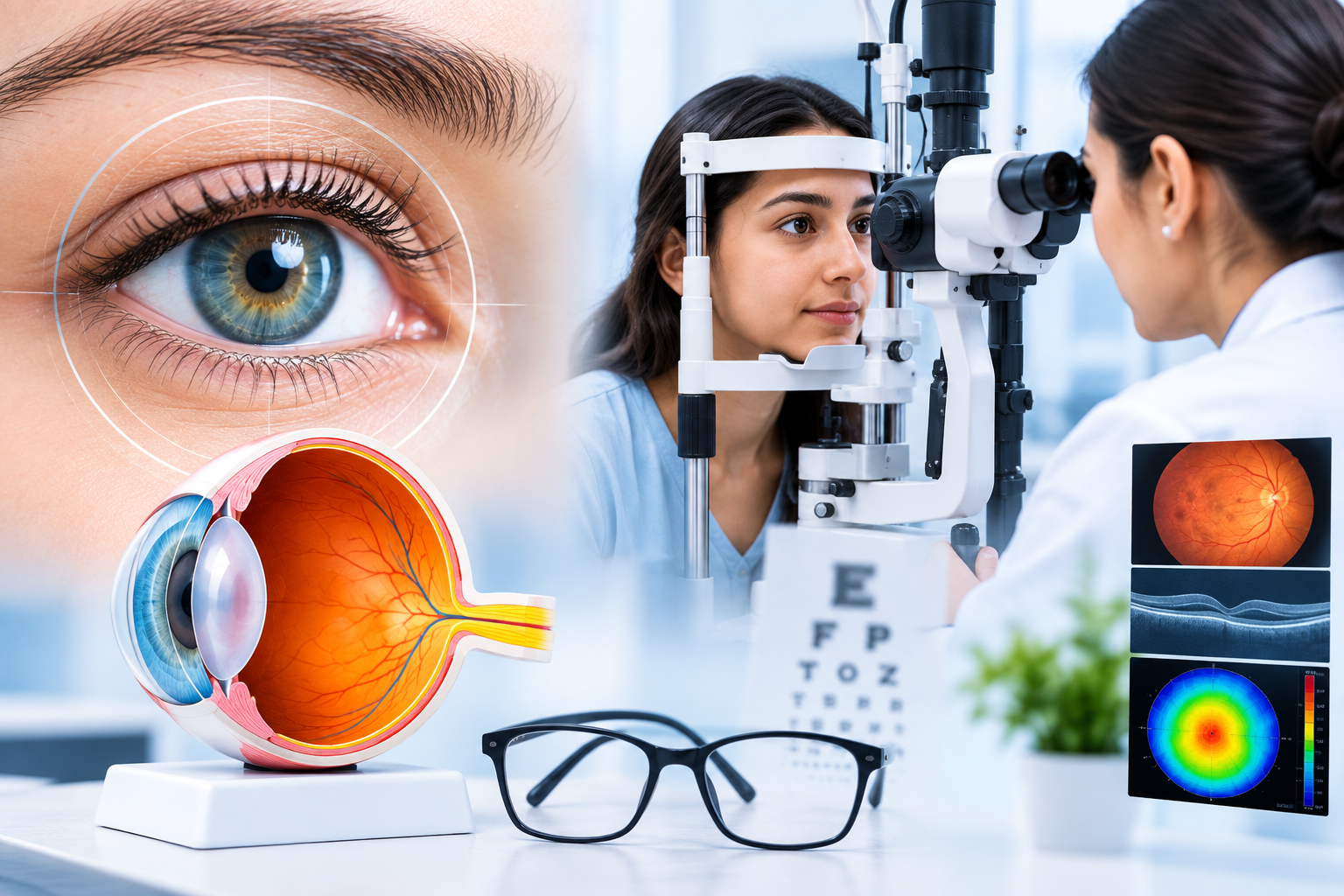
eye disease examination by Drripan kaur

Expert Care for Your Eye Health

Your eyes play an essential role in your daily life, and maintaining good eye health requires regular care, timely diagnosis, and the right treatment. Expert Care for Your Eye Health means providing personalized ophthalmic care based on your individual vision needs and eye condition.
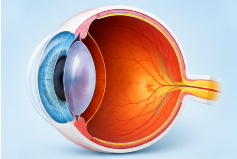
Understand common eye diseases and their symptoms, including cataracts, glaucoma, dry eyes, and refractive errors

Understanding Common Eye Diseases

Eye diseases can affect different parts of the eye and may cause symptoms such as blurred vision, eye redness, pain, dryness, difficulty seeing at night or changes in peripheral vision. Some conditions may develop gradually without noticeable symptoms, which is why regular eye examinations are important. A comprehensive eye examination can help your ophthalmologist identify changes in eye health and determine whether further testing or treatment is required.

Common Eye Diseases

Cataract Surgery

Clouding of the natural lens that may cause blurred or cloudy vision.

Dry Eye

A condition that can cause burning, irritation, redness and fluctuating vision.

Glaucoma

A group of eye diseases that can damage the optic nerve.

Refractive Surgery

Vision problems such as myopia, hyperopia, astigmatism and presbyopia.

Squint

A condition in which the eyes are not properly aligned.

LASIK

LASIK is a laser eye surgery that reshapes the cornea to correct certain vision problems.

Don't Ignore Changes in Your Vision

Some eye conditions may develop gradually and may not cause obvious symptoms in the early stages. If you notice a persistent change in your vision, an eye examination can help identify the possible cause.

πŸ‘οΈ Blurred Vision

πŸŒ™ Difficulty Seeing at Night

πŸ”΄ Red or Irritated Eyes

πŸ’§ Excessive Watering

⚑ Eye Pain or Sensitivity

✨ Flashes, Floaters or Vision Changes 

How Are Eye Diseases Diagnosed?

Vision Assessment

Checking how clearly you can see at different distances.

Eye Examination

Examining the structures of the eye using appropriate equipment.

Eye Pressure & Other Tests

Additional tests may be recommended depending on your symptoms and risk factors.

Personalized Evaluation

Your ophthalmologist reviews the findings and discusses the appropriate next steps.

Early Detection Can Help Protect Your Vision

Many eye diseases may not cause noticeable symptoms during their early stages. Regular eye examinations can help identify changes before they become more advanced and allow appropriate management to be discussed.

01. EARLY EVALUATION

02. Detect Eye Changes

03. Understand the Cause

04. Discuss Treatment Options

WHY CHOOSE DR. RIPAN KAUR KAMRA?

Dr. Ripan Kaur Kamra, ophthalmologist and eye specialist

Dr. Ripan Kaur Kamra

Dr. Ripan Kaur Kamra is a dedicated and skilled ophthalmologist with specialized expertise in cataract surgery and comprehensive eye care. With a strong clinical background and a patient-first approach, she is known for delivering safe, precise, and personalized eye treatment focused on long-term visual clarity and comfort.
Dr. Ripan Kaur completed her MBBS, followed by MS in Ophthalmology, gaining a solid foundation in both medical and surgical aspects of eye care. Her advanced training has equipped her with in-depth knowledge of diagnosing and managing a wide range of ocular conditions with accuracy and confidence.
As an experienced Phaco Surgeon, Dr. Ripan Kaur Kamra specializes in modern, minimally invasive cataract surgery, using advanced phacoemulsification techniques to achieve excellent visual outcomes and faster recovery for patients. She emphasizes precision, safety, and patient comfort throughout the surgical process. Dr. Ripan Kaur strongly believes in combining advanced technology with compassionate care. She focuses on early diagnosis, customized treatment planning, and clear patient communication, ensuring that every individual feels informed, reassured, and confident about their eye care journey.

Your Eyes Deserve Expert Care

Don’t ignore changes in your vision. A timely eye examination can help you understand your eye health and available treatment options.

Frequently Asked Questions

Q1.What are common eye diseases?
Ans: Common eye conditions include cataract, glaucoma, dry eye, refractive errors, diabetic retinopathy, AMD and several other conditions.Β 

Q2. Can eye diseases develop without symptoms?
Ans: Yes. Some conditions, including glaucoma and early diabetic retinopathy, may have few or no noticeable symptoms in their early stages.Β 

Q3.How are eye diseases diagnosed?
Ans: Depending on the condition, an ophthalmologist may perform a comprehensive eye examination and recommend additional tests.

Q4. When should I see an eye specialist?
Ans: Persistent vision changes, eye pain, redness, discomfort or other unusual symptoms should be evaluated by an eye-care professional.

Q5. Can regular eye examinations help detect eye disease early?
Ans: Yes. Comprehensive eye examinations can help identify certain eye diseases and changes in eye health, including conditions that may have few early symptoms.