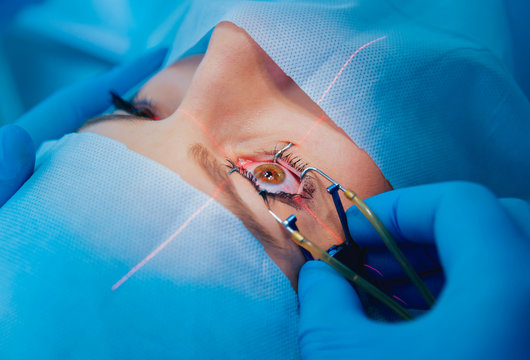
About Catract Surgery
Cataract surgery is a procedure in which the cloudy natural lens of the eye is removed and replaced with an artificial lens called an Intraocular Lens (IOL).
The goal of cataract surgery is to improve vision affected by the cataract and help patients perform their everyday activities more comfortably. Your eye specialist evaluates your eyes, overall eye health, visual needs and measurements of the eye before recommending the most suitable treatment and IOL option.
Signs You May Need a Cataract Evaluation
Blurry or cloudy vision
Difficulty seeing in dim light
Increased sensitivity to light
Halos around lights
Difficulty reading
Changes in Glasses Prescription
When Do You Need Cataract Surgery?
Cataract surgery is generally considered when a cataract begins to affect your vision and makes everyday activities more difficult. Problems such as blurred vision, difficulty seeing at night, glare around lights, or trouble reading and driving may indicate that it is time for a detailed eye evaluation.
The decision to have cataract surgery is not based only on the appearance or size of the cataract. Your eye health, level of vision, daily activities, lifestyle, and overall visual needs are considered before recommending surgery.
Cataract Diagnosis
Vision Assessment
Doctor Consultation
Treatment Decision
Cataract Evaluation & Eye Examination
Cataract surgery is a commonly performed procedure in which the cloudy natural lens of the eye is removed and replaced with an artificial intraocular lens (IOL). The procedure is planned according to your eye health, vision requirements and the type of lens recommended by your ophthalmologist.

Examination process
1. Visual acuity test
2. Refraction
3. Slit-lamp examination
4. Eye pressure measurement
5. Dilated eye examination
6. Biometry/IOL measurements when surgery is planned

How Is Cataract Surgery Performed?
Cataract surgery involves removing the cloudy natural lens of the eye and replacing it with an artificial intraocular lens (IOL). The procedure is carefully planned after a detailed eye examination and measurements to suit the patient’s individual eye health and visual needs.
Cataract Surgery Procedure
Eye Preparation
Before the procedure, the eye is examined and prepared for surgery. Eye drops are used to dilate the pupil and provide local anaesthesia. The surgical area is cleaned and the patient is positioned comfortably for the procedure.
Cloudy Lens Removal
During modern cataract surgery,phacoemulsification may be used to remove the cloudy natural lens. The lens is broken into small pieces using ultrasound energy and then gently removed from the eye.
Artificial Lens Placement
Once the cloudy lens has been removed, an intraocular lens (IOL) is carefully placed inside the eye. The appropriate IOL power and type are selected based on detailed pre-operative measurements and the patient's visual requirements.
Post-Surgery Monitoring
After the procedure, the eye is checked and the patient receives instructions about prescribed eye drops, precautions and follow-up visits. Vision may improve gradually as the eye recovers, and follow-up examinations help monitor the healing process.
Choosing the Right Intraocular Lens
During cataract surgery, the cloudy natural lens is replaced with an artificial intraocular lens (IOL). Different types of IOLs are available, and the appropriate option depends on your eye health, vision requirements, lifestyle and individual needs. Your ophthalmologist will evaluate your eyes and discuss the available options before recommending an IOL.
Types of Intraocular Lenses
1. Monofocal IOL
Monofocal IOLs are designed to provide clear vision at one primary distance, commonly distance vision. Glasses may still be needed for near or intermediate activities depending on the patient’s visual requirements.
2. Multifocal IOL
Multifocal IOLs are designed to provide vision at more than one distance. They may reduce dependence on glasses for some activities, although visual experiences can vary between individuals.
3. EDOF IOL
Extended Depth of Focus (EDOF) IOLs are designed to provide an extended range of vision, particularly for distance and intermediate activities. The visual outcome and suitability depend on individual eye characteristics and expectations.
4. Toric IOL
Toric IOLs are specifically designed to correct corneal astigmatism during cataract surgery. They may be considered when astigmatism is significant enough to benefit from this type of lens.
Cataract Care by Dr. Ripan Kaur Kamra

Dr. Ripan Kaur Kamra
Dr. Ripan Kaur Kamra is a dedicated and skilled ophthalmologist with specialized expertise in cataract surgery and comprehensive eye care. With a strong clinical background and a patient-first approach, she is known for delivering safe, precise, and personalized eye treatment focused on long-term visual clarity and comfort.
Dr. Ripan Kaur completed her MBBS, followed by MS in Ophthalmology, gaining a solid foundation in both medical and surgical aspects of eye care. Her advanced training has equipped her with in-depth knowledge of diagnosing and managing a wide range of ocular conditions with accuracy and confidence.
As an experienced Phaco Surgeon, Dr. Ripan Kaur Kamra specializes in modern, minimally invasive cataract surgery, using advanced phacoemulsification techniques to achieve excellent visual outcomes and faster recovery for patients. She emphasizes precision, safety, and patient comfort throughout the surgical process.
Dr. Ripan Kaur strongly believes in combining advanced technology with compassionate care. She focuses on early diagnosis, customized treatment planning, and clear patient communication, ensuring that every individual feels informed, reassured, and confident about their eye care journey.

Cataract Surgery Recovery
Recovery after cataract surgery is generally gradual, and the time required can vary from person to person depending on individual eye health, the type of procedure and other factors. Following your ophthalmologist’s instructions and attending scheduled follow-up appointments are important for monitoring healing.
First 24 Hours
Immediately after surgery, you may experience mild blurred vision, watering, light sensitivity or a gritty sensation. Use prescribed eye drops as directed and avoid rubbing or pressing on the operated eye. Rest and protect the eye according to your doctor’s instructions.
First Week
Vision may continue to improve during the first week. Continue using prescribed medications and follow the recommended precautions. Avoid activities that could put pressure on or expose the eye to dust, water or injury, unless your doctor advises otherwise.
Following Weeks
As the eye heals, vision may become clearer and more stable. Continue following your prescribed treatment and gradually return to normal activities according to your ophthalmologist’s advice. Avoid stopping eye drops or medications without medical guidance.
Follow-up Examination
Follow-up visits allow the ophthalmologist to check the healing process, assess vision and monitor the eye for any concerns. Your doctor will advise you about additional visits and when you can safely resume specific activities.
Cataract Surgery – Does & Don't
Does
Use prescribed eye drops
Attend follow-up visits
Protect your eyes as advised
Follow your doctor’s instructions
Don’t
Rub your eyes
Stop medication without medical advice
Ignore unusual symptoms
Resume strenuous activities without guidance
Other Eye Care Services
Refractive Surgery
Tired of glasses or contact lenses? Explore refractive surgery with advanced vision correction options such as LASIK, PRK and SMILE, designed to correct suitable refractive errors and help reduce dependence on glasses.
Glaucoma
Concerned about glaucoma or changes in your vision? Get expert glaucoma care with comprehensive eye evaluation, personalized treatment and ongoing monitoring to help protect your vision and manage eye pressure.
Squint
Concerned about crossed or misaligned eyes? Get expert squint care with detailed eye evaluation, personalized treatment and advanced management options to help improve eye alignment and visual function.
Frequently Asked Questions About Cataract Surgery
Q1. What is cataract surgery?
Ans: Cataract surgery is a procedure in which the cloudy natural lens of the eye is removed and replaced with a clear artificial lens called an Intraocular Lens (IOL) to improve vision.
Q2. When should cataract surgery be considered?
Ans: Cataract surgery may be considered when cataract-related vision changes start affecting daily activities such as reading, driving, working, or watching television.
Q3. Is cataract surgery painful?
Ans: Cataract surgery is usually performed with local anaesthesia to numb the eye, so patients generally do not feel significant pain during the procedure. Some mild discomfort, irritation or sensitivity may occur during the recovery period.
Q4. How long does cataract surgery take?
Ans: Cataract surgery is usually a short procedure and often takes around 15–30 minutes, although the total time at the clinic may be longer due to preparation and post-surgery observation.
Q5. How long does recovery take?
Ans: Most patients begin to notice improved vision within a few days, while complete healing can take several weeks. Recovery time may vary depending on individual eye health and the type of surgery performed.
Q6. Can cataract come back after surgery?
Ans: The original cataract does not come back after surgery. However, the capsule behind the artificial lens can sometimes become cloudy later, a condition called posterior capsule opacification (PCO), which can usually be treated with a laser procedure.
Q7. Which IOL is suitable for me?
Ans: The suitable IOL depends on your eye measurements, overall eye health, lifestyle and vision needs. Your ophthalmologist will evaluate these factors and recommend an IOL option that is appropriate for you.